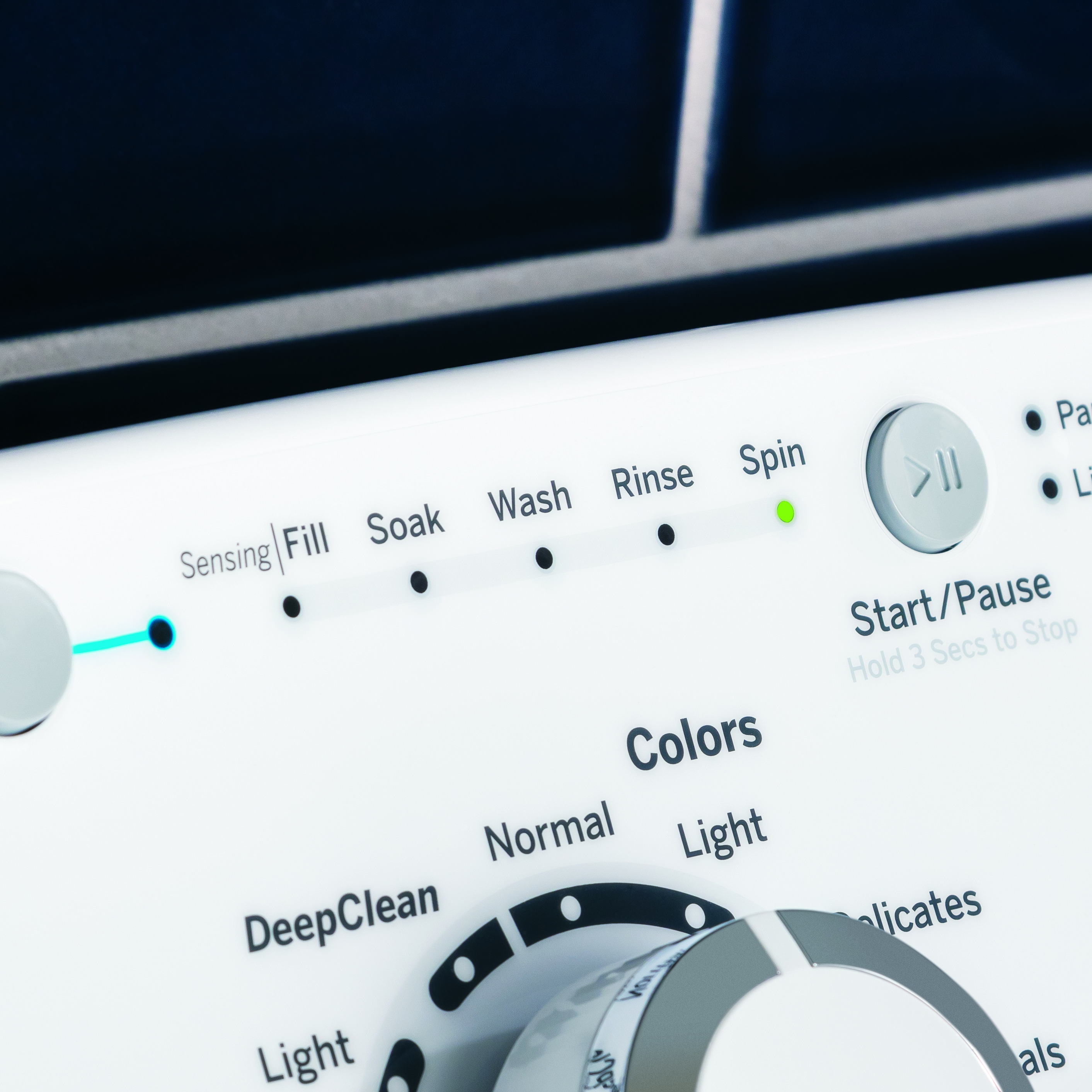
GE Washer Reset Codes: How to Clear & Fix
When your washing machine stops mid-cycle, flashes an unfamiliar combination of lights, or refuses to spin, the control board is trying to tell you something. Understanding ge washer reset codes is the quickest way to diagnose the problem without spending hundreds of dollars on a service call. Whether your machine has locked up due to an off-balance load, a clogged drain, or a momentary power surge, this guide will walk you through reading, resolving, and clearing those fault codes.

Understanding Error Codes vs. Reset Procedures
Modern GE washing machines don't have a single universal "reset code." Instead, the electronic control board monitors internal components—such as the motor, water inlet valves, pressure switches, and lid lock—and generates specific alphanumeric error codes when something fails. Resetting these codes involves entering the washer's diagnostic service mode, correcting the underlying physical fault, and clearing the control board memory so normal operation can resume.
Before jumping into hardware tests, keep in mind that many minor software glitches can be fixed with a simple power cycle or manual motor reset. However, if a critical component has failed, clearing the code will only buy you a few minutes; the machine will simply trigger the fault again as soon as the cycle reaches that operation.
How to Clear GE Washer Reset Codes in Diagnostic Mode
To view stored fault codes and properly clear them from your washer's memory, you must place the appliance into Service Mode. The exact sequence varies slightly depending on whether you have a top-load machine with a central cycle knob or a front-load model with a digital push-button console.
Clearing Codes on Modern GE Top-Load Washers
- Enter Service Mode: Turn the cycle selection knob to the 12 o'clock (top) position. Press and hold the Start/Pause button while rotating the cycle selector knob seven clicks counterclockwise, then release the button. If done correctly, all console LEDs will illuminate.
- Navigate to Fault Codes: Rotate the knob until the display reads 01 (or the status lights correspond to Fault Code Retrieval, depending on your model). Press Start to enter the test.
- Read the Stored Codes: Turn the knob one click to cycle through the saved error codes. Note every code that appears so you can address the root cause.
- Clear the Codes: While viewing the fault codes, press and hold the Start/Pause button for three to five seconds. The display should flash or show "00," indicating that all stored fault codes have been cleared from memory.
- Exit Service Mode: Turn the cycle knob to 00 and press Start, or unplug the washer for 30 seconds to return it to normal user mode.
Clearing Codes on GE Front-Load Washers
- Enter Service Mode: Close the washer door. Press and hold the Signal and Delay Start buttons simultaneously, then press Start/Pause. The control panel will display "t01" or illuminate the entire digital display.
- Navigate to Test t02: Rotate the cycle knob until the display reads t02 (Error Code Display). Press Start/Pause to view active and past error codes.
- Clear the Errors: After documenting the codes, press and hold the Start/Pause button for approximately three seconds. The display will show "E00," confirming the log is wiped.
- Exit Test Mode: Turn the knob to t01 and press Start/Pause, or press Power to exit.
Manual Reset Procedures (When Service Mode Fails)
If your control panel is completely unresponsive or locked in a cycle, you can attempt one of two physical reset methods before digging into technical repairs.
The 6-Lid-Lift Motor Reset (Top-Load Models)
GE HydroWave and standard top-load models feature an internal sensor on the inverter board that enters a safety lockout mode if the motor detects abnormal resistance or a dry agitator. To reset this mechanism:
Video: GE Washer Troubleshooting - How to Find Error Codes, and Reset a GE Washer

- Unplug the washer from the electrical outlet for exactly one minute.
- Plug the machine back in.
- Within 12 seconds of restoring power, fully open and close the washer lid six times. You must complete all six cycles within the 12-second window, opening the lid at least two inches each time.
- Wait 15 seconds. If the motor clicks or the status light shifts to idle, the motor inverter has successfully reset.
The Hard Electrical Reset
Electronic control boards rely on capacitors that store residual electricity. A simple power flicker can corrupt the control logic without a hardware breakdown. To perform a hard reset, unplug the washer (or trip the dedicated circuit breaker in your electrical panel) and leave it without power for at least 15 to 20 minutes. While it is unplugged, press and hold the Power and Start buttons for 10 seconds to drain lingering capacitor voltage. Restore power and run a short rinse-and-spin cycle to verify functionality.
Common GE Washer Error Codes and Solutions
If your machine displays a specific error code, resetting it will not solve the issue until the underlying mechanical or electrical problem is corrected. Below are the most frequent GE washer codes encountered in home repairs:
Water Fill and Drainage Faults
- E22 / E23 (Fill Timeout): The machine is taking too long to fill with water. Check that the hot and cold water supply valves behind the machine are fully open. Inspect the mesh screens inside the inlet hoses for mineral sediment or silt buildup.
- E42 / E43 (Drain Timeout): The washer failed to pump water out within the allotted time (usually 4 to 6 minutes). Check the drain hose for kinks or an improper installation depth in the standpipe. On front-loaders, open the lower access panel, unscrew the coin trap filter, and clean out lint, hairpins, and coins.
- E26 / E27 (Water Level Sensor Mismatch): The pressure transducer is reading contradictory water levels. Check the clear plastic pressure tube running from the side of the tub up to the main control board for pinholes, splits, or clogs.
Door and Lid Lock Faults
- E60 / E61 (Door Lock Switch): Common on front-loaders. The control board cannot verify whether the door is securely latched. Inspect the mechanical strike hook on the door for cracks. If the latch engages mechanically but the code remains, the internal switch solenoid has likely burnt out.
- Lid Lock Flashing (Top Loaders): On newer top-loaders, a flashing lid lock light indicates that the safety switch was triggered during a cycle or failed to lock before the spin phase. Disconnect power, check the strike alignment, and ensure clothes are not caught between the tub and the front shroud.
Motor, Drive, and Spin Faults
- E30 / E31 (Drain Pump Motor Overcurrent): Debris has jammed the drain pump impeller, forcing the motor to draw dangerous amperage. Unplug the unit immediately and inspect the pump housing.
- E48 / E49 (Motor Inverter Failure): The washer detected that the main drive motor is either stalled, overheating, or receiving improper voltage from the inverter board. Check the drive belt underneath the tub to ensure it hasn't snapped or slipped off the pulleys.
- E70 / E71 (Keypad or Control Board Jam): One of the touch switches on the user interface is stuck in the depressed position. Gently wipe down the console with rubbing alcohol to clear sticky residue, or power-cycle the unit to test if the board is failing internally.
What to Do If Codes Keep Returning
If you have followed the diagnostic clearance steps and resolved the physical symptoms (like cleaning the filter or leveling the machine), but the code reappears immediately on the next cycle, you are likely dealing with one of two persistent issues:
1. Failing Control Board: Over time, solder joints on the main printed circuit board (PCB) can crack from the constant vibration of high-speed spin cycles. If the board misreads sensor signals, it will throw phantom codes repeatedly.
2. Wiring Harness Wear: The internal wiring harnesses that run between the tub and the cabinet sustain constant flexing. A broken wire inside the insulation can create an intermittent open circuit that trips error codes whenever the drum moves.
By using the diagnostic procedures outlined above, you can pinpoint the exact system responsible, clear the software memory, and decide whether a simple DIY part replacement or professional intervention is needed.