GE XL44 Range Guide: Troubleshooting & Parts
If you own an older kitchen, chances are you have a dependable appliance like the GE XL44 range. Introduced decades ago by General Electric, this gas stove series earned a reputation for durability, heavy-duty build quality, and straightforward cooking performance. Even though newer smart appliances flood the market, many homeowners prefer to repair and maintain their trusty XL44 rather than replace it.

This guide covers everything you need to know about your GE XL44 gas range, from common troubleshooting steps to regular maintenance and finding replacement parts.
Understanding the GE XL44 Range Design
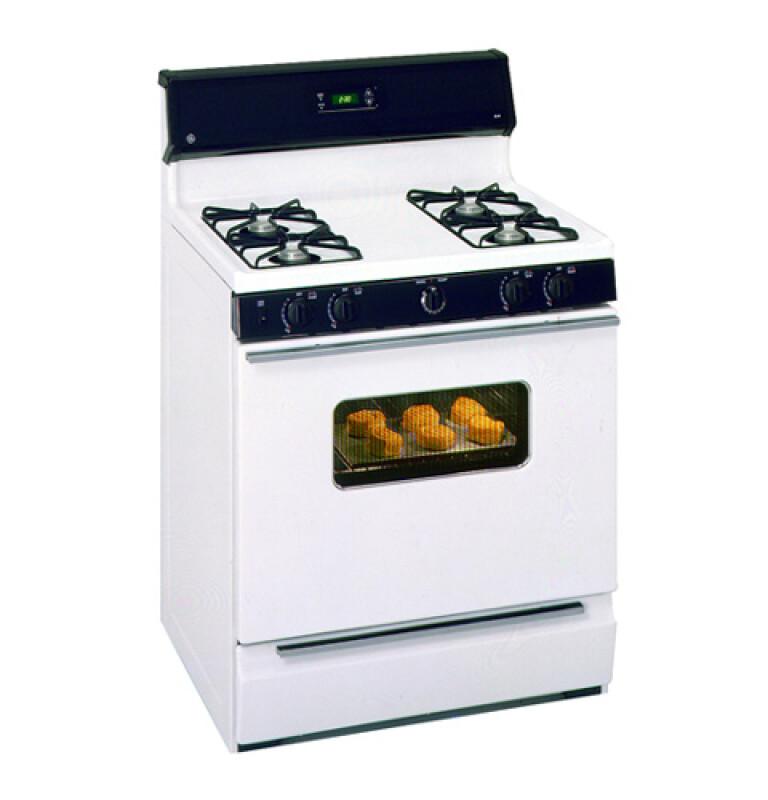
The GE XL44 is typically a freestanding gas range featuring sealed burners, continuous cast-iron or porcelain grates, a lower broiler compartment or storage drawer, and an electronic control panel for the oven. Over its production run, GE manufactured several variations—including standard models and self-cleaning variants—but the core mechanical and electrical architecture remained largely consistent.
Because these stoves were built to last, minor components like igniters, valves, and thermostats occasionally wear out after years of heavy use. Fortunately, most of these parts are readily available and simple to replace with basic DIY skills.
Common GE XL44 Range Issues and Troubleshooting
When a vintage appliance stops working properly, it usually points to one of a few common culprits. Here is how to diagnose and fix the most frequent problems associated with the GE XL44.
1. Oven Fails to Heat or Glows Without Lighting
If your oven turns on but fails to get hot, the culprit is almost always the oven igniter. Over time, the glow bar igniter loses its ability to draw enough electrical current to open the safety gas valve.
- Symptom: The igniter glows orange, but the gas burner underneath does not ignite.
- Solution: Unplug the range and replace the igniter assembly. This is a standard plug-and-play repair that requires only a screwdriver and a nut driver.
2. Surface Burners Click Constantly
Video: How To Turn On GE XL44 Oven | How To Turn On General Electric XL44 Oven

A clicking sound coming from your stove top usually means moisture has gotten into the burner switch or the spark module, or a burner cap is slightly out of place.
- Symptom: The electronic igniter continues to spark even after the burner is lit.
- Solution: Ensure all burner caps and heads are dry and seated correctly. If the clicking persists, clean around the burner switch with a dry brush or compressed air to remove food debris.
3. Inaccurate Oven Temperatures
If your cakes are burning or your roasts are undercooked, your oven thermostat or temperature sensor may need calibration or replacement.
- Solution: First, check the calibration settings in your user manual. If the oven consistently runs 30 to 50 degrees too hot or cold, the temperature sensor probe inside the oven cavity may need to be replaced.
Routine Maintenance Tips
Proper care extends the lifespan of any kitchen appliance. Follow these maintenance tips to keep your GE XL44 operating safely and efficiently:
- Clean Burner Heads Regularly: Clogged burner ports lead to uneven flames. Soak removable burner heads in warm, soapy water and use a soft wire brush to clear out stubborn grease.
- Wipe Spills Immediately: Sugary spills can etch porcelain cooktops if left to bake on repeatedly. Clean minor messes once the stove has cooled completely.
- Inspect the Oven Door Gasket: A worn-out fiberglass door gasket lets heat escape, forcing the oven to work harder and increasing your energy bills. Replace the gasket if it is brittle, torn, or flattened.
- Check Gas Connections: Periodically ensure that the flexible gas line behind the range is not pinched or resting against hot metal components.
Sourcing Replacement Parts for Your Stove
One of the great advantages of owning a classic GE appliance is the widespread availability of aftermarket and OEM (Original Equipment Manufacturer) parts. Whether you need a new knob, a bake igniter, or a burner valve, you can easily find them online by referencing your specific model number.
Your model number is typically located on a metal rating plate affixed to the frame behind the storage drawer or along the outer edge of the oven cavity. Always disconnect power and gas to the range before attempting any major component replacement.
Final Thoughts
The GE XL44 range is a testament to an era when kitchen appliances were built for the long haul. With routine cleaning, timely minor repairs, and quality replacement parts, this reliable gas range can continue to serve your household for many years to come.