Generac 2500 PSI Pressure Washer Nightmare Solved
Facing a Generac 2500 PSI Pressure Washer Nightmare?

Few things are as frustrating as pulling out a pressure washer on a weekend DIY project, only to find it sputtering, surging, or delivering a weak, useless dribble instead of the high-powered stream you paid for. If you are currently living through a Generac 2500 psi pressure washer nightmare, you are far from alone. Homeowners and contractors alike have praised these compact, gas-powered units for their reliability—until a sudden, mysterious drop in performance brings their cleaning projects to a screeching halt.
You might have already checked the obvious culprits. You cleaned the garden hose inlet screen, fresh fuel was added to the tank, and the spark plug looks fine. Yet, the machine either refuses to build pressure or drops to an idle choke whenever you pull the trigger. Before you throw your hands up in despair and list the machine on a marketplace site for parts, take a breath. The issue usually isn't a blown engine or a destroyed pump. In most cases, a single, overlooked component is to blame.
The Anatomy of the Generac 2500 PSI Unit
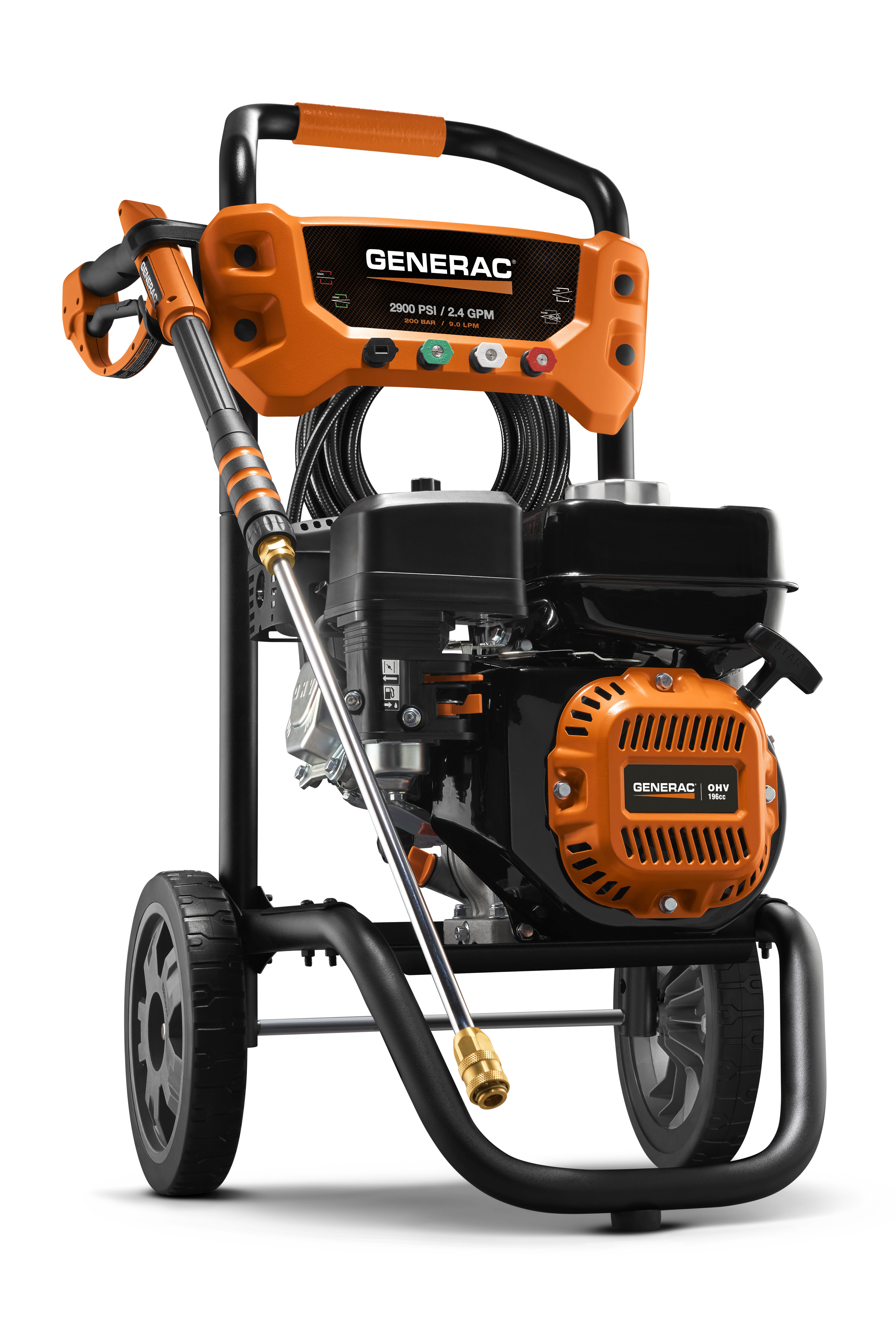
To understand what goes wrong, it helps to look at how Generac builds these mid-range residential units. Typically powered by an overhead valve (OHV) engine paired with an axial cam pump, the Generac 2500 PSI pressure washer is designed to balance portability with heavy-duty cleaning power. It generates enough force to strip paint, clean concrete, and wash siding without requiring a massive, commercial-grade frame.
However, this tight integration of engine and pump relies on a delicate balance of water flow, thermal regulation, and mechanical pressure regulation. When one link in this chain fails, the entire system cascades into a frustrating operational loop. While carburetors get a lot of bad press due to modern ethanol-blended fuels, the real root of this specific nightmare often lies hidden downstream from the engine entirely.
The ONE Thing That Went Wrong
After tearing down dozens of these units, tracking forum threads, and talking to small engine repair specialists, the culprit behind the classic Generac 2500 psi pressure washer nightmare becomes clear. It isn't a cracked pump housing or a seized engine block. The single biggest failure point is a stuck, jammed, or debris-fouled unloader valve.
The unloader valve is the unsung hero of your pressure washer. Its job is simple yet critical: when you release the spray gun trigger, it diverts water in a continuous loop within the pump so the system doesn't overheat or build dangerously high pressure. When you pull the trigger again, the unloader valve shifts to let water rush out through the high-pressure hose.
Over time, minerals from hard water, tiny particles of sediment, or corrosion from sitting idle cause the unloader valve piston to stick inside its housing. When it gets stuck in the bypass position, your pump can't build pressure. When it gets stuck closed, it causes dangerous pressure spikes or triggers the thermal relief valve to dump hot water all over your driveway.
Why the Unloader Valve Fails
- Mineral Buildup: Hard water leaves behind calcium and lime deposits inside the narrow channels of the valve assembly.
- Debris and Rust: Tiny flakes of rust from older garden hoses or municipal water supplies bypass the inlet filter and wedge themselves against the unloader O-rings.
- Inactivity: Letting the pressure washer sit for months with stagnant water inside causes internal components to gum up and stick tight.
How to Diagnose the Unloader Valve Issue
Before you start buying replacement parts, you need to confirm that the unloader valve is indeed the source of your headache. Symptoms of a bad or stuck unloader valve include:

- The engine runs smoothly, but the water coming out of the wand has zero high-pressure force.
- The pressure fluctuates wildly—surging from high to low every few seconds while holding the trigger open.
- Water leaks continuously out of the bottom of the pump or the thermal relief valve without the trigger being pulled.
If your machine exhibits these behaviors, your carburetor is likely fine. Your focus needs to shift entirely to the brass pump manifold where the unloader valve resides.
Step-by-Step Fix to End the Nightmare
Fixing a stuck unloader valve requires basic hand tools, a clean workspace, and a bit of patience. You do not need to be a certified mechanic to get your Generac pressure washer back in action.
Tools Needed
- Metric or SAE wrench set
- Allen wrench (hex key) set
- Needle-nose pliers
- Rags and a can of penetrating oil (like WD-40)
- Replacement unloader kit (if O-rings or the piston are worn out)
The Repair Process
First, ensure the pressure washer is completely turned off, spark plug disconnected, and the water supply is shut off and detached. Pull the trigger on the spray gun one last time to relieve any residual system pressure.
Next, locate the unloader valve housing on your pump. It is usually capped with a large brass plug or knob near where the high-pressure hose connects. Using your wrenches, carefully unscrew the top plug or cap of the unloader valve. Pay close attention to the order in which the parts come out—take photos with your smartphone as you disassemble it.
Pull out the spring, piston, and associated check valves using your fingers or needle-nose pliers. Inspect the components closely. Look for white crusty mineral deposits, scored brass surfaces, or flattened rubber O-rings. Clean all the parts thoroughly using a wire brush, commercial cleaner, and water. If the O-rings are cracked or flattened, do not reuse them; install a fresh unloader repair kit, which typically costs less than twenty dollars.
Before reassembly, apply a small amount of waterproof plumber's grease to the new O-rings and the outside of the piston. Slide the components back into the valve housing in the exact reverse order of removal. Tighten the brass cap securely, but avoid over-tightening, as brass fittings can strip easily under excessive torque.
Preventing Future Pressure Washer Failures
Once you wake up from this mechanical nightmare, you'll want to take a few preventative steps to ensure it never happens again:
By understanding how the unloader valve operates and addressing it at the first sign of trouble, you can keep your Generac 2500 PSI pressure washer running smoothly for years to come.