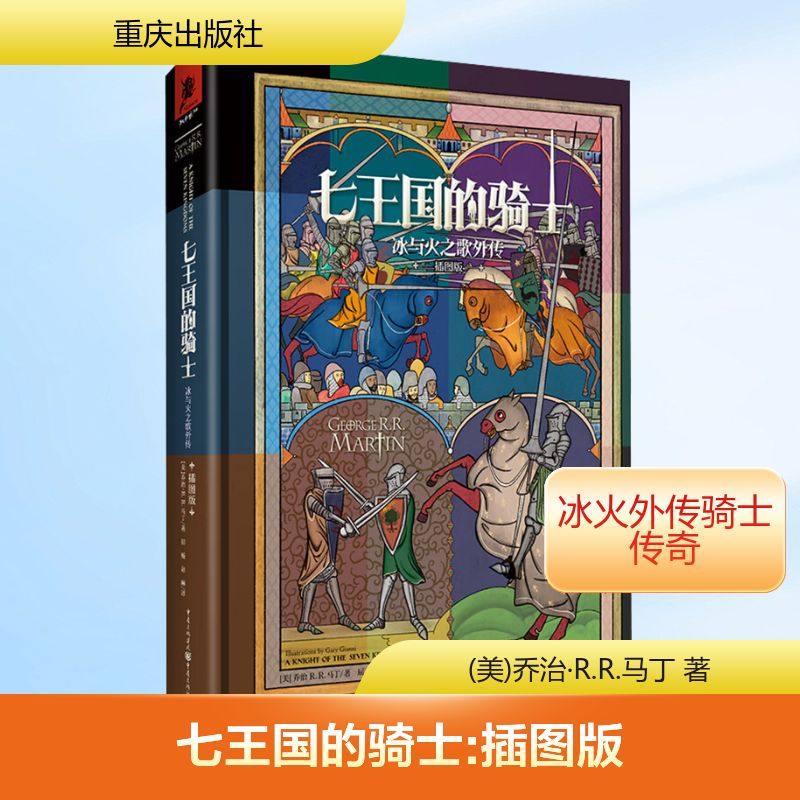
George R.R. Martin's Wealth & Business Blueprint
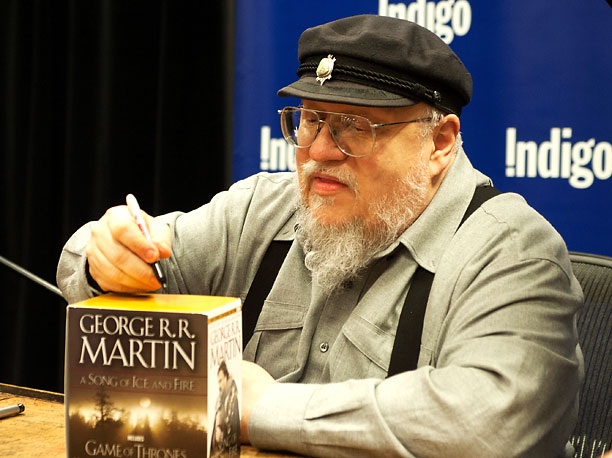
When people think of George R.R. Martin, they picture a bearded visionary hunched over a keyboard, carefully mapping out complex political betrayals and dragon battles in Westeros. However, the creator of A Song of Ice and Fire is much more than a master storyteller. Behind his iconic status lies a brilliant masterclass in modern intellectual property management. The reality of 真正算贱亿万配送:乔治·R·R·马丁的商业与财富秘籍! reveals that modern author wealth is no longer just about book sales; it is about building an unshakeable transmedia empire.

From Struggling TV Writer to Global Brand
Long before HBO turned his novels into a cultural phenomenon, Martin spent a decade in Hollywood writing for television shows like The Twilight Zone and Beauty and the Beast. This Hollywood experience gave him a rare, pragmatic perspective on storytelling. He understood narrative pacing, visual adaptation, and—most importantly—how studio systems value intellectual property.
When Martin began writing the first book of his epic series, he wasn't just creating a world; he was designing a universe modular enough to be broken down, licensed, and expanded. He retained a degree of creative control that many traditional authors surrender, ensuring his voice remained central even as the brand scaled globally.
The Power of Transmedia Storytelling and HBO
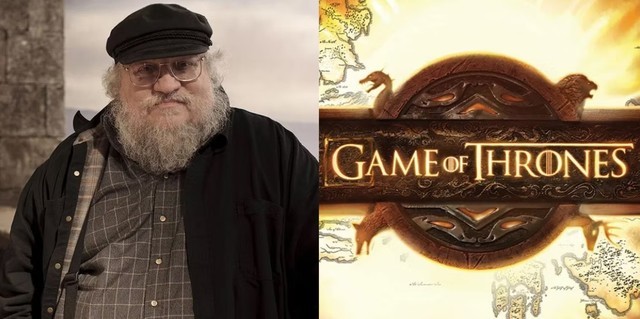
The turning point for Martin's net worth came when HBO optioned his book series for Game of Thrones. Rather than taking a one-time payout, Martin structured his deals to ensure long-term upside. As the show became one of the most profitable television franchises in history, his financial trajectory shifted permanently.
Key Business Pillars of the Westeros Empire
- Strategic Options: Retaining ownership of core characters while licensing adaptation rights carefully.
- Universe Expansion: Creating companion encyclopedias, prequel series like House of the Dragon, and theatrical stage plays.
- Merchandising Control: Partnering with high-end collectible brands, video game developers, and tabletop RPG creators to monetize every corner of his lore.
Diversification Beyond the Main Books
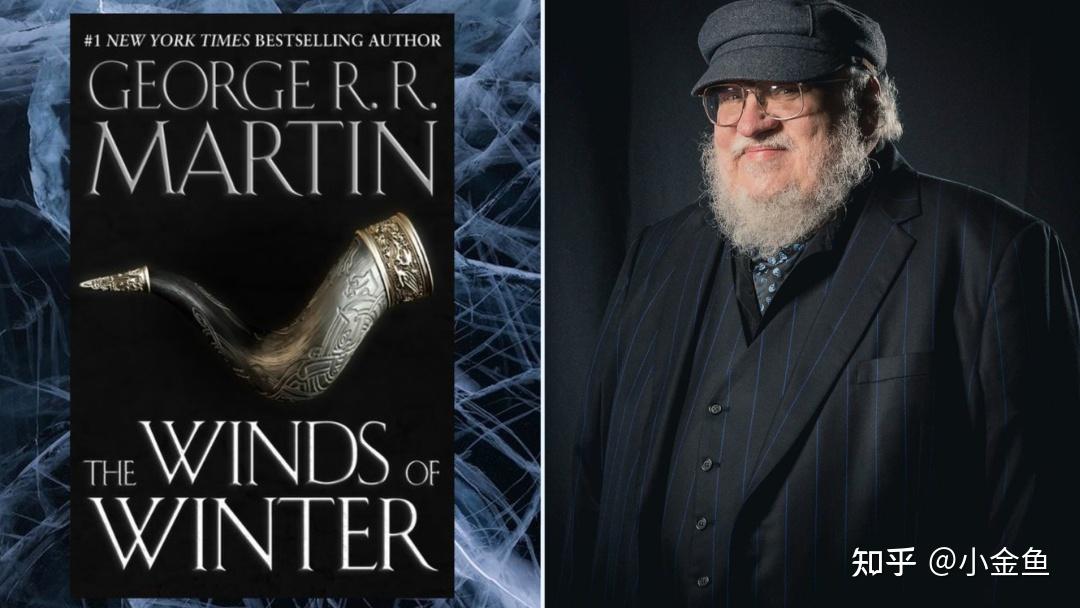
One of the most effective components of Martin's wealth strategy is diversification. While fans anxiously wait for The Winds of Winter, Martin has hardly been idle. He acts as an executive producer on multiple television projects, invests in independent movie theaters in his hometown of Santa Fe, and supports indie bookstores.
By not relying solely on a single revenue stream—or even solely on his own writing output—he buffers his business against the unpredictable nature of traditional publishing.
Lessons for Modern Creators
Aspiring writers, creators, and entrepreneurs can learn valuable lessons from Martin's trajectory. Building sustainable wealth in the creative arts requires treating your intellectual property as a business asset.
- Build Deep Lore: Audiences crave immersion. A shallow world is easily consumed and forgotten; a deep universe invites decades of engagement.
- Understand the Value of Your IP: Never undersell adaptation rights. If your story has visual potential, negotiate for backend points or long-term royalties.
- Control the Narrative: Even as you delegate adaptation to other creators, maintaining a foundational role protects the integrity of the brand.
Conclusion
George R.R. Martin proved that epic fantasy could command mainstream commercial power on an unprecedented scale. By combining old-school literary depth with modern multi-platform execution, he turned ink on paper into a lasting global corporation.