Gestation Calculator Dogs: Predict Due Dates
Welcoming a new litter of puppies is an exciting milestone for any breeder or pet parent, but timing is everything. Using a gestation calculator dogs tool or formula allows you to pinpoint the expected delivery date, prepare your whelping supplies, and schedule vital veterinary appointments. Knowing where your dam is in her pregnancy cycle ensures both mother and pups receive the best possible care from conception to delivery.

How a Gestation Calculator for Dogs Works
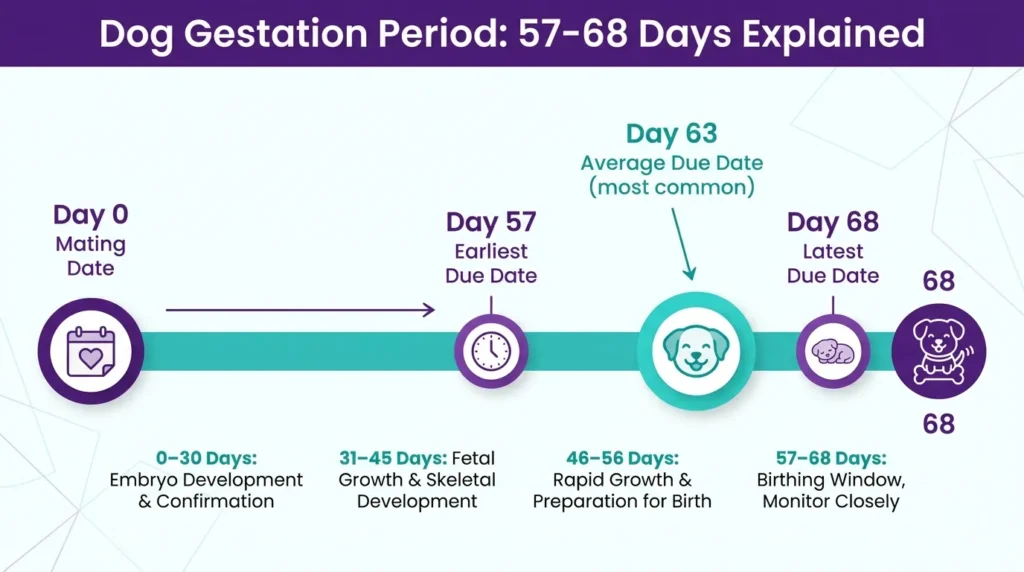
The average gestation period for canines is approximately 63 days (about nine weeks), counted from the date of ovulation. However, a normal, full-term canine pregnancy can span anywhere from 58 to 68 days when calculated from the date of breeding.
Why does this variation exist? Canine biology handles conception differently than humans. Female dogs can remain receptive to males for several days, and canine sperm can survive in the female reproductive tract for up to five to seven days. Meanwhile, the released ova (eggs) take roughly 48 hours to mature before they can be fertilized. If a dog breeds early in her heat cycle, fertilization may not happen until days later.
The Basic Calculation Formula
If you know the exact date of mating, you can calculate the expected whelping date using this straightforward formula:
Estimated Due Date = Breeding Date + 63 Days
For example, if successful mating occurred on March 1st, adding 63 days places the expected due date on May 3rd. Keep in mind that whelping can safely occur anywhere between Day 58 (April 28th) and Day 68 (May 8th). If multiple matings took place over a week, use the median mating date as your baseline unless you tracked ovulation using progesterone tests.
Week-by-Week Canine Gestation Timeline
Dog gestation progresses rapidly compared to human pregnancy. Breaking the 63 days into phases helps you monitor physical changes and support your dam's nutritional needs.
Weeks 1 to 3: Conception and Implantation
- Days 0–7: Fertilization occurs in the oviducts. The dam will show little to no physical change, and normal diet and exercise routines should continue.
- Days 8–14: The fertilized blastocysts travel into the uterine horns. Maintain a calm environment and avoid any medications or vaccines unless cleared by your veterinarian.
- Days 15–21: Around Day 16 to 18, the embryos implant into the uterine wall. Some dams experience mild morning sickness, transient lethargy, or decreased appetite around the third week.
Weeks 4 to 6: Fetal Development and Visible Changes
- Days 22–28: Vital organs begin to develop. By Day 28, a veterinarian can often detect fetal swellings through gentle abdominal palpation.
- Days 29–35: Facial features, toes, and skeletons begin to take shape. Ultrasound scans can detect heartbeats and confirm viable embryos during this window.
- Days 36–42: The dam enters the second half of pregnancy. Her weight will begin to increase, her nipples will enlarge and darken, and you should gradually transition her to a nutrient-dense, high-calorie puppy formula food.
Weeks 7 to 9: Preparation for Whelping
- Days 43–49: The puppies' skeletons begin to calcify (harden), meaning they will soon be visible on an X-ray. The mother's abdomen becomes visibly distended.
- Days 50–57: Puppies are fully formed and actively moving. You may see small ripples along the dam's flanks when she is resting quietly.
- Days 58–63+: The final countdown. Mammary glands fill with colostrum, the dam may exhibit nesting behavior, and labor can begin at any time.
Clinical Methods to Confirm Due Dates
While an online gestation calculator dogs guide provides a practical estimate, clinical diagnostics give you certainty, puppy counts, and clear timelines.
Video: How to Do Ultrasound on Pregnant Dogs: Quick Guide to Scanning & Measure Puppy Gestational Age!
1. Progesterone Testing

Measuring the female's serum progesterone levels before breeding is the single most accurate way to predict due dates. Ovulation occurs when progesterone reaches approximately 5.0 ng/mL. Delivery almost always occurs 63 days (±24 hours) after the day of ovulation, eliminating the guesswork of long sperm viability.
2. Ultrasound Imaging
An ultrasound performed between Days 25 and 35 can confirm pregnancy by visualizing gestational sacs and beating fetal hearts. While ultrasound is excellent for confirming viability, it is notoriously unreliable for counting total litter size.
3. Relaxin Blood Tests
Relaxin is a hormone produced almost exclusively by the canine placenta. A simple blood test can detect relaxin starting around Day 25 to 30, confirming pregnancy if an ultrasound is unavailable.
4. Abdominal Radiographs (X-rays)
Taking an abdominal X-ray between Days 50 and 55 is considered standard breeding practice. Because fetal bones have calcified by this stage, the vet can count skulls and spines accurately. Knowing whether your dog is carrying two puppies or ten is critical for recognizing stalled labor during delivery.
Physical Signs That Delivery Is Approaching
As your dog approaches Day 58 to 63, watch for specific behavioral and physiological markers that indicate labor is imminent:
- Temperature Drop: This is the most reliable predictor of labor. Take your dog's rectal temperature twice daily starting around Day 56. Her normal baseline sits between 100.5°F and 102.5°F (38.0°C–39.2°C). Approximately 12 to 24 hours before active labor begins, her temperature will drop below 99.0°F (37.2°C) due to a sudden drop in progesterone.
- Nesting Behavior: 24 to 48 hours before whelping, the dam will seek out quiet, sheltered areas, rearrange bedding, and scratch at carpets or boxes.
- Appetite Loss: Many females refuse food 12 to 24 hours before first-stage labor begins.
- Restlessness and Shivering: Pacing, mild panting, whining, and intermittent shivering are classic signs of early contractions dilating the cervix.
Preparing the Whelping Area
Set up the whelping box at least one to two weeks before the estimated due date so the dam can acclimate to it and view it as a safe space. Choose a quiet, low-traffic room free from drafts.
Essential supplies to have on hand include:
- A clean whelping box with low sides for access and pig rails to prevent crushing
- Washable bedding or veterinary fleece
- A safe supplemental heat source (such as a heating pad with fleece cover, kept on one side only)
- Digital thermometer, clean towels, and unwaxed dental floss for umbilical cords
- Bulb syringe to gently clear airway secretions from newborn noses and mouths
- Antiseptic solution (like dilute Betadine) for cord care
- Your primary veterinarian's and the nearest emergency animal hospital's phone numbers
When to Seek Veterinary Assistance
Most canine deliveries proceed naturally, but dystocia (difficulty delivering) can be life-threatening if left unaddressed. Contact your veterinarian immediately if you observe any of the following:
- Overdue Gestation: It has been more than 65 days since the last breeding (or more than 63 days past verified ovulation) with no signs of labor.
- Strong, Active Contractions Without Results: The dam has been straining forcefully for 30 to 45 minutes without producing a puppy.
- Prolonged Weak Straining: Weak, intermittent contractions for more than two hours without a pup arriving.
- Abnormal Discharge: Dark green or black discharge appears before the first puppy is delivered (this indicates premature placental separation).
- Exhaustion or Distress: The dam shows signs of severe lethargy, collapse, or extreme pain.
By pairing a reliable canine gestation calculation with careful monitoring and proactive veterinary care, you can navigate your dog's pregnancy with confidence and ensure a safe arrival for the entire litter.