Get the Shocking Fact About the Richest Person Who’s Cleared $400 Billion!
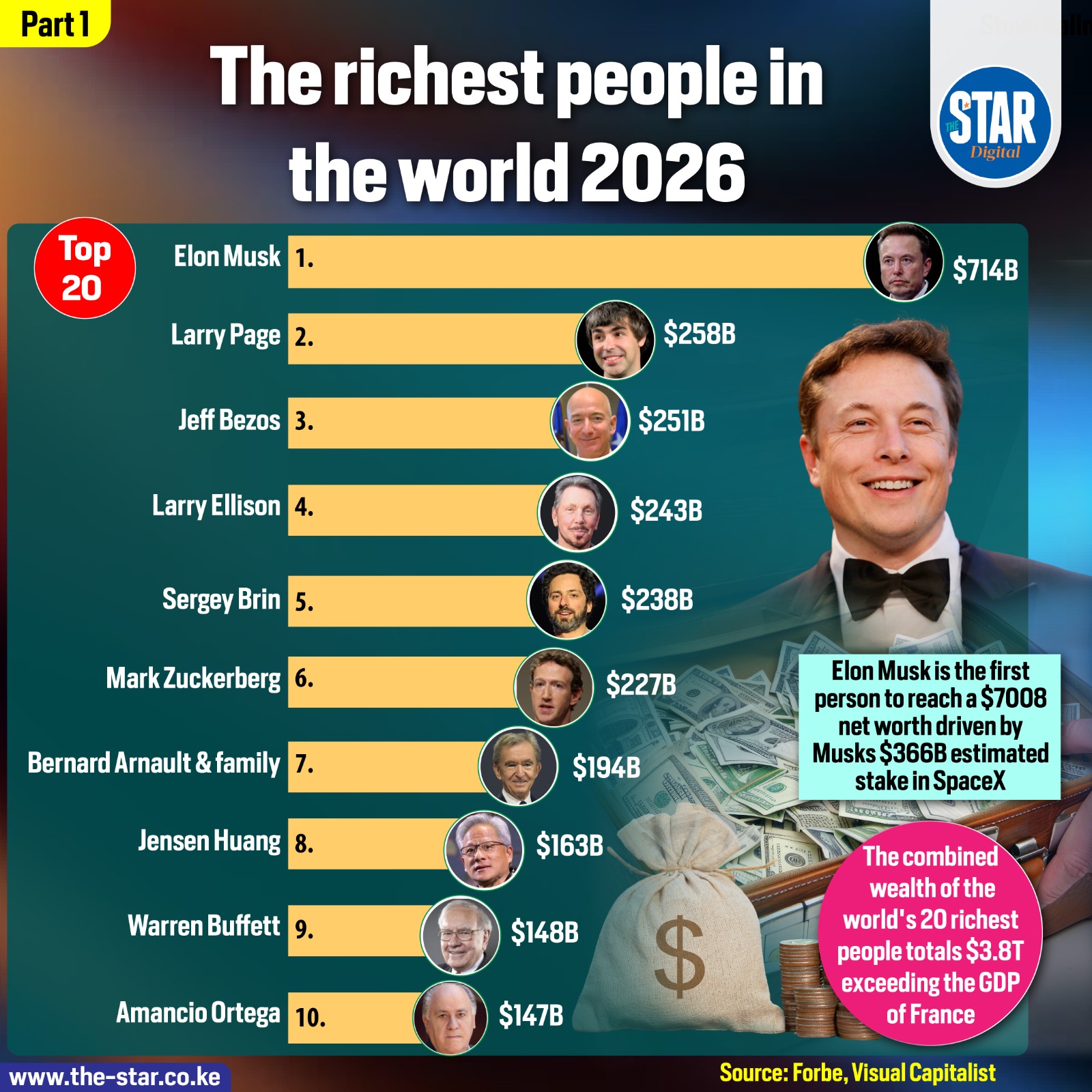
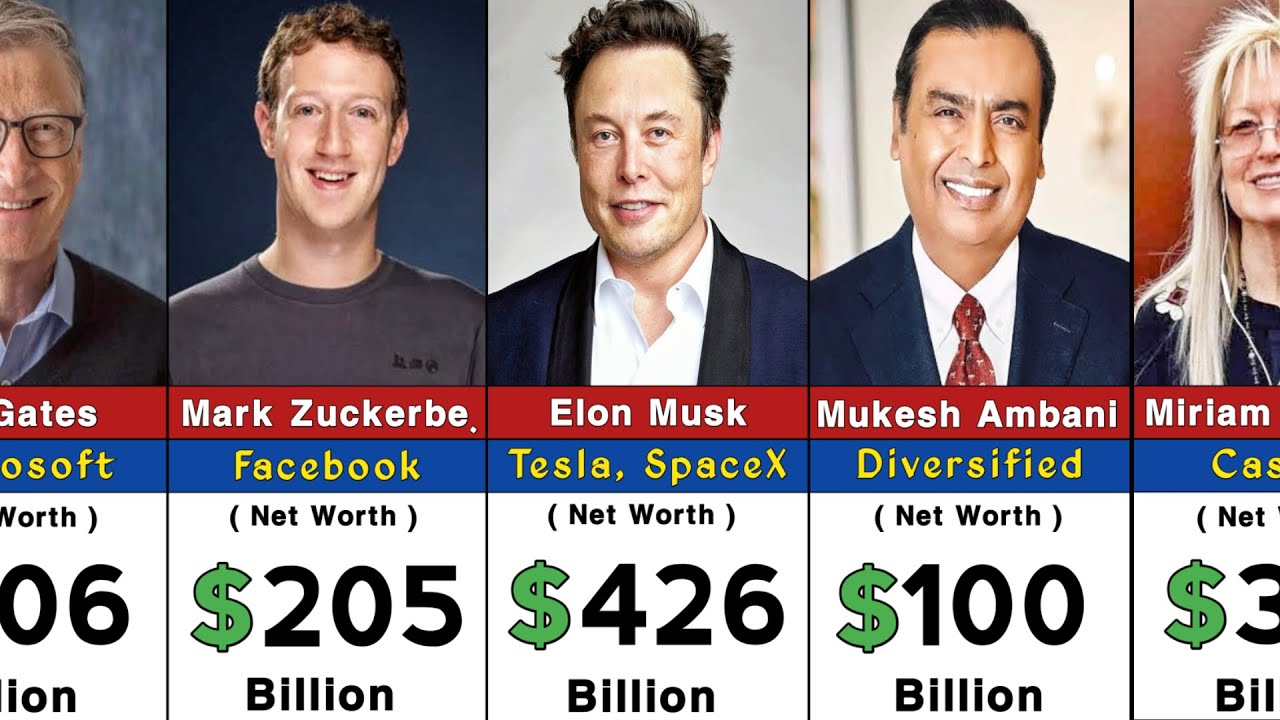
In late 2024, the financial world crossed an unprecedented threshold when Elon Musk’s personal fortune climbed into uncharted territory. If you want to get the shocking fact about the richest person who’s cleared $400 billion!, you have to look past the surface-level headlines and examine the strange mechanics of modern corporate wealth. Musk did not just break a personal record; he fundamentally redefined what individual financial accumulation looks like in the twenty-first century.
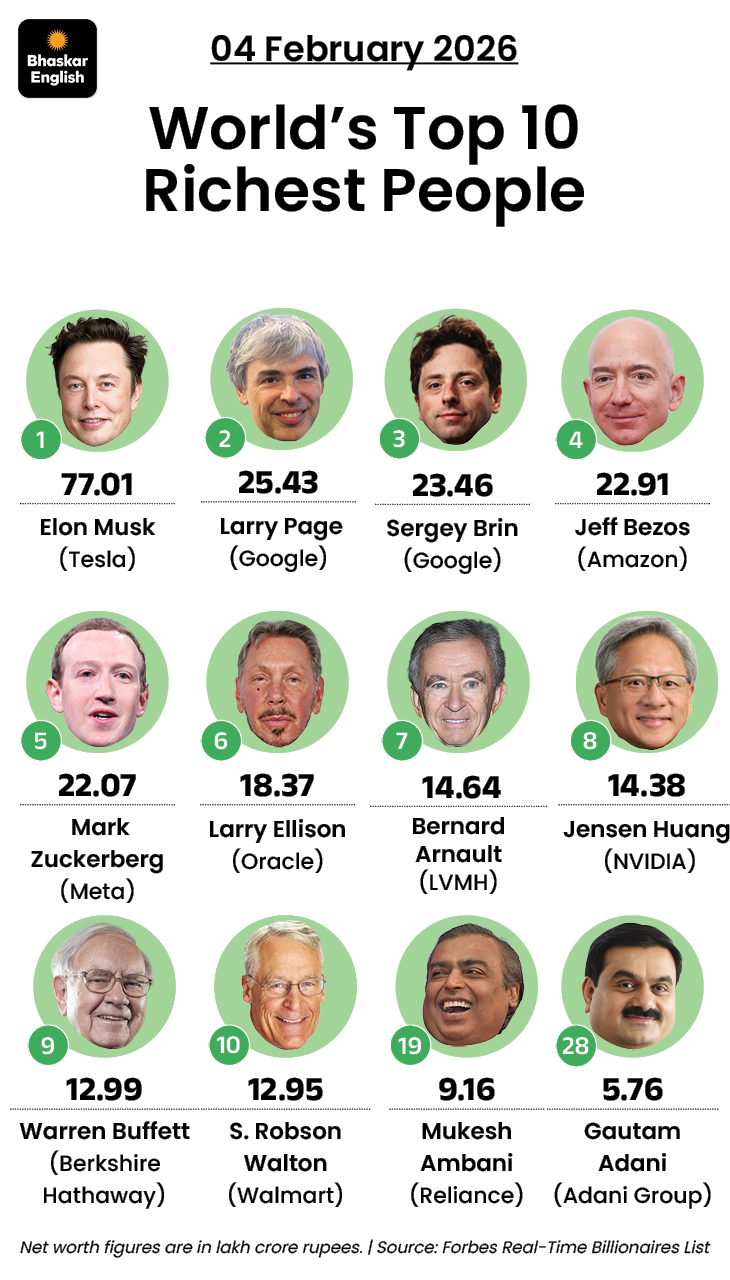
Surpassing $400 billion places an individual beyond the gross domestic product of most sovereign nations. Yet, beneath the eye-popping figures lies a financial reality that surprises most casual observers—one defined by intense equity concentration, massive paper volatility, and remarkably little cash.
How the $400 Billion Threshold Was Broken
Musk’s journey past the $400 billion mark was powered by a convergence of market forces, aggressive corporate valuation spikes, and high-stakes investor sentiment in late 2024. While Musk has consistently ranked among the world’s wealthiest individuals since 2021, three distinct catalysts propelled him across this historic barrier:
- The Post-Election Tesla Surge: Following political shifts in late 2024, shares of Tesla (NASDAQ: TSLA) staged a dramatic rally. Investors priced in regulatory tailwinds for autonomous driving, robotics, and domestic manufacturing, adding tens of billions to Musk’s equity value in a matter of weeks.
- SpaceX Tender Offers: Insider share sales pushed SpaceX’s private valuation toward an astronomical $350 billion. Because Musk owns roughly 42% of the aerospace giant, this single private asset contributed nearly $150 billion to his ledger.
- The xAI Multiplication: Musk’s artificial intelligence startup, xAI, secured funding rounds that valued the young entity at over $50 billion. His controlling stake delivered another rapid equity boost with virtually no public market scrutiny.
Get the Shocking Fact About the Richest Person Who’s Cleared $400 Billion!
Here is the most startling truth about this historic milestone: Musk does not actually have billions of dollars sitting in a bank account, and he was once within hours of total financial ruin.
In late 2008, during the height of the Great Recession, Musk was borrowing money from friends simply to pay personal rent. He had poured his entire PayPal payout into Tesla and SpaceX, both of which were on the brink of collapse simultaneously. SpaceX had suffered three consecutive Falcon 1 launch failures, while Tesla was burning through cash before delivering its first production vehicles. Had a fourth rocket launch failed or a last-minute financing round fallen through on Christmas Eve 2008, Musk’s net worth would have been effectively zero.
Fast-forward to today, and the nature of his $400 billion fortune remains equally counterintuitive:
- Virtually Zero Liquidity: More than 98% of Musk’s net worth is locked directly in corporate shares and options. To convert even 5% of his wealth into cash would trigger massive capital gains taxes and likely crater the stock price of his underlying companies.
- Debt-Financed Lifestyle: Rather than selling stock to fund his daily operations or major acquisitions, Musk historically pledged millions of shares as collateral for personal bank loans. This allows ultra-wealthy founders to access millions in liquidity without triggering taxable income events.
- Single-Day Swings of $20 Billion: Because his wealth is tied almost entirely to volatile growth equities, Musk regularly gains or loses the equivalent of a Fortune 500 company’s entire market cap in a single trading session.
Visualizing $400 Billion: The Scale of Modern Wealth
Human psychology struggles to comprehend numbers of this magnitude. To grasp what $400 billion actually represents, consider these comparisons:
- The Spending Test: If a person spent $1 million every single day without earning any interest, it would take nearly 1,100 years to exhaust $400 billion.
- Sovereign Scale: A $400 billion net worth exceeds the individual 2024 GDP of countries like Denmark, South Africa, Colombia, and Finland.
- Historical Precedent: Adjusted for inflation, only historical titans like John D. Rockefeller (whose peak wealth touched roughly $340 to $400 billion in today's dollars) and medieval monarchs like Mansa Musa have ever controlled comparable resources relative to global output.
The Asset Breakdown: Where the Money Really Lives
To understand the stability of this fortune, one must look at the specific companies that construct the balance sheet. Unlike legacy billionaires whose wealth sits in diversified trusts, commercial real estate, or index funds, Musk’s wealth is concentrated in high-risk, engineering-focused enterprises.
Video: THE RICHEST MAN WHO EVER LIVED: THE UNTOLD STORY OF MANSA MUSA AND THE MALI EMPIRE"...

1. Tesla Motors (Public)
Tesla remains the public bedrock of Musk's net worth. Through direct stock ownership and unprecedented performance-based stock option packages approved by shareholders, his stake in Tesla accounts for a massive portion of his fluctuating balance sheet. Tesla trades at valuation multiples closer to software or AI companies than traditional automakers, making this portion of his wealth highly sensitive to quarterly delivery figures and market momentum.
2. SpaceX (Private)
SpaceX represents what many analysts consider Musk’s most durable asset. With an effective monopoly on orbital commercial launches and the rapid expansion of the Starlink satellite internet constellation, SpaceX generates recurring cash flow and national security contracts that insulate it from consumer market whims.
3. xAI, Neuralink, and The Boring Company
These speculative frontier ventures represent the growth frontier. While Neuralink (brain-computer interfaces) and The Boring Company (tunnel infrastructure) are smaller contributors, xAI has quickly become an enterprise powerhouse, securing billions in computing hardware and high-valuation venture backing.
What This Milestone Means for the Global Economy
Reaching $400 billion is not just a personal victory for a controversial entrepreneur; it marks a structural shift in economic power. When a single private individual commands this level of asset backing, the boundary between corporate leadership and geopolitical influence blurs.
Through Starlink, Musk controls vital communications infrastructure utilized by militaries and remote communities worldwide. Through Tesla, he anchors critical clean energy and battery supply chains. Through X, he controls a major global communications platform. As private wealth begins to rival nation-state budgets, questions regarding taxation policy, unrealized capital gains, and antitrust enforcement will only intensify.
The Road to $1 Trillion
With $400 billion cleared, economists and investment analysts have already shifted their forecasts to the next barrier: the world's first trillionaire. Given compound growth rates, the commercialization of autonomous robotaxis, and the expansion of artificial intelligence, financial models suggest that if Musk’s core businesses achieve their long-term roadmaps, the $1 trillion mark could be breached before the end of the decade.
Whether that milestone arrives or market corrections pull his fortune back down, the reality remains unchanged: clearing $400 billion was once considered mathematically impossible for an individual entrepreneur. Today, it stands as proof of how modern technology and capital markets can concentrate wealth at a speed never before seen in human history.