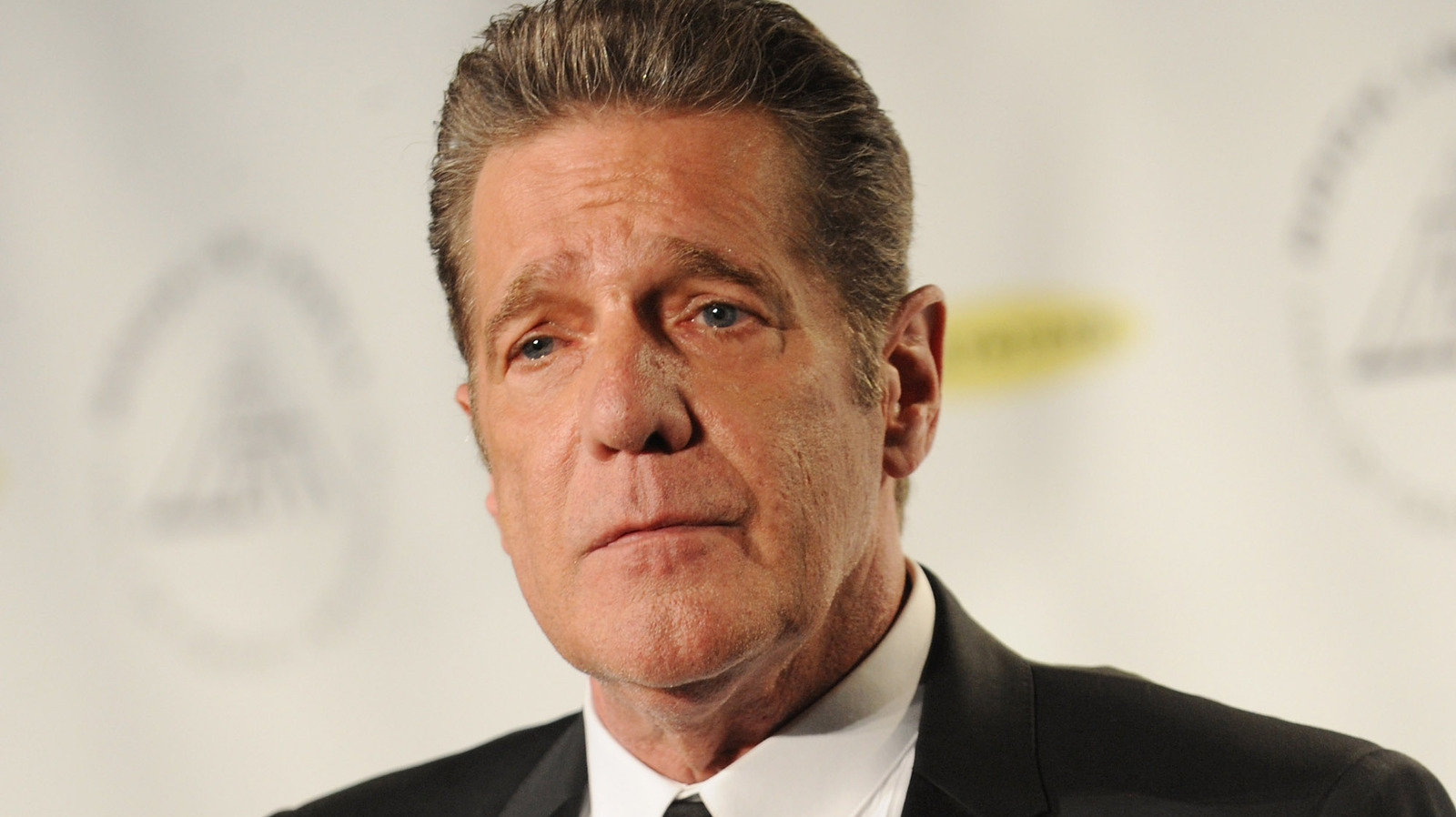
Glenn Frey’s Leap to Millionaire Status: An Inside Look
When music biographers analyze the explosive commercial rise of 1970s Southern California rock, they inevitably return to the co-architect of the Eagles' sound. Behind the breezy vocal harmonies and polished country-rock guitars lay fierce business acumen, prompting fans and industry insiders to examine the $10 million question: what marked Glenn Frey’s leap to millionaire status? The transformation from a couch-surfing Detroit transplant to one of the wealthiest musicians in rock history was not a random stroke of luck; it was the result of strategic songwriting credits, ruthless management, and a fundamental shift in the economics of arena rock.

The Lean Years: Detroit to Laurel Canyon
Before the platinum plaques and chartered private jets, Glenn Frey was another struggling musician living on the margins. Arriving in Los Angeles from Detroit in the late 1960s, Frey absorbed the burgeoning folk-rock scene of Laurel Canyon. He shared a rudimentary apartment with Jackson Browne, listening through the ceiling as Browne meticulously crafted melodies at the piano—a masterclass in discipline that Frey later credited with shaping his own songwriting work ethic.
The turning point occurred in 1971 when producer John Boylan hired Frey, Don Henley, Randy Meisner, and Bernie Leadon to back Linda Ronstadt on tour. Sensing an undeniable chemistry, the quartet broke away to form the Eagles, signing with David Geffen’s fledgling Asylum Records. At this early juncture, Frey was far from wealthy; standard record deals of the era typically saddled artists with modest advances and heavy recoupment obligations.
The $10 Million Question: What Marked Glenn Frey’s Leap to Millionaire Status?
To pinpoint the exact moment Frey crossed the threshold into true millionaire territory, one must look at the convergence of two major events between late 1975 and 1977: the unprecedented commercial dominance of Their Greatest Hits (1971–1975) and the monumental release of Hotel California.
While the Eagles achieved immediate radio success with hits like "Take It Easy" and "Peaceful Easy Feeling," early album sales brought steady income rather than transformative fortunes. That changed drastically with the release of their greatest hits compilation in February 1976. The record became the first album ever certified Platinum by the RIAA, selling millions of copies in its first year alone. Because Frey held primary songwriting credits on five of the ten tracks, mechanical royalties poured directly into his publishing account without the typical production costs associated with recording new material.
Later that same year, Hotel California hit shelves. The album went on to sell over 32 million copies worldwide. For Frey, this era marked the decisive financial leap:
- Publishing Royalties: As co-writer of "Hotel California," "New Kid in Town," and "Life in the Fast Lane," Frey earned top-tier statutory royalties on tens of millions of physical units.
- Live Touring Margins: The 1977 Hotel California stadium tour grossed unprecedented sums, moving the band from multi-act bills to headlining massive arenas and outdoor stadiums.
- Catalog Compounding: Simultaneous sales of their new studio album and back catalog created an overlapping stream of passive royalty checks that permanently elevated Frey into multi-millionaire status before he turned thirty.
The Irving Azoff Factor: Rewriting Rock Economics
Creative talent alone did not guarantee wealth in the 1970s music industry; predatory contracts routinely bankrupted hitmakers. Frey’s fortune was fiercely protected and magnified by the band’s legendary manager, Irving Azoff.
Azoff approached the music business with unprecedented aggression. Recognizing that the Eagles held the leverage of sold-out shows across North America, he dismantled standard promoter models. Instead of accepting customary venue cut splits, Azoff demanded up to 90% of the box-office gate for the band, forcing promoters to make their margins entirely on concessions and parking.
Furthermore, Azoff ensured the band controlled their own merchandise rights—a revenue stream that was rapidly expanding as arena rock blossomed into a multi-million-dollar industry. Frey benefited directly from these contractual masterstrokes, retaining far larger percentages of tour revenues than his peers in rival bands.

Solo Reinvention in the 1980s
When internal acrimony caused the Eagles to disband in 1980, many critics assumed the individual members would see their earning power diminish. Frey, however, adapted quickly to the MTV era by aligning his music with mainstream television and Hollywood blockbusters.
Soundtracks and Broadcast Licensing
Frey understood that the 1980s music market was driven by visual media. Rather than relying solely on traditional radio, he targeted high-visibility film and television soundtracks:
- "The Heat Is On" (1984): Written for the box-office smash Beverly Hills Cop, the song peaked at number two on the Billboard Hot 100 and introduced Frey to a younger demographic.
- "You Belong to the City" and "Smuggler’s Blues" (1985): Heavily featured in the hit television series Miami Vice, these songs yielded massive sync licensing fees and substantial royalties from multi-platinum soundtrack sales.
These solo ventures proved that Frey’s financial viability was not strictly dependent on the Eagles brand. His solo catalog generated steady income while keeping his public profile sharp throughout the decade.
The 1994 Reunion: 'Hell Freezes Over' and Modern Touring
If the late 1970s marked Frey’s initial leap to millionaire status, the 1994 Eagles reunion elevated him into the upper echelon of rock’s wealthiest elites. The Hell Freezes Over tour shattered modern touring economics by establishing a new standard: the $100 ticket.
At a time when top-tier concert tickets averaged $30 to $40, the Eagles gambled that their aging baby-boomer audience possessed significant disposable income and would pay premium prices for nostalgia. The gamble paid off spectacularly. The tour became one of the highest-grossing live outings of the decade, grossing over $140 million across its multi-year run.
Frey and Henley maintained majority ownership of the touring enterprise, capturing the lion's share of profits from ticket sales, television specials, and live album releases. By the time of his passing in 2016, Glenn Frey’s estate was valued between $90 million and $120 million, supported by an enduring catalog that continues to stream and sell globally.
Key Financial Lessons from Frey's Career
Looking back at Frey’s financial trajectory offers several timeless insights for creative professionals:
- Prioritize Songwriting Ownership: Frey prioritized songwriting credits from day one, ensuring he earned passive mechanical royalties regardless of changes in touring schedules or band personnel.
- Align With Relentless Representation: Frey recognized that creative work requires protective, forward-thinking management capable of disrupting legacy industry standards.
- Diversify Across Platforms: His pivot into television and film in the 1980s protected his brand and income when group dynamics dissolved.
- Understand Market Leverage: The 1994 reunion tour succeeded because Frey understood the exact economic demographic of his audience and wasn't afraid to charge what the market could bear.
Ultimately, Glenn Frey’s leap to millionaire status was marked not by a single lucky hit, but by the perfect storm of commercial songwriting brilliance on Their Greatest Hits and Hotel California, paired with ironclad representation that preserved every dollar his talent generated.