Glucose Calculator A1C: Convert Average Blood Sugar
Managing diabetes or keeping a close eye on your metabolic health requires tracking more than just daily fasting and post-meal numbers. While finger-prick tests and continuous glucose monitors (CGMs) show your immediate blood sugar levels, your A1C test reveals a broader, three-month picture of your glucose control. Fortunately, you can bridge the gap between daily data and long-term trends using a glucose calculator A1C tool. This article explains how these conversions work, why they matter, and how to use them effectively for your health.

What Is an Estimated A1C (eAG)?
Your actual A1C test measures the percentage of your hemoglobin—the oxygen-carrying protein in red blood cells—that has glucose coated onto it. Because red blood cells live for roughly three months, this test provides a reliable average of your blood sugar over that timeframe.
For many years, patients only knew their A1C percentage during quarterly doctor visits. However, medical research established a direct mathematical formula linking daily average blood glucose levels to your A1C. This metric is known as the Estimated Average Glucose (eAG), reported in the same units as your home meter (mg/dL or mmol/L).
How a Glucose Calculator A1C Works
A standard glucose calculator A1C utilizes a formula derived from the landmark A1C-Derived Average Glucose (ADAG) study. This clinical trial tracked thousands of patients with type 1, type 2, and no diabetes, comparing their continuous glucose monitoring data and frequent finger-sticks directly against lab-measured A1C results.
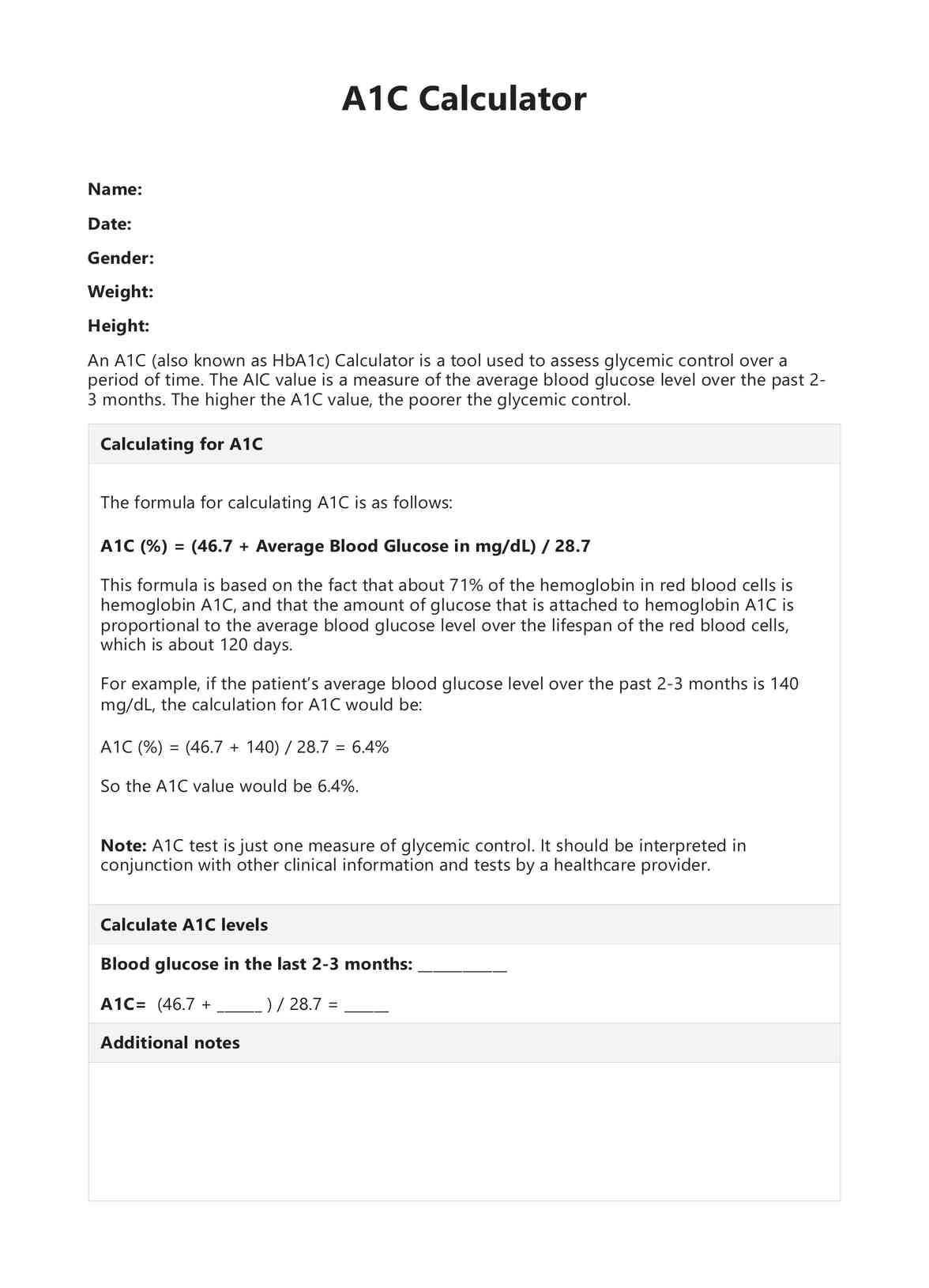
The established formula for converting average blood glucose (in mg/dL) to estimated A1C is:
- Estimated A1C = (Average Glucose + 46.7) / 28.7
Conversely, if you want to estimate your average blood sugar based on a known A1C percentage, the formula reverses:
- Estimated Average Glucose (mg/dL) = (28.7 × A1C) - 46.7
Example Conversions to Keep in Mind
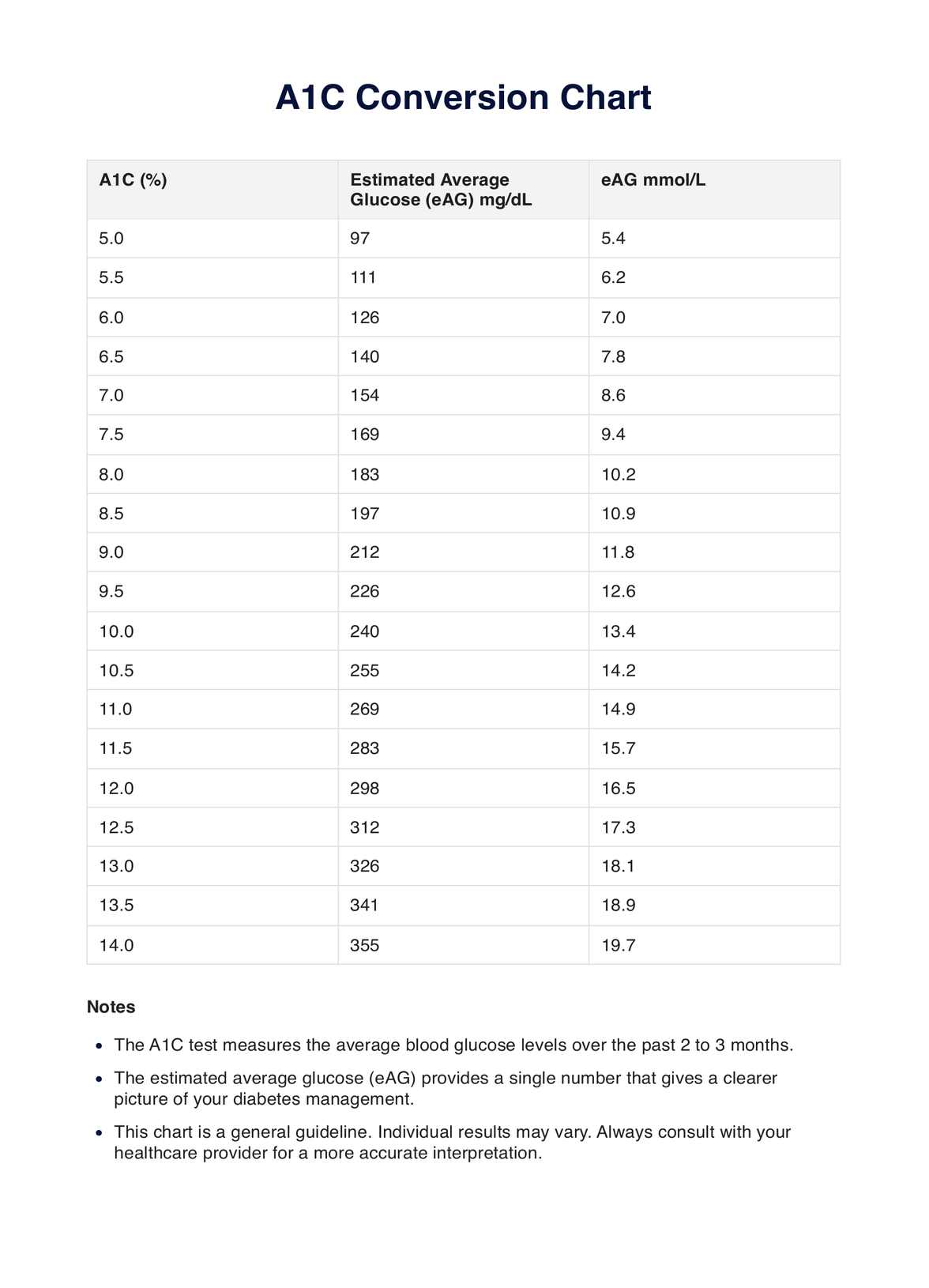
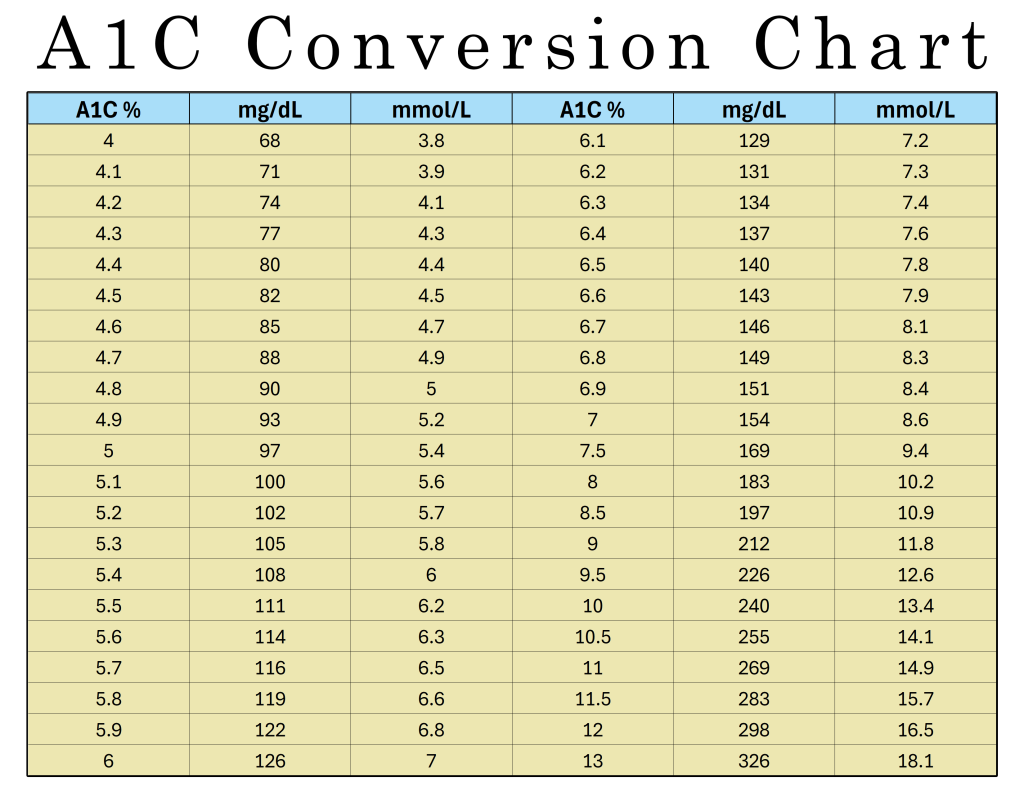
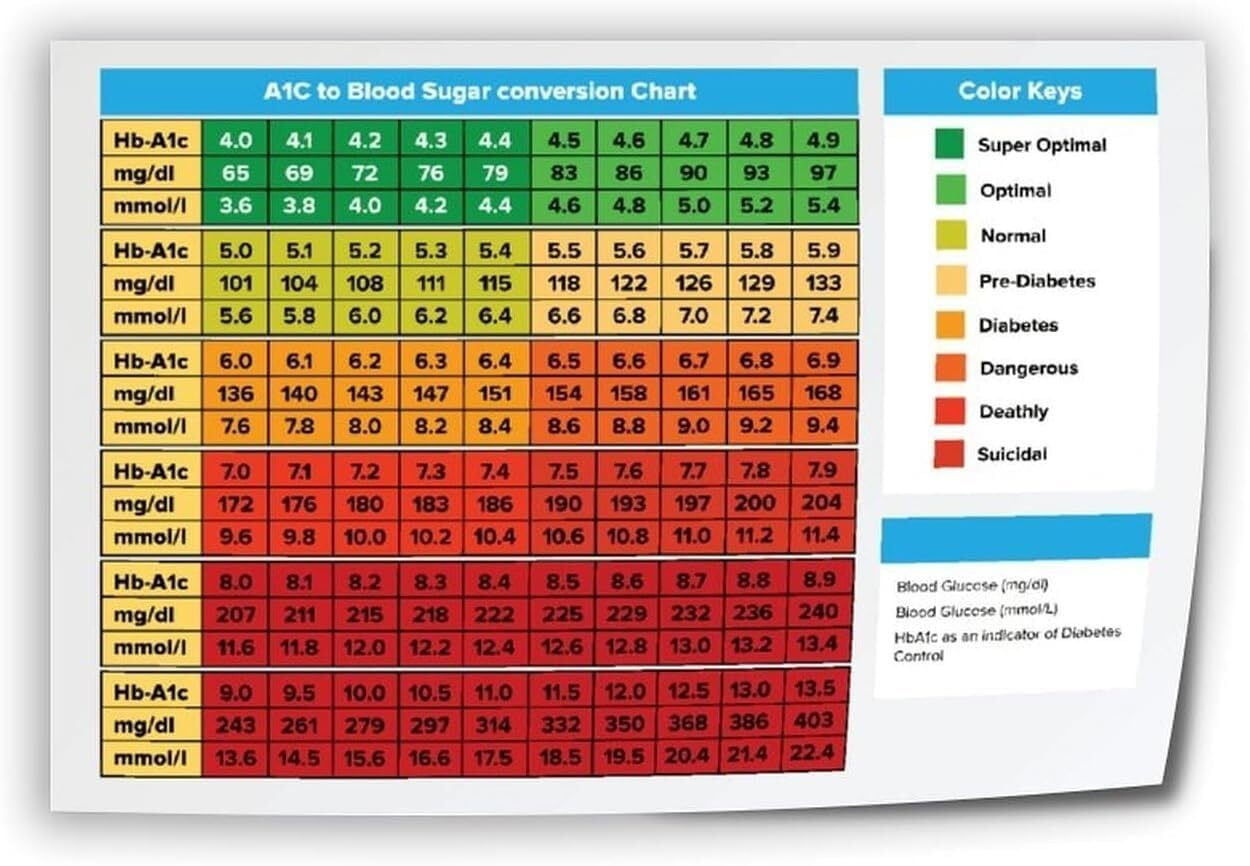
To give you a quick reference without needing to run a calculation every time, consider these common benchmarks:
- An A1C of 6.0% equates to an average blood sugar of roughly 126 mg/dL (7.0 mmol/L).
- An A1C of 7.0% equates to an average blood sugar of roughly 154 mg/dL (8.6 mmol/L).
- An A1C of 8.0% equates to an average blood sugar of roughly 183 mg/dL (10.2 mmol/L).
- An A1C of 9.0% equates to an average blood sugar of roughly 212 mg/dL (11.8 mmol/L).
Why Convert Daily Glucose to A1C?

Relying solely on lab visits every three months can leave you flying blind between appointments. Using a blood sugar converter provides several distinct advantages for daily management:
- Immediate Feedback: If you make a lifestyle change—such as adding a daily post-dinner walk or adjusting your carbohydrate intake—you can watch your 30-day average drop and estimate your upcoming A1C weeks before your lab draw.
- Spotting Discrepancies: Sometimes, home meter averages and lab A1C results do not match. If your calculated A1C differs significantly from your lab results, it can prompt a helpful discussion with your doctor about conditions that affect red blood cell turnover, such as iron deficiency anemia or certain vitamin deficiencies.
- Better Motivation: Looking at a raw average of 160 mg/dL can feel abstract. Translating that number into a concrete percentage helps ground your goals in familiar clinical terms.
Limitations of Estimated A1C Calculations
While an estimated A1C is an exceptionally useful tool for daily tracking, it is important to remember that it is an approximation rather than a diagnostic replacement for a laboratory test.
Factors That Can Alter Results
Your home meter or CGM calculates an average based on the data points it receives. If you only test when you feel shaky or forget to log your fasting numbers, your average will be skewed. Furthermore, physiological conditions can alter actual hemoglobin glycation:
- Red Blood Cell Lifespan: Conditions that destroy red blood cells prematurely (hemolytic anemia) can artificially lower A1C, while conditions that prolong cell life can raise it.
- Pregnancy: Rapid hormonal and blood volume changes during pregnancy require specialized glucose monitoring and altered A1C targets.
- Kidney Disease: Advanced chronic kidney disease can interfere with standard lab measurements, making estimated calculations or alternative tests necessary.
How to Get the Most Accurate Readings
To ensure your estimated A1C matches your true lab results as closely as possible, focus on the quality of your input data. If you use a traditional blood glucose meter, make sure you are testing consistently across different times of day—including fasting, pre-meal, and post-meal windows—rather than just when you suspect your sugar is high.
If you wear a CGM, ensure your sensor is properly calibrated and that you maintain a high sensor wear-time percentage (ideally over 70% to 80% of the month). The more data points your device records, the more accurate your average glucose—and by extension, your estimated A1C—will be.
Conclusion
Tracking your metabolic health does not have to wait for your next quarterly doctor visit. By utilizing a glucose calculator A1C, you can transform your daily logbook numbers into meaningful, long-term trends. Use these calculations to stay motivated, evaluate your daily routines, and have more informed, proactive conversations with your healthcare provider about your diabetes management plan.