GMT 1 to EST: Time Conversion Made Simple
Understanding GMT 1 to EST
Converting GMT 1 to EST is a common necessity for international business, remote teamwork, and global communication. When dealing with time zones spanning the Atlantic Ocean, even a small calculation error can lead to missed meetings or delayed deadlines. This guide breaks down the exact relationship between Greenwich Mean Time plus one hour (GMT+1) and Eastern Standard Time (EST) so you can schedule events with absolute confidence.
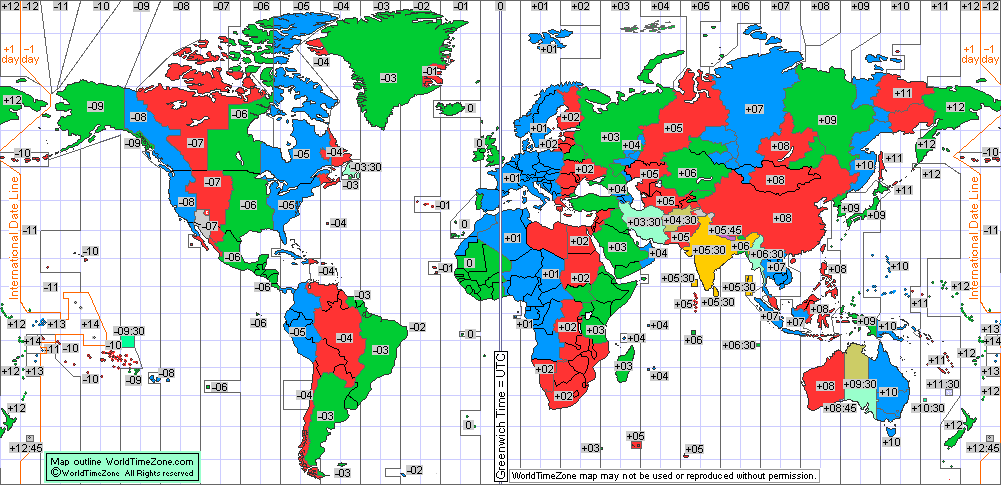
At its core, time zone math requires understanding base offsets from Coordinated Universal Time (UTC). Because time zones shift depending on the time of year due to seasonal clock changes, getting this conversion right means looking at both standard time and daylight saving time rules.
What is GMT+1?
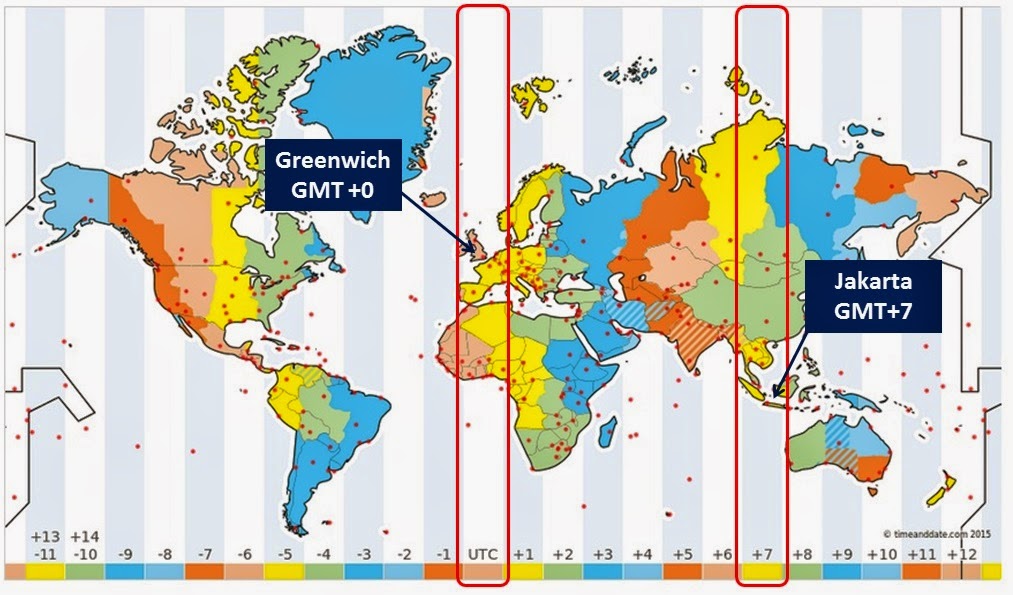
Greenwich Mean Time plus one hour, commonly written as GMT+1 or UTC+1, is a time zone that sits one hour ahead of Coordinated Universal Time. It is widely observed across Europe during the winter months in regions like Central Europe (Central European Time, or CET) and parts of West Africa. Countries operating in this zone include France, Germany, Italy, Spain, and Poland during their standard time periods.
When it is 12:00 PM (noon) in London during the winter (which is GMT), it is 1:00 PM in Paris, which operates on GMT+1.
What is EST?
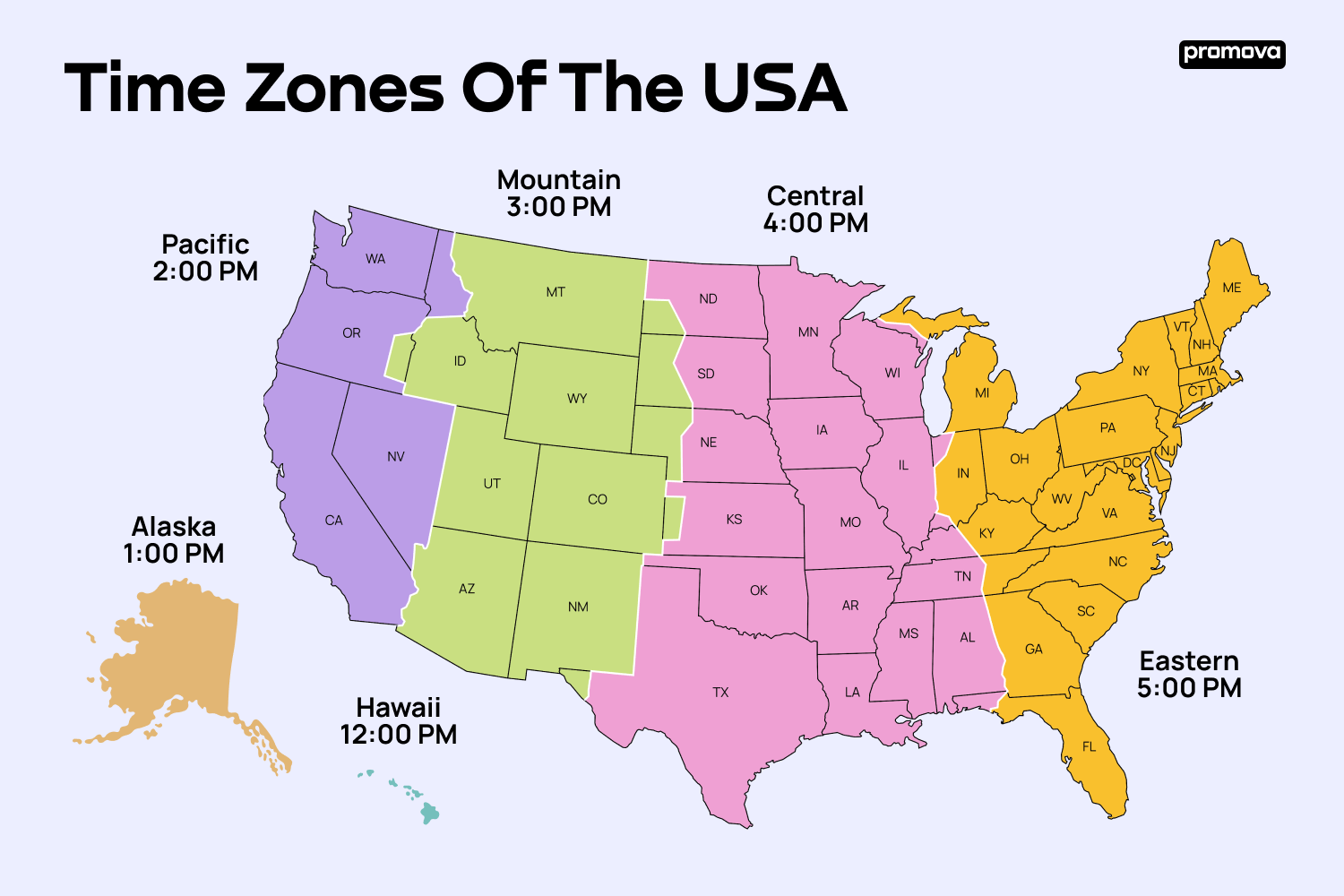
Eastern Standard Time (EST) is UTC-5. It is the local time zone used in parts of the Americas, including the Eastern United States, parts of Canada (such as Ontario and Quebec), and several Caribbean nations during the winter months. Major cities in this zone include New York, Washington D.C., Toronto, and Miami.
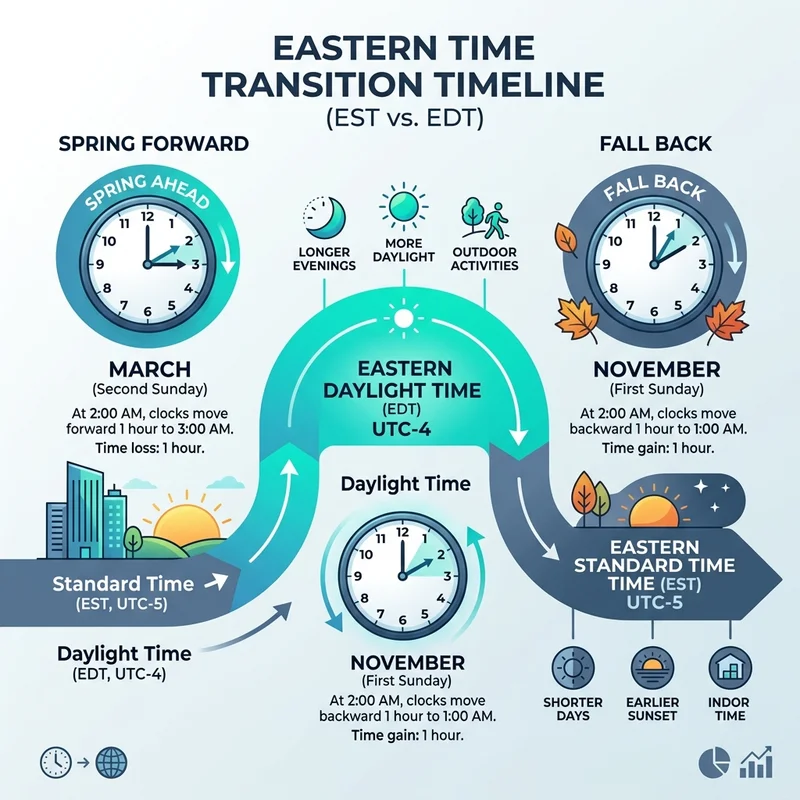
It is important to note that EST specifically refers to the winter (standard) offset. During the summer months, these same regions switch to Eastern Daylight Time (EDT), which is UTC-4.
The Exact Time Difference: GMT 1 to EST
To convert GMT 1 to EST, you need to calculate the total hour difference between UTC+1 and UTC-5.
- GMT+1 is 1 hour ahead of UTC.
- EST is 5 hours behind UTC.
- The total mathematical difference between +1 and -5 is 6 hours.
Therefore, GMT+1 is always 6 hours ahead of EST. When it is 12:00 PM (noon) EST in New York, it is 6:00 PM in a GMT+1 zone like Paris or Berlin.
Video: GMT vs UTC Explained

Quick Conversion Reference Table
Use the following table to quickly map out common working hours between GMT+1 and EST during the standard winter months:
- GMT+1 8:00 AM = EST 2:00 AM
- GMT+1 10:00 AM = EST 4:00 AM
- GMT+1 12:00 PM (Noon) = EST 6:00 AM
- GMT+1 2:00 PM = EST 8:00 AM
- GMT+1 4:00 PM = EST 10:00 AM
- GMT+1 6:00 PM = EST 12:00 PM (Noon)
- GMT+1 8:00 PM = EST 2:00 PM
- GMT+1 10:00 PM = EST 4:00 PM
The Impact of Daylight Saving Time (DST)
The biggest trap when converting international times is Daylight Saving Time (DST). While the math for GMT 1 to EST is straightforward in the winter, seasonal changes disrupt the 6-hour gap twice a year because Europe and North America transition on different dates.
Spring and Autumn Mismatches
In the United States and Canada, DST usually begins on the second Sunday of March and ends on the first Sunday of November. In Europe (Central European Time / GMT+1 regions), DST begins on the last Sunday of March and ends on the last Sunday of October.
During the brief periods in March and October when one region has changed its clocks and the other has not:
- The time difference temporarily shifts from 6 hours to 5 hours.
- Failing to account for this gap will cause you to arrive an hour early or late for international meetings.
Furthermore, during the North American summer, the Eastern time zone uses EDT (UTC-4) instead of EST, while Europe uses Central European Summer Time (CEST, which is UTC+2). The gap between UTC+2 and UTC-4 remains 6 hours, but the underlying time zone names technically change.
Tips for Scheduling Across These Time Zones
Managing international schedules requires proactive habits to avoid confusion. Keep these best practices in mind:
- Use Calendar Tools: Modern calendar apps like Google Calendar or Outlook automatically adjust for time zone shifts and DST changes. Always set the meeting location or select the specific time zones for both participants.
- Specify the Date: When writing emails across time zones, include the exact date alongside the time (e.g., "October 15 at 3:00 PM GMT+1 / 9:00 AM EST") to highlight any potential DST discrepancies.
- Find the Overlap Window: A 6-hour gap leaves a narrow window for real-time collaboration. Late mornings in the EST zone (9:00 AM to 11:00 AM EST) map to mid-afternoons in GMT+1 zones (3:00 PM to 5:00 PM GMT+1), making this the ideal window for video calls.
Conclusion
Converting GMT 1 to EST comes down to a simple 6-hour rule during standard winter months, with GMT+1 running ahead of EST. By double-checking transition dates in spring and autumn, you can effortlessly coordinate schedules, prevent missed appointments, and maintain smooth global operations year-round.