Golden Retriever Size: Why Size Matters
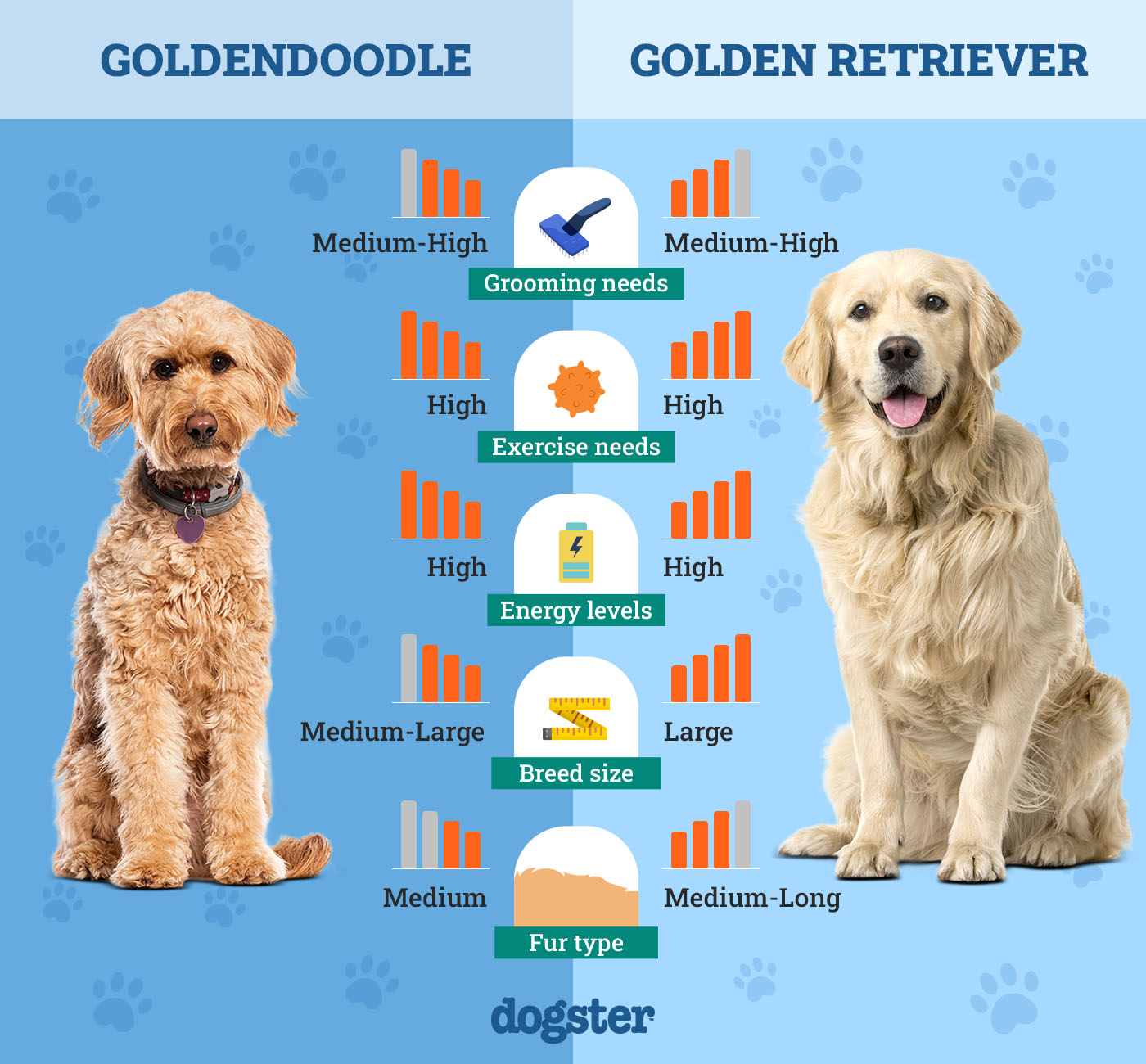
When most people picture a Golden Retriever, they envision a friendly, medium-to-large dog bounding across a lawn with a tennis ball. However, understanding standard Golden Retriever size: why size matters more than you think goes far beyond satisfying idle curiosity. A dog's physical dimensions directly influence everything from their daily calorie intake and joint health to the type of crate you need to buy and how they navigate your home environment.

Breed standards exist for a reason. They help breeders maintain the structural integrity, working ability, and health of the canine. Whether you are bringing home a new puppy or trying to figure out if your rescue mix fits the breed profile, knowing what to expect physically is essential for responsible pet ownership.
The Official Breed Standards for Golden Retrievers
Major kennel clubs, including the American Kennel Club (AKC) and The Kennel Club (UK), have established strict guidelines for what constitutes an ideal adult Golden Retriever. These numbers are based on decades of breed preservation.
- Height (Males): 23 to 24 inches at the shoulder.
- Height (Females): 21.5 to 23 inches at the shoulder.
- Weight (Males): 65 to 75 pounds.
- Weight (Females): 55 to 65 pounds.
Notice the distinct sexual dimorphism in the breed. Males are noticeably taller and heavier, possessing broader heads and heavier bone structures. Females are more refined and slightly smaller. If your dog falls outside these ranges, it does not mean they aren't a wonderful companion, but it does mean they deviate from the official standard.
Why Golden Retriever Size Impacts Health
Dog owners often underestimate how much a few extra pounds or inches can impact a canine's biological systems. Because Golden Retrievers are prone to specific genetic conditions, monitoring their size is a vital healthcare measure.
Joint Health and Dysplasia
Hip and elbow dysplasia are inherited conditions that occur when the joint sockets do not form properly. When a dog exceeds its natural genetic size—either through heavy bone structure or, more commonly, canine obesity—the excess weight places immense mechanical stress on these developing or compromised joints. Keeping your Golden Retriever at the lean end of their healthy weight range significantly reduces the severity of arthritis later in life.
Cardiovascular Strain
Larger frames require the heart to pump blood across a greater distance. When a Golden Retriever carries excess fat, the cardiovascular system works overtime. This increases the risk of heart conditions, including subvalvular aortic stenosis (SAS), a common congenital heart defect in the breed.
Nutritional Needs Tied to Physical Dimensions

You cannot feed a Golden Retriever puppy the same way you feed a toy breed or even a smaller medium breed. Their growth rate is rapid, and managing that growth is crucial.
The Dangers of Fast Growth
Large-breed puppies grow at an astonishing rate between the ages of three and ten months. However, if they grow too fast—often triggered by high-calcium or high-calorie puppy foods—their bones and cartilage cannot keep up. This can result in skeletal malformations and permanent joint damage. Always feed a specialized large-breed puppy formula designed to promote slow, steady growth rather than rapid weight gain.
Adult Maintenance and Portion Control
Once a Golden Retriever reaches adulthood (usually around 18 months to two years), their metabolism stabilizes. Because Goldens are notoriously food-motivated and prone to overeating, owners must measure food portions meticulously. A dog that drifts from 65 pounds to 85 pounds may not look drastically different under all that fur, but that 20-pound increase represents a massive percentage of their total body weight, drastically shortening their life expectancy.
Practical Implications for Daily Life
Physical size dictates how a Golden Retriever interacts with your living space, vehicle, and family members.
- Vehicle Safety: A 70-pound dog requires a crash-tested harness or a dedicated crate in the car. Standard seatbelts or loose dogs pose significant safety risks during sudden stops.
- Grooming and Handling: Lifting a sick or elderly 65-pound dog into a bathtub or onto a vet table requires considerable physical strength. Training your dog to use ramps early on is a smart strategy.
- Space Requirements: While Goldens can adapt to apartment living if given enough outdoor exercise, their broad tails act like natural broomsticks that can easily sweep coffee table items onto the floor.
Tracking Your Puppy’s Growth Curve
If you are raising a puppy, monitoring their weight against expected milestones helps ensure they are developing normally. A typical male puppy might weigh around 30 pounds at four months old, doubling that by eight to ten months before filling out his chest and broad head over the next year. Regular veterinary check-ups will plot these metrics on a growth chart to catch potential issues early.
Ultimately, appreciating the physical realities of your dog allows you to provide proactive care. By keeping your Golden Retriever within a healthy weight and size bracket, you ensure they stay active, pain-free, and by your side for many years to come.