Goodwill’s $7 Million+ Pay: A Closer Look
Goodwill’s $7 Million+ Pay: From Charity to Billionaire Status—A Closer Look!

In the age of social media, viral rumors travel faster than verified facts. One enduring urban legend that surfaces on platforms like Facebook and TikTok every few years involves executive compensation at Goodwill Industries. The claim usually centers around Goodwill’s $7 Million+ Pay, suggesting that the CEO or founder pockets millions while exploiting disabled workers and low-wage retail staff. But how much truth is actually behind these viral claims, and what does the financial reality of the organization look like?
To understand where these rumors originate, we have to examine the decentralized structure of Goodwill, how non-profit executive pay is determined, and the sheer scale of an operation that generates billions of dollars in annual revenue. Let’s pull back the curtain on the nation's most recognizable thrift store network.
Deconstructing the $7 Million+ Pay Myth
The most important fact to clear up immediately is that no single individual at Goodwill makes $7 million a year, nor is there a billionaire at the top skimming profits from donated clothing. The rumor often conflates total organizational payroll figures, regional executive compensation packages, or completely fabricated numbers designed for outrage engagement.
Goodwill Industries International (GII) is not a single, centralized corporation. Instead, it is a network of over 150 independent, autonomous local 501(c)(3) non-profit organizations across North America. Each regional Goodwill operates its own board of directors, sets its own budget, and determines executive salaries based on the local cost of living, regional revenue, and the complexity of the operation.
What Do Goodwill Executives Actually Make?
While local CEOs do not make $7 million, running a multi-million or billion-dollar non-profit network is complex, and executive compensation reflects that reality. According to publicly available IRS Form 990 filings:
- CEOs of major regional Goodwill chapters typically earn salaries ranging from $150,000 to over $400,000 annually, depending on the geographic market (e.g., major metropolitan areas vs. rural regions).
- The President and CEO of Goodwill Industries International—the umbrella association—earns a salary that falls well below the multi-million-dollar mark, usually aligning with standards for heads of large national charities.
- Compared to corporate retail executives at companies like Walmart or Target, non-profit executive pay at Goodwill is significantly lower for managing comparable operational footprints.
The Scale of Goodwill: A Multi-Billion-Dollar Enterprise
Part of what shocks critics is the sheer financial scale of Goodwill. It is not a small mom-and-pop charity operating out of a church basement. Goodwill Industries generates over $6 billion in combined annual revenue across its network through thrift store sales and government contracts.
Because the organization operates on such a massive scale, critics sometimes balk at the idea of paying executives six-figure salaries. However, charity watchdogs like Charity Navigator and Candid (formerly GuideStar) evaluate non-profits based on efficiency rather than raw dollar amounts. Goodwill organizations generally direct 85% to 89% of their total revenues directly into community programs, job training, and mission services.

Where Does the Revenue Go?
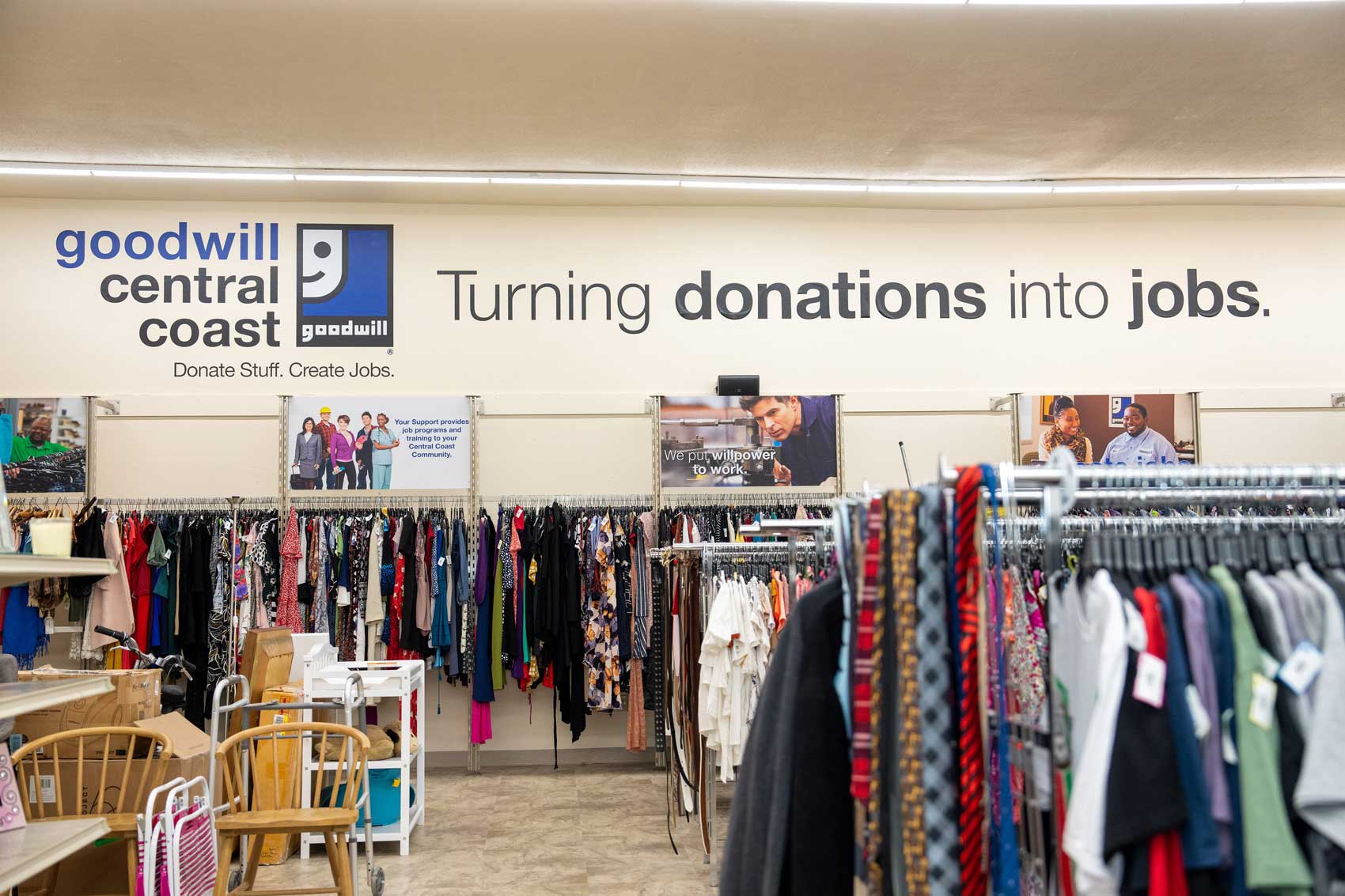
When you purchase a $5 sweater or donate a used couch, where does that money end up? The financial model of Goodwill is designed to fund employment placement services, digital skills training, youth mentoring, and rehabilitation programs.
- Retail Operations: Store revenue covers facility leases, utilities, logistics, and employee wages for retail workers.
- Mission Services: Surplus revenue directly funds career counseling and vocational training for individuals with disabilities, veterans, and people with criminal backgrounds.
- Administrative Costs: A small percentage goes toward executive pay, HR, legal compliance, and accounting to ensure the non-profit operates legally and efficiently.
Addressing the Special Minimum Wage Controversy
While the $7 million pay rumor is false, critics often point to a real, historical controversy regarding Goodwill: the use of sub-minimum wage certificates for workers with severe disabilities.
Under Section 14(c) of the Fair Labor Standards Act, certain non-profits were historically permitted to pay sub-minimum wages to workers whose disabilities impaired their productivity. In the past, some Goodwill chapters utilized this program. However, in response to public advocacy and changing ethical standards, Goodwill Industries International announced a phased transition away from 14(c) certificates. Today, the vast majority of Goodwill chapters have entirely eliminated sub-minimum wages, committing instead to paying competitive, integrated wages.
How to Verify Non-Profit Financials Yourself
In the digital age, you do not have to rely on viral social media posts to understand where a charity's money goes. Transparency is legally required for 501(c)(3) organizations in the United States.
If you want to check the financial health and executive compensation of your local Goodwill chapter, you can:
- Visit independent charity evaluation websites like Charity Navigator or GuideStar.
- Request or download the organization's public IRS Form 990, which details exact salaries for top earners, total revenue, and program expenses.
- Review the annual report published directly on your regional Goodwill chapter's website.
The Bottom Line
The sensational narrative surrounding Goodwill’s $7 million+ pay makes for catchy internet headlines, but it crumbles under basic factual scrutiny. While Goodwill is a massive economic engine that generates billions of dollars and pays its executive leadership market-rate salaries to manage complex operations, it is not a billionaire's playground. Understanding the decentralized structure of the organization helps separate internet myths from the reality of how thrift retail funds community-changing job programs.