Gopher vs. Prairie Dog: Key Differences Explained
When homeowners spot mounds of freshly turned dirt in their yards, a common question arises: is it the work of a gopher or a prairie dog? While both are burrowing rodents native to North America, they belong to entirely different biological families and exhibit distinct behaviors. Understanding the differences between a gopher prairie dog mix-up is essential for anyone trying to identify backyard wildlife or manage potential pest damage.
Appearance: Spotting the Physical Differences
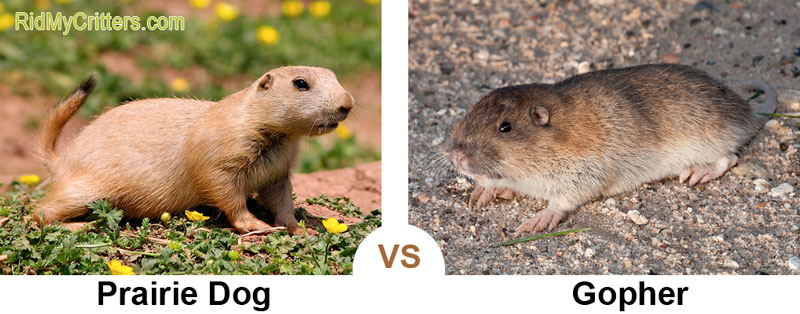
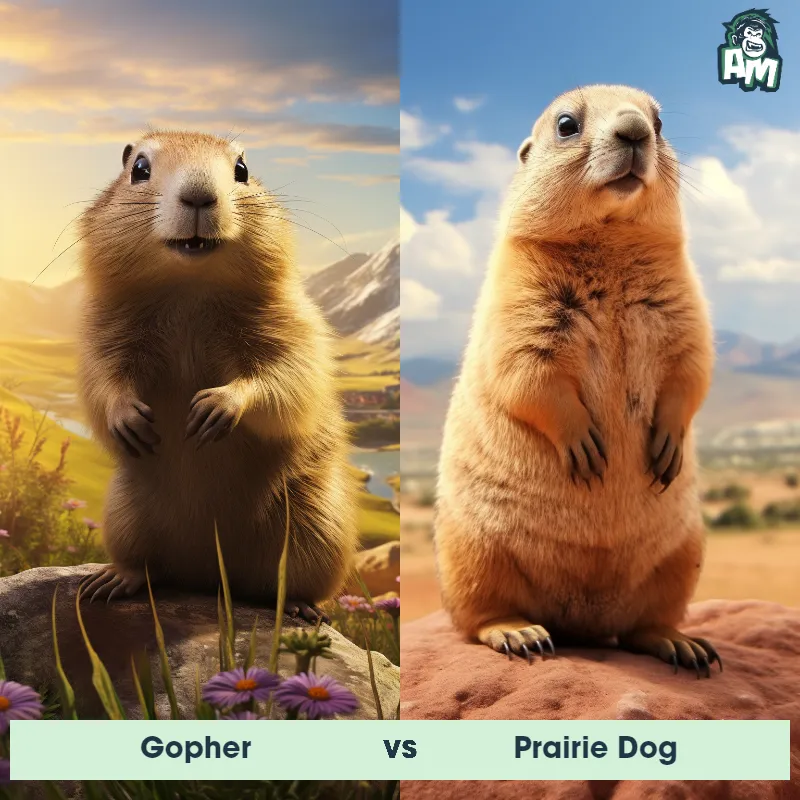
At first glance, a pocket gopher and a prairie dog might look somewhat similar due to their chunky bodies and earth-toned fur. However, a closer look reveals distinct physical traits that set them apart immediately.
Gopher Characteristics
Gophers are built for a completely subterranean lifestyle. They typically measure between 5 to 14 inches long, depending on the species. Key physical features include:
- External Fur-Lined Cheek Pouches: These pouches are used to transport food and can be turned inside out for cleaning.
- Prominent Yellow Incisors: Their front teeth are visible even when their mouths are closed, perfect for biting through tough roots.
- Tiny Eyes and Ears: Because they spend almost all their time underground in total darkness, their vision and hearing are poorly developed.
- Strong Claws: Their front paws feature long, powerful claws designed for digging through dense soil.
Prairie Dog Characteristics
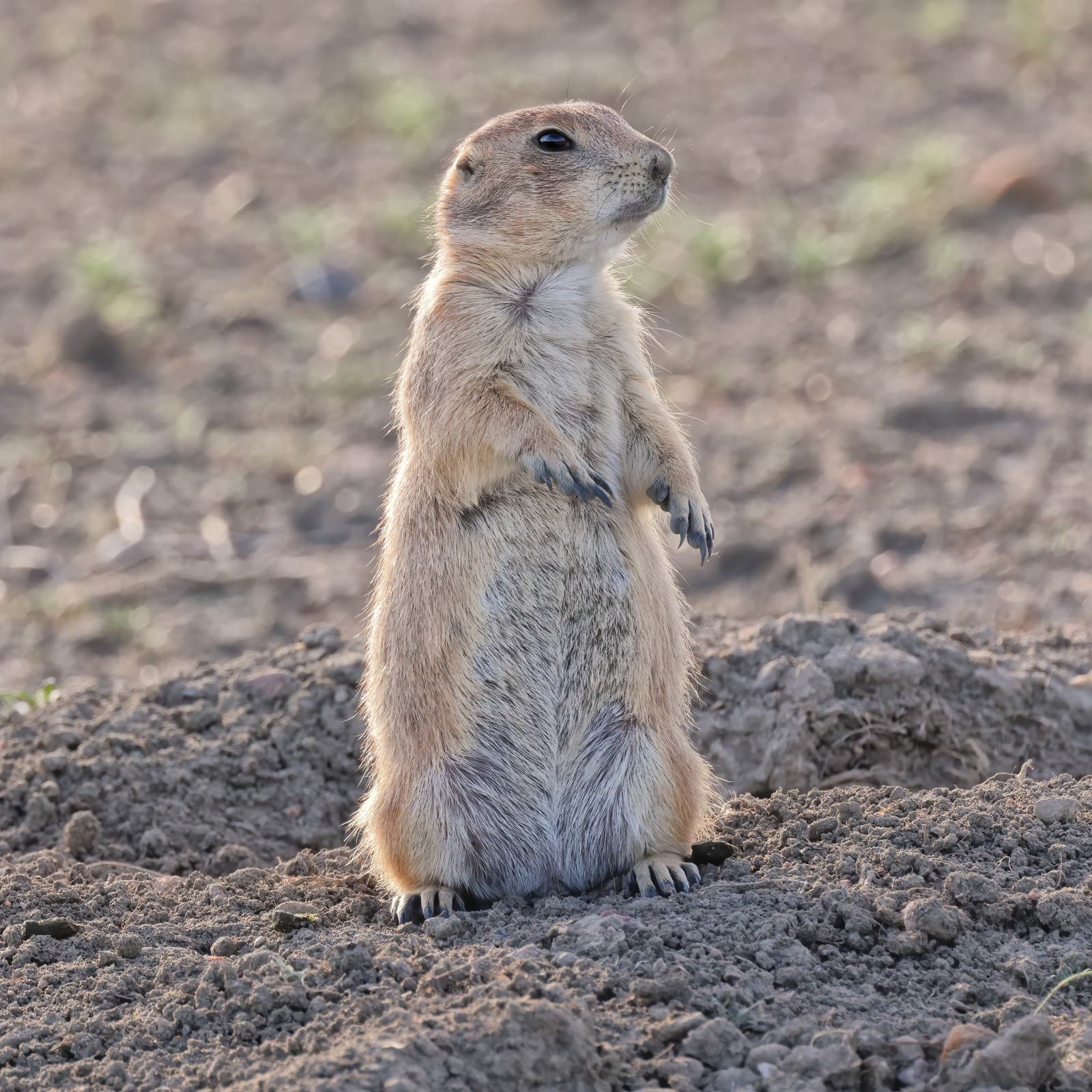
Prairie dogs are actually members of the squirrel family (Sciuridae) and are adapted for life above ground in open grasslands. They are generally larger and more robust than gophers:
- Squirrel-Like Heads: They have larger, rounder eyes and small, furry ears set higher on their heads.
- Short, Flat Tails: Unlike gophers, which have short, hairless, and sensitive tails used for navigating backward in tunnels, prairie dogs have short, furry tails often tipped with black or white.
- Social Posture: They frequently stand up on their hind legs to scan the horizon for predators.
Habitat and Burrowing Habits
The way these two animals interact with their environment is perhaps their most defining characteristic. Their burrow systems serve entirely different purposes.
Subterranean Gophers
Gophers are solitary, highly territorial animals. Except during mating season or when a mother is raising young, you will almost never find two gophers sharing the same burrow system. They spend up to 90% of their lives underground. Their tunnels are extensive, spanning hundreds of feet, and feature specialized chambers for nesting, food storage, and waste. They rarely venture onto the surface, usually only popping up to push out excavated dirt.
Colonial Prairie Dogs
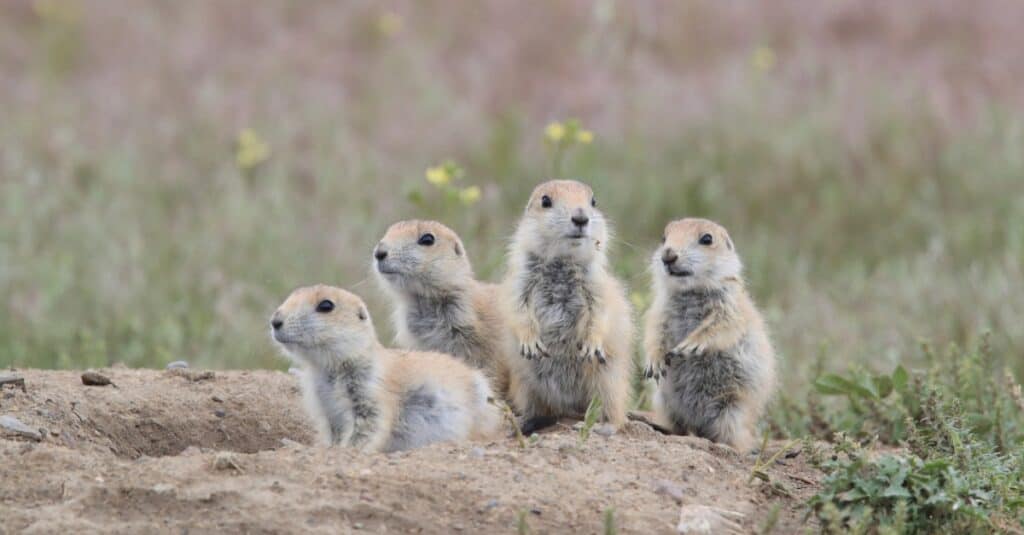
In stark contrast, prairie dogs are intensely social creatures that live in large communities called "towns." These towns can cover hundreds of acres and house thousands of individuals divided into smaller family groups known as "coteries." Their burrows are deep—often reaching 10 to 15 feet underground—and feature multiple surface entrances surrounded by raised dirt craters. These craters act as lookout posts and prevent rainwater from flooding the tunnels.
Diet and Foraging Behavior
What these animals eat dictates how they move through their environment and how much damage they might cause to human landscaping.
What Gophers Eat
Gophers are strict herbivores with a penchant for roots, tubers, and the occasional succulent underground stem. Because they forage from below, they often pull entire plants down into their tunnels by the roots. If you notice a prize-winning hosta or vegetable plant suddenly sinking into the ground from below, a gopher is almost certainly the culprit.
What Prairie Dogs Eat
Prairie dogs graze primarily above ground. Their diet consists of:
- Grasses, roots, seeds, and stems
- Flowers and forbs during the spring and summer
- Insects on rare occasions when vegetation is scarce
By clipping vegetation down around their burrows, prairie dogs maintain a clear line of sight to watch for predators like hawks, coyotes, and badgers.
Impact on Ecosystems and Yards
Both animals play critical roles in their native ecosystems, but both can also become significant nuisances for property owners.
Ecological Roles
Ecologists consider both species to be "keystone species" or ecosystem engineers:
- Soil Aeration: Their tunneling habits churn the soil, mixing nutrients and improving water infiltration.
- Habitat Creation: Abandoned burrows created by gophers and prairie dogs provide shelter for dozens of other species, including burrowing owls, snakes, and rabbits.
Yard and Agricultural Damage
While they are ecologically important, they can wreak havoc on human infrastructure:
- Gophers destroy underground utility lines, ruin lawns with horseshoe-shaped dirt mounds, and kill valuable trees and garden plants by eating their root systems.
- Prairie Dogs cause extensive agricultural damage by overgrazing pastures intended for livestock. Their burrows can also pose a tripping hazard for horses and cattle.
Management and Control Strategies
Because their behaviors differ, the methods used to manage gophers versus prairie dogs are distinct.
Controlling gophers typically involves underground trapping, subterranean wire mesh baskets planted beneath new trees and garden beds, or targeted application of baits within their active tunnel systems. Because they are solitary, removing one individual often solves the problem in a specific area.
Prairie dogs, on the other hand, require community-wide management plans. Because they live in large colonies and are protected or regulated in certain states due to their impact on endangered species like the black-footed ferret, local wildlife agencies often restrict how they can be removed. Fumigants, live-trapping, and habitat modification are common management tools used by agricultural producers.
Summary: Telling Them Apart Easily
To quickly determine which animal you are dealing with, ask yourself three simple questions:
- Do you see the animal running around above ground during the day? It is likely a prairie dog.
- Are your garden plants disappearing from the bottom up? You have a gopher.
- Are there dozens of connected holes with dirt craters forming a large town? That is prairie dog territory.
Recognizing these differences ensures you can accurately identify the wildlife in your area and choose the appropriate management strategy for your property.