Gordon Ramsay’s Food: Iconic Dishes & Flavors
When people think of world-class cuisine, Gordon Ramsay’s food immediately comes to mind. With multiple Michelin stars earned throughout his career, Ramsay has built a culinary empire defined by precision, bold flavors, and an unwavering commitment to fresh ingredients. Whether you are watching him command a high-pressure kitchen on television or dining at one of his global restaurants, his approach to cooking is both disciplined and deeply flavorful.

Understanding what makes his food so iconic requires looking past the television persona and examining the techniques, philosophies, and signature dishes that have defined his career for decades.
The Philosophy Behind Gordon Ramsay’s Food
At the core of Gordon Ramsay’s cooking philosophy is respect for the ingredient. Trained by culinary legends like Marco Pierre White and Joël Robuchon, Ramsay learned early on that great cooking does not need to be overly complicated. Instead, it relies on seasonality, proper technique, and balance.
Several key pillars drive his culinary approach:
- Seasonality: Using produce at the peak of its season ensures maximum flavor.
- Simplicity: Letting primary ingredients—like a cut of beef or a fresh scallop—shine without masking them in heavy sauces.
- Precision: Cooking times, seasoning levels, and plating must be executed with exactness.
- Texture and Contrast: Every dish should feature a balance of textures, such as combining something creamy with something crisp.
Signature Dishes That Defined a Career
Over the years, certain dishes have become synonymous with Ramsay's name. These recipes appear across his fine dining establishments and have been recreated by home cooks around the world.
Beef Wellington
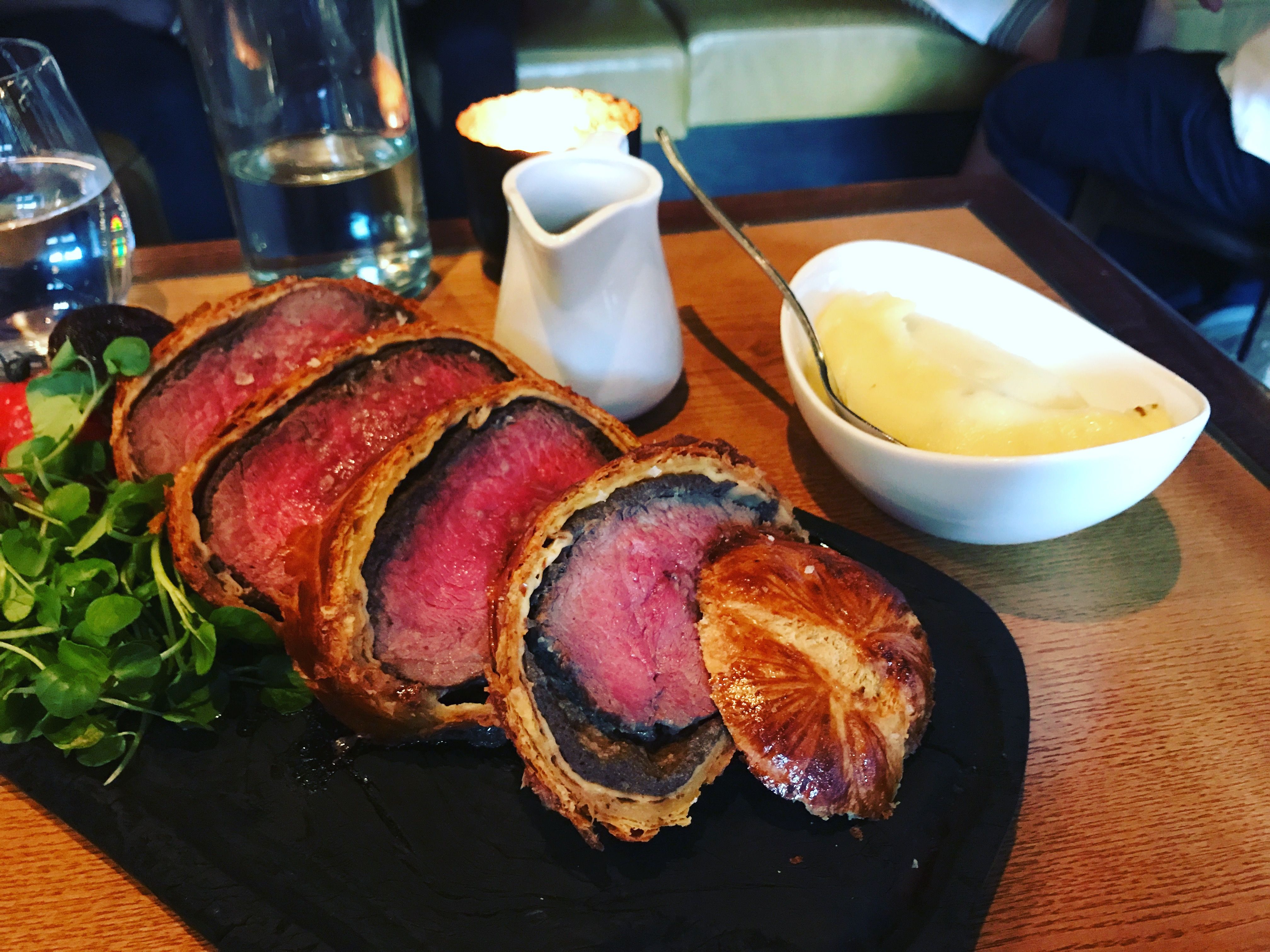
Perhaps no dish is more closely associated with Ramsay than the classic Beef Wellington. This masterpiece of British cuisine requires incredible technical skill. It features a center of tender beef tenderloin coated in a mushroom duxelles and prosciutto, all wrapped in buttery, golden puff pastry.
The challenge of the Beef Wellington lies in cooking the beef to a perfect medium-rare while ensuring the pastry achieves a crisp, flaky texture without becoming soggy. It remains the ultimate test of execution in many professional and home kitchens.
Pan-Seared Scallops with Cauliflower Purée
Video: Chef Impresses Gordon Ramsay

Ramsay is a master of seafood, and his pan-seared scallops served with a silky cauliflower purée and crispy pancetta demonstrate his mastery of flavor pairing and texture. Getting a deep, golden crust on a scallop without overcooking the delicate center is a hallmark of classic French technique that Ramsay champions.
Lobster Ravioli
Featured prominently on the menus of his Michelin-starred restaurants and heavily tested on culinary competition shows, Ramsay's lobster ravioli showcases delicate handmade pasta stuffed with sweet lobster meat, often served in a rich, aromatic shellfish broth or light butter sauce.
Casual Classics and Comfort Food
While Ramsay holds a staggering number of Michelin stars, much of his current global brand focuses on elevated casual dining. Through concepts like Gordon Ramsay Burger and Gordon Ramsay Fish & Chips, he proves that comfort food can be just as exceptional as fine dining when made with care.
Key elements of his casual food include:
- Custom Blends: Burgers made from short rib, brisket, and chuck for optimal fat content and flavor.
- Hand-Cut Fries: Double-cooked chips tossed in sea salt and truffle oil.
- Battered Seafood: Cod or haddock fried in a light, crispy beer batter served with house-made tartar sauce.
How to Cook Like Ramsay at Home
Recreating the magic of Gordon Ramsay’s food in a home kitchen does not require professional equipment, but it does require adopting a few professional habits. Ramsay frequently shares home-cooking tutorials emphasizing foundational skills.
To elevate your cooking at home, keep these tips in mind:
- Taste as you go: Adjust seasoning throughout the cooking process rather than just at the end.
- Invest in a sharp knife: Proper knife skills make prep work safer and more efficient.
- Master heat control: Learn when to use high heat for searing and low heat for simmering.
- Rest your protein: Always let meats rest after cooking to allow the juices to redistribute.
The Legacy of a Culinary Icon
Gordon Ramsay’s food has evolved over decades, moving from strict classical French fine dining to a diverse global portfolio that spans casual eateries, steakhouses, and pubs. Yet, the common thread remains uncompromised: a relentless drive for quality, flavor, and perfection on every plate. Whether through a complex Beef Wellington or a perfectly scrambled egg, Ramsay’s impact on modern gastronomy continues to inspire chefs and food lovers worldwide.