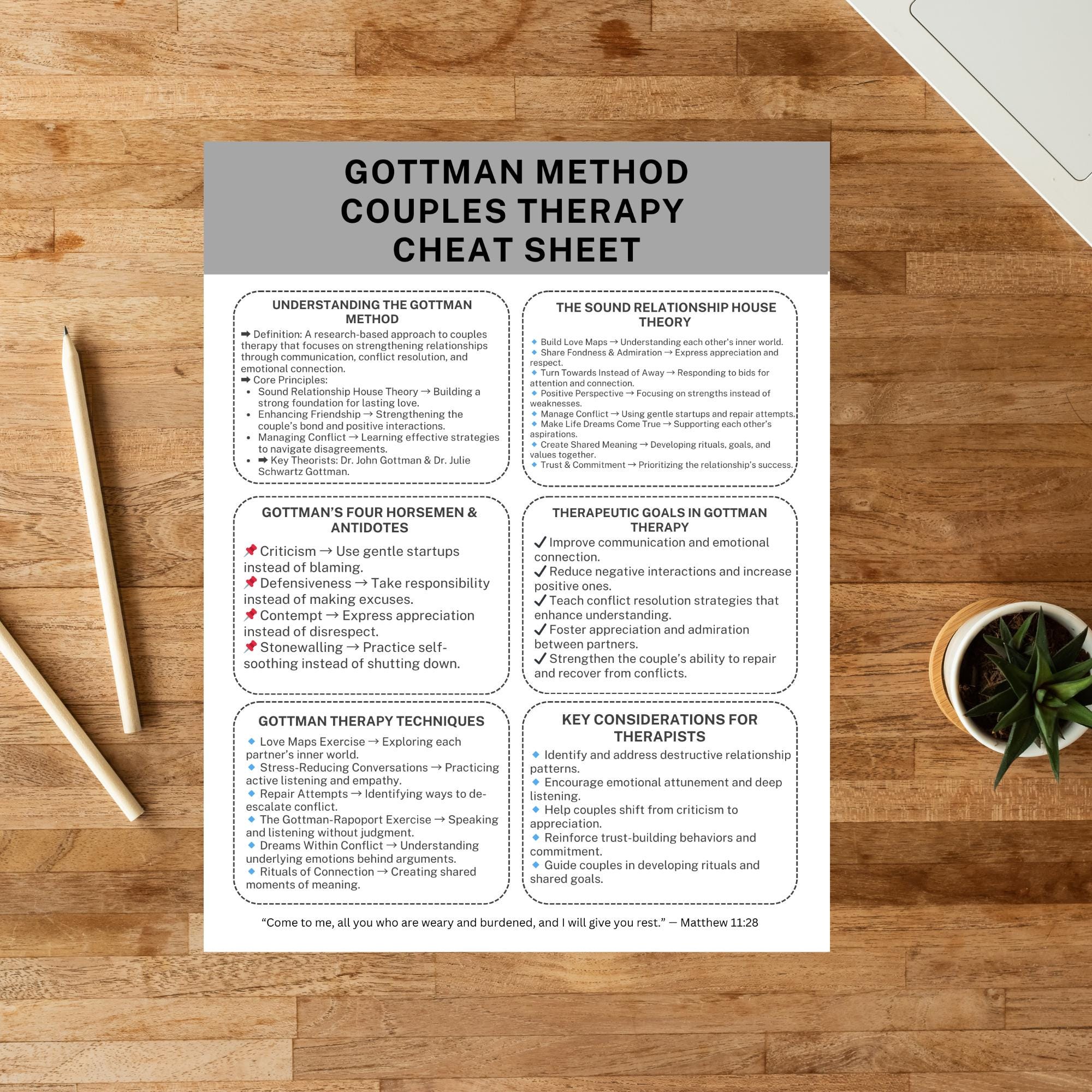
Gottman Couples Repair Checklist: Heal Your Bond
Every relationship experiences conflict. It is not the presence of arguments that predicts whether a couple will stay together, but rather how they repair after a disagreement. Even the most happily married couples say hurtful things or misinterpret each other. The difference lies in their ability to bridge the gap and reconnect. If you want to transform your dynamic, healing your relationship with the Gottman Couples Repair Checklist is one of the most effective, research-backed steps you can take.

Developed by renowned relationship researchers Drs. John and Julie Gottman, the repair checklist serves as a practical toolkit for moments of emotional distress. Instead of letting arguments spiral into contempt, defensiveness, or stonewalling, these verbal and non-verbal cues help partners hit the pause button and return to safety.
Understanding Relationship Flooding and Repair
During a heated argument, our bodies often enter a state of physiological arousal known as "flooding." Heart rates spike, adrenaline surges, and the brain's survival instinct kicks in. In this state, constructive problem-solving becomes biologically impossible. We either lash out defensively or shut down completely.
A "repair attempt" is any statement or action—from a sincere apology to a well-timed touch of humor—that prevents negativity from overwhelming the interaction. According to the Gottmans' decades of research, the success or failure of a relationship largely hinges on how well partners receive and execute these repair attempts during a conflict.
How to Use the Gottman Couples Repair Checklist
The official Gottman checklist is a comprehensive inventory of phrases, actions, and attitudes that couples can use before, during, and after an argument. To use it effectively, both partners should review the list during a calm moment when emotions are settled.
1. Select Your Personal Triggers and Preferred Phrases
Not every repair phrase resonates with every person. Sit down with your partner and look over common repair categories. Discuss which phrases feel most authentic to you and which ones you find most comforting when you are upset.
Common categories of repair attempts include:
- Taking responsibility: "I'm sorry," "That was my fault," or "I can see why you felt hurt by that."
- Applying the brakes: "Please slow down, I'm feeling overwhelmed," "Let's take a break for a few minutes," or "Can we start over?"
- Expressing appreciation and affection: "I know you mean well," "Thank you for listening," or a gentle touch on the arm.
- Humor and softening: Using a lighthearted tone or an inside joke to diffuse tension without invalidating the other person's feelings.
2. Practice De-escalation During Arguments

Once you are familiar with your preferred repair items, the real work begins in the heat of the moment. When you notice your chest tightening or your voice rising, deploy a repair attempt immediately.
For example, if you catch yourself interrupting, you might stop and say, "I'm sorry for cutting you off. Please continue, I want to hear your side." This small shift demonstrates vulnerability and immediately changes the emotional climate of the room.
3. Learn to Accept Repair Attempts
Giving a repair is only half the battle; you also have to accept them. When your partner offers an olive branch—even if it is clumsy or imperfect—your job is to meet them halfway. Rejecting a repair attempt keeps the cycle of hostility spinning.
If your partner says, "Can we take a breather?" instead of snapping back with, "No, we need to finish this now!" try saying, "Yes, let's take twenty minutes and then reconvene." Accepting the repair protects the connection over winning the argument.
Rebuilding Emotional Safety Over Time
Healing a strained relationship does not happen overnight. Consistently utilizing the Gottman Couples Repair Checklist rewires your relational habits. Over time, negative interaction cycles begin to shrink because you and your partner catch them earlier.
Furthermore, successful repairs build emotional safety. When you know that an argument will not result in permanent damage or emotional abandonment, you feel freer to express your true needs and vulnerabilities. The checklist acts as scaffolding, holding the relationship steady while you both learn healthier ways to love and communicate.
Next Steps for Your Partnership
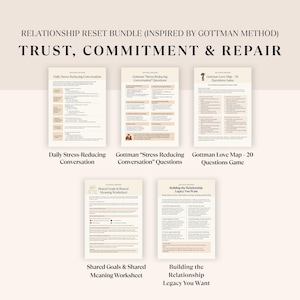
If you want to dive deeper into this framework, download a printable copy of the Gottman Repair Checklist online and review it together over a cup of coffee. Keep it accessible—perhaps taped inside a kitchen cabinet or saved on your phone. By making repair a deliberate, shared practice, you can turn inevitable conflicts into profound opportunities for deeper intimacy and lasting trust.