Grandiff Medical Supplies: What Inspectors Found
Understanding the Controversy Surrounding Grandiff Medical Supplies

In the fast-paced world of healthcare procurement, medical facilities rely heavily on third-party vendors to deliver sterile, compliant, and high-grade equipment. Recently, however, procurement managers and healthcare administrators have been sounding the alarm following startling regulatory discoveries regarding Grandiff medical supplies. What began as a routine batch inspection quickly escalated into a multi-agency inquiry, leaving hospitals and clinics scrambling to audit their inventory.
If your facility utilizes products sourced from this distributor, understanding the scope of the recent findings is vital for maintaining patient safety and regulatory compliance. This comprehensive report breaks down exactly what inspectors uncovered, the potential risks to patients, and actionable steps your organization can take right now.
The Investigation: What Authorities Discovered
The situation involving Grandiff medical supplies came to light during an unannounced audit by federal and state health inspectors. The regulatory bodies targeted distribution centers following anonymous whistleblower complaints alleging compromised sterilization processes and improper labeling.
Upon inspecting the warehouses, investigators documented several alarming infractions that immediately triggered a cascade of safety warnings. The violations extended beyond minor administrative oversights, pointing instead to systematic failures in quality assurance.
Compromised Sterility and Packaging Failures
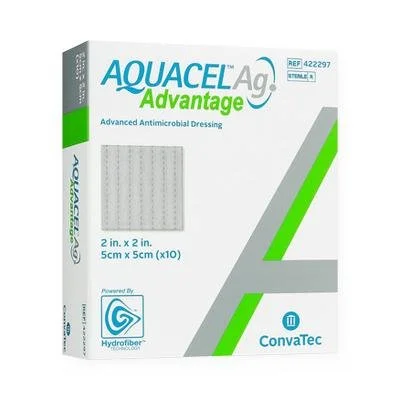
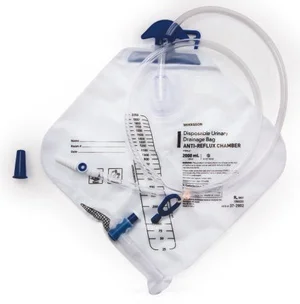
The most alarming discovery made by inspectors involved compromised sterile packaging. Medical consumables—such as surgical drapes, syringes, and wound care dressings—must maintain absolute sterility to prevent hospital-acquired infections (HAIs). Investigators found:
- Micro-punctures in outer barrier packaging due to rushed and improper automated sealing.
- Storage conditions that exposed sensitive materials to excessive humidity and fluctuating temperatures.
- Expired sterilization indicator strips that had been manually relabeled with extended shelf-life dates.
These breaches significantly elevate the risk of pathogen introduction during invasive procedures, threatening vulnerable patients with severe postoperative infections.
Substandard Raw Materials and Counterfeit Labeling
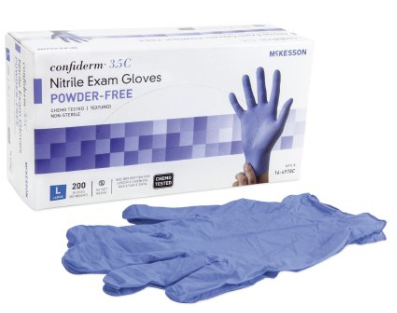
Beyond packaging issues, laboratory analysis of specific items within the Grandiff medical supplies inventory revealed troubling discrepancies regarding material composition. Samples of disposable PPE, including surgical masks and nitrile gloves, failed basic barrier-protection tests.
Furthermore, investigators uncovered evidence of fraudulent labeling. Several batches of medical-grade hardware bore certification marks from recognized standards organizations (such as the FDA and CE) without possessing the requisite testing documentation or regulatory approval. In essence, lower-grade commercial products were being repackaged and sold as certified clinical-grade equipment.
Video: How to Start a Medical Supply Business Online ( Step by Step ) | #MedicalSupply
Immediate Risks to Healthcare Providers and Patients
The implications of these findings extend far beyond regulatory penalties. When substandard or non-sterile equipment enters the clinical workflow, the consequences can be catastrophic for both patients and healthcare institutions.
Patient Safety Hazards
The primary concern is direct patient harm. Using compromised surgical supplies or faulty diagnostic tools can lead to:
- Surgical site infections requiring extended hospital stays or secondary operations.
- Allergic reactions or chemical dermatitis caused by unapproved manufacturing lubricants and residues in substandard gloves or tubing.
- Misdiagnoses resulting from faulty testing components or inaccurate measurement devices.
Legal and Liability Exposure for Clinics
For hospitals, ambulatory surgery centers, and private practices, utilizing non-compliant inventory opens the door to severe legal liability. Malpractice lawsuits, loss of accreditation, and devastating reputational damage often follow when a healthcare provider fails to vet its supply chain adequately.
Insurance providers may also deny coverage for adverse events if it is determined that the facility knowingly or negligently used recalled or unverified equipment.
Actionable Steps: What Your Facility Must Do Now
If your procurement department has purchased or received shipments from this vendor, immediate action is required. Do not wait for a formal recall notice to begin your internal audit.
- Quarantine All Inventory: Immediately halt the use of any products associated with the vendor. Move these items to a secure, locked quarantine area to prevent accidental clinical use.
- Perform a Supply Chain Audit: Review all purchase orders, invoices, and receiving logs from the past twelve months to identify the specific catalog numbers and lot numbers involved.
- Notify Clinical Staff: Inform nursing, surgical, and supply chain teams about the suspension of these items and provide a list of approved alternative brands.
- Report and Document: File an adverse event report with national regulatory bodies if any questionable products were already deployed in clinical settings.
Securing Your Supply Chain Moving Forward
The revelations surrounding Grandiff medical supplies serve as a stark reminder of the vulnerabilities inherent in modern medical logistics. Healthcare facilities must use this incident as an opportunity to tighten their vendor-qualification protocols.
Moving forward, procurement teams should demand full traceability certificates for every batch of consumables, conduct periodic spot-testing of sterile barriers, and establish direct communication channels with primary manufacturers rather than relying solely on secondary brokers. Protecting patient health starts long before a patient enters the operating room—it begins with absolute vigilance in the supply room.