Grant Blvd Syracuse NY Compliance Standard Guide
Maintaining real estate along one of the Northside’s busiest corridors requires a clear grasp of local municipal regulations. Whether you own a multi-family rental, manage a commercial storefront, or reside in a single-family home, adhering to the Grant Blvd Syracuse NY compliance standard is essential for protecting property values, ensuring tenant safety, and avoiding costly citations from the City of Syracuse Division of Code Enforcement.
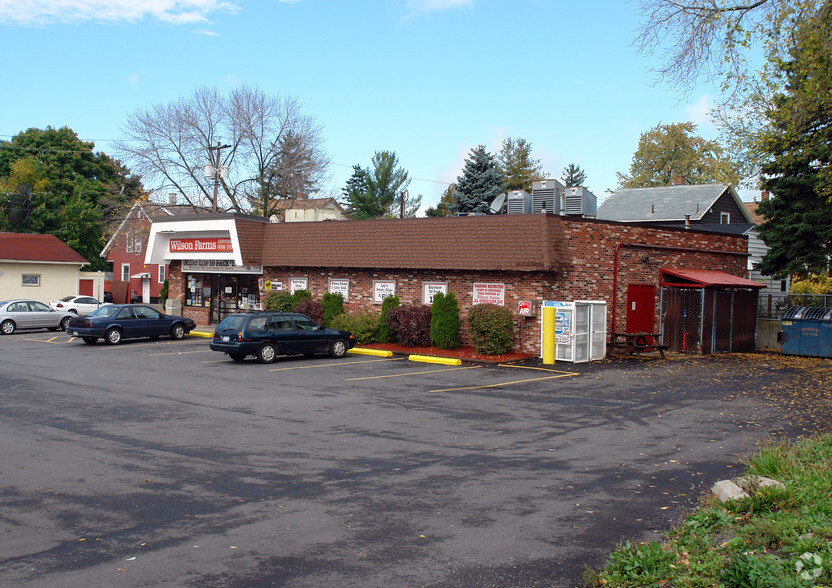
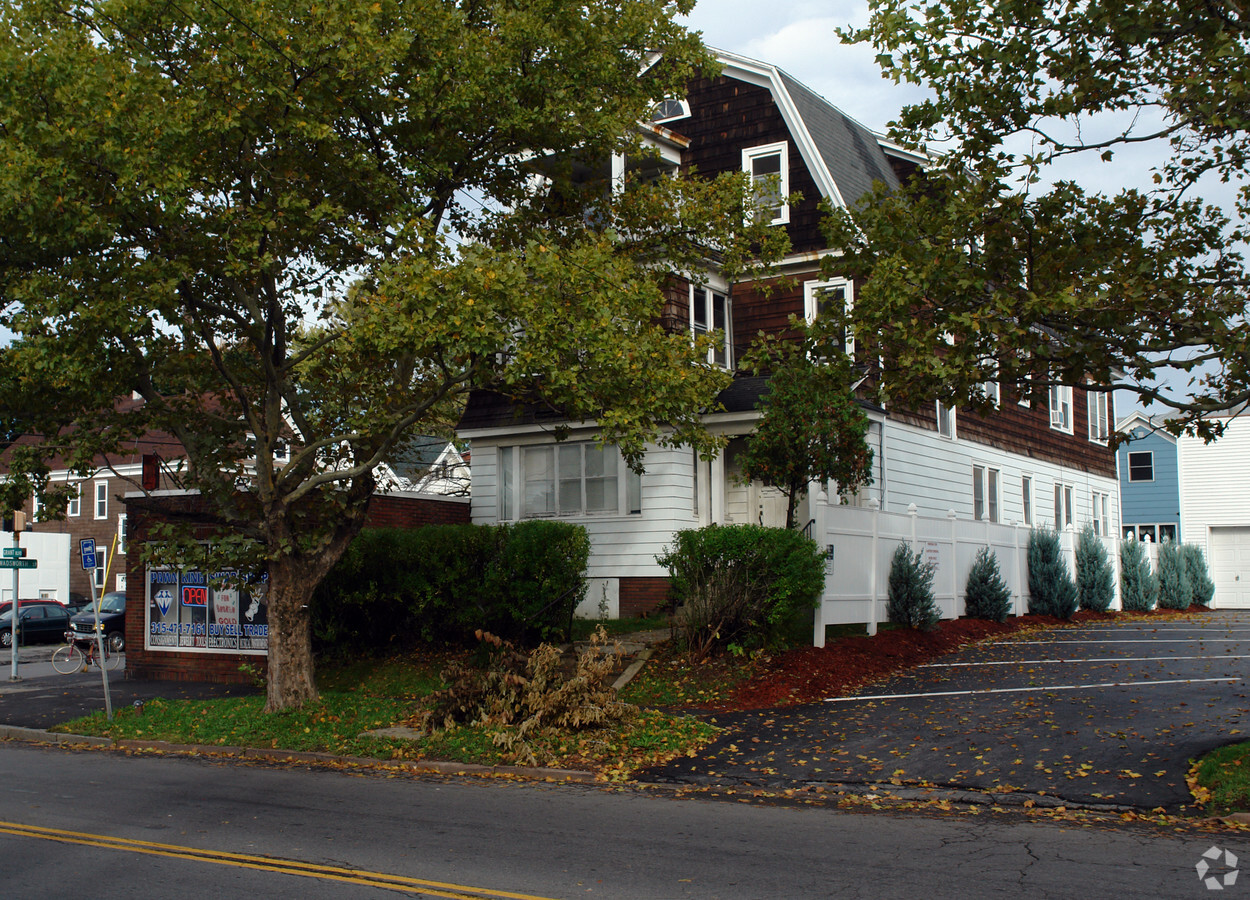
Grant Boulevard stretches across diverse neighborhoods, featuring architectural styles ranging from early 20th-century two-family flats to mixed-use commercial properties near major intersections like Teall Avenue and Butterfield Avenue. Because much of this housing stock was built before modern building codes were established, property owners face distinct compliance obligations enforced under both New York State Uniform Code and Syracuse local ordinances.
The Framework of the Grant Blvd Syracuse NY Compliance Standard
In Syracuse, municipal compliance is governed by the Department of Neighborhood and Business Development (NBD) through its Division of Code Enforcement. Properties along Grant Boulevard must meet standards outlined in the Syracuse Property Conservation Code, the New York State Uniform Fire Prevention and Building Code, and local health-safety mandates.
The baseline compliance standard covers structural integrity, safe mechanical systems, sanitation, and exterior upkeep. However, enforcement along primary residential corridors like Grant Boulevard frequently focuses on three critical operational areas: rental registries, lead-based paint remediation, and exterior lot maintenance.
1. Syracuse Rental Registry and Certificate of Compliance (CoC)
Under Syracuse law, any non-owner-occupied residential property (including one- and two-family homes and multi-family apartment buildings) must be registered with the City’s Rental Registry. Operating an unregistered rental property on Grant Boulevard exposes owners to municipal violations and prevents access to legal eviction proceedings if lease disputes arise.
- Rental Registration: Property owners must submit ownership details, local property manager contacts, and building information annually or upon title transfer.
- Certificate of Compliance (CoC): Multi-family properties (three units or more) and designated two-family rentals require periodic interior and exterior inspections to secure an active CoC. Inspectors examine smoke and carbon monoxide detectors, egress pathways, handrails, electrical panels, and plumbing systems.
- Re-inspection Cycles: CoCs generally require renewal every three years, or sooner if triggered by tenant complaints or structural alterations.
2. Syracuse Lead-Safe Housing Ordinance
Because the majority of structures on Grant Boulevard were constructed prior to the 1978 federal ban on consumer lead paint, lead safety represents a pillar of citywide compliance. Under the Syracuse Lead Poisoning Prevention Ordinance, property owners face stringent responsibilities:
- Interior Inspections: Rental inspections include checks for peeling, chipping, or flaking paint on window sills, doors, baseboards, and exterior porches.
- Dust Wipe Testing: When required by code enforcement or county health officials, units must pass dust wipe clearance examinations conducted by certified lead risk assessors.
- Lead-Safe Work Practices: Any renovation or paint stabilization disrupting more than minimal surface areas must be performed by EPA Lead-Safe Certified (RRP) contractors. Failing to contain lead dust during exterior porch painting or window replacement on Grant Boulevard can trigger immediate stop-work orders.
3. Exterior Lot and Structural Maintenance
The exterior presentation of properties along Grant Boulevard significantly affects the neighborhood fabric. Inspectors regularly cite properties for visible maintenance issues, which include:
- Porches and Decks: Front porches are a hallmark of Grant Boulevard architecture, but they are also primary targets for violations. Railings must be structurally sound (generally required for platforms over 30 inches above grade), steps must be intact, and structural posts cannot show rot or shifting footings.
- Roofs and Gutters: Roof surfaces must be watertight and free of missing shingles. Downspouts must direct rainwater away from adjacent properties and municipal sidewalks without causing pooling or icing.
- Windows and Glazing: Broken window panes, rotted frames, or missing storm window components fail inspection and degrade neighborhood energy efficiency.
Seasonal and Sanitation Standards

Compliance on Grant Boulevard is not limited to long-term structural repairs; daily and seasonal property maintenance falls under strict city oversight.
Snow and Ice Removal
Grant Boulevard experiences significant vehicle and pedestrian traffic, serving as a primary connector to schools, parks, and bus routes. Syracuse municipal code mandates that owners clear sidewalks abutting their property within 24 hours after a snowfall:
- Sidewalks must maintain a cleared width sufficient for pedestrian access and strollers.
- Property owners who fail to clear walks may be issued a fine or billed by the Department of Public Works (DPW) if city contractors are dispatched to clear the walkway.
Trash, Debris, and Bulk Setouts
Improper trash storage along Grant Boulevard attracts pests and triggers rapid code enforcement actions:
- Household trash must be kept in covered, city-compliant rolling carts until scheduled setout times.
- Containers may not be placed at the curb earlier than the evening prior to collection and must be returned to an inconspicuous location (behind the front building line) shortly after pickup.
- Bulk items (mattresses, furniture, appliances) require coordinated scheduling through the Syracuse Cityline portal; uncoordinated curbside dumping leads to immediate administrative citations.
Resolving Violations at the Bureau of Administrative Adjudication (BAA)
Failure to meet property maintenance standards along Grant Boulevard typically results in an initial Notice and Order to Comply from code enforcement. The notice specifies the violation, the remediation timeline (often 30 days for routine repairs, shorter for emergency safety hazards), and the reinspection date.
If the violation remains uncorrected, the city routes the matter to the Syracuse Bureau of Administrative Adjudication (BAA). The BAA serves as an administrative court specifically designed to handle code violations expeditiously. Penalties at the BAA can be severe:
- Civil Penalties: Daily fines accumulate for each day a cited violation remains uncorrected beyond the legal deadline.
- Administrative Fees: Re-inspection fees and legal service costs are assessed directly to the owner.
- Tax Liens: Unpaid fines and remediation costs incurred by the city are levied directly onto the property’s Onondaga County and City property tax bills, risking tax-foreclosure if left unresolved.
Best Practices for Property Owners on Grant Boulevard
Proactive asset management prevents costly enforcement action. Owners operating along Grant Boulevard should implement the following routines:
- Conduct Bi-Annual Walkthroughs: Inspect roofs, gutters, foundations, and porches in late spring and late autumn to catch weather-related deterioration early.
- Keep Tenant Documentation Organized: Retain signed lead hazard disclosure forms, smoke alarm verification forms, and maintenance request logs for every unit.
- Work with Licensed Contractors: Ensure all mechanical, structural, and electrical work is permitted through Syracuse City Hall prior to starting construction. Pulling permits automatically documents your compliance track record.
- Monitor the Syracuse Online Portal: Use the City of Syracuse IPS (Integrated Property System) portal to check the public status of your parcels, monitor upcoming inspection deadlines, and resolve complaints before they escalate.
By upholding the municipal compliance standard, landlords, homeowners, and business operators on Grant Boulevard protect their financial investment while actively contributing to the stability and revitalization of Syracuse’s historic Northside.