Greenville County Divorce Records: How to Find Them
Navigating the legal system to find specific court documents can feel overwhelming, especially when you are looking for sensitive family law documents. If you need to verify a dissolution of marriage, settle an estate, or handle legal paperwork, knowing how to properly access Greenville County divorce records is essential. Because divorce decrees and case files are managed locally through the South Carolina court system, knowing which office to contact will save you both time and frustration.

This comprehensive guide walks you through the exact steps required to locate, request, and obtain divorce records in Greenville County, South Carolina, detailing what information you need and what to expect during the process.
Understanding Greenville County Divorce Records
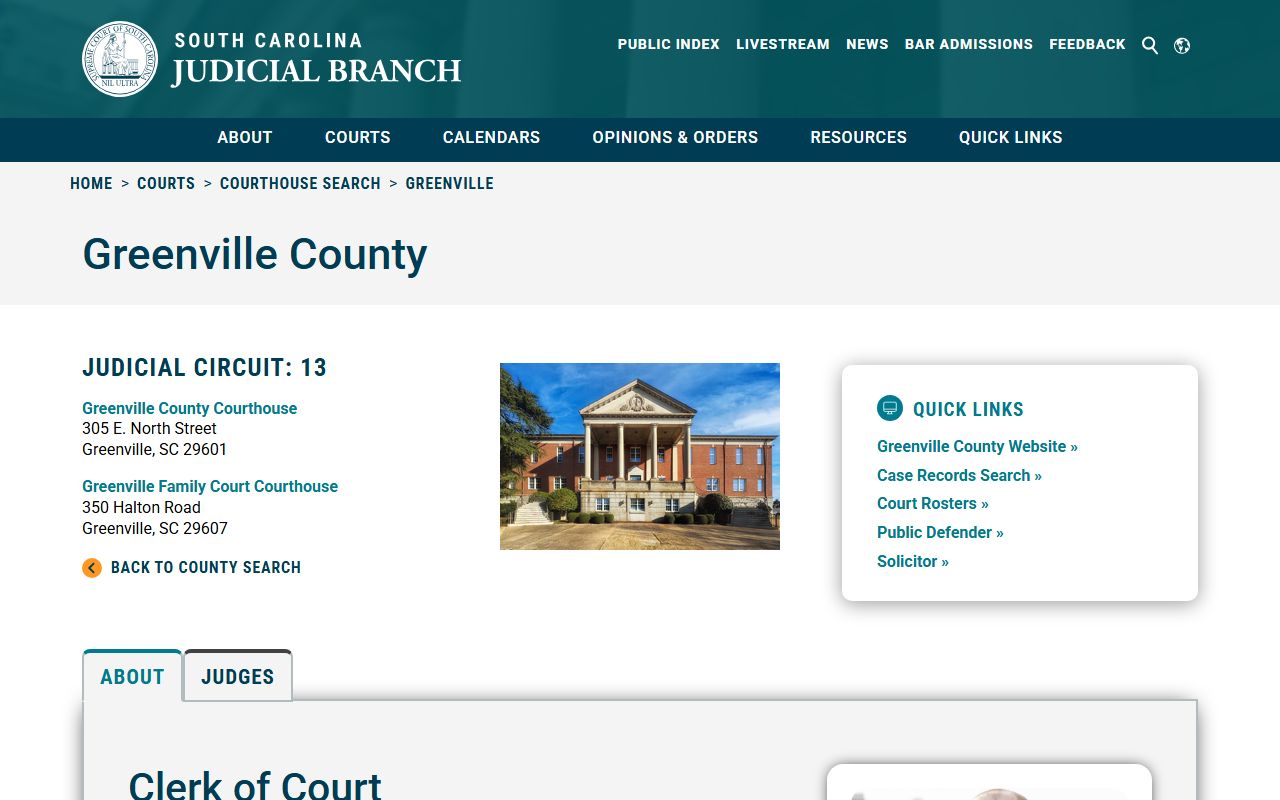
In South Carolina, divorces are handled by the Family Court system within each judicial circuit. For Greenville County, these records are maintained by the Greenville County Clerk of Court. Depending on what you are looking for, a file might contain the original complaint, temporary orders, financial declarations, and the final decree of divorce signed by a judge.
It is important to distinguish between a vital statistics record and a court case file:
- Divorce Certificate/Report: A summary document often used for vital statistics or brief verification, typically managed by the South Carolina Department of Health and Environmental Control (DHEC) for older events, though court decrees hold the primary legal weight.
- Divorce Decree/Case File: The complete legal file maintained by the Greenville County Clerk of Court. This contains the actual terms of the divorce, property divisions, and child custody arrangements.
How to Search for Records Online
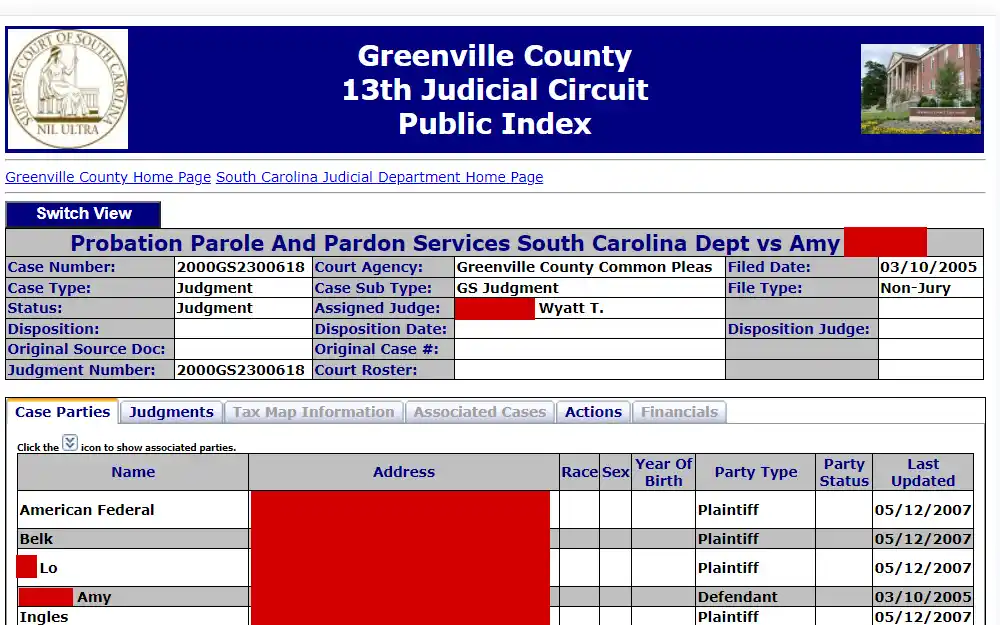
For individuals wanting to search from home, the South Carolina Judicial Department provides a public index for court records. You can check the public index to see if a divorce case exists and view a docket history.
- Visit the Official Portal: Go to the Greenville County Clerk of Court website or the South Carolina Court Records public search portal.
- Select the Proper Court: Choose Greenville County Family Court from the drop-down menu of available jurisdictions.
- Enter Search Criteria: Input the searchable parameters, such as the husband's or wife's name and approximate filing year. Keep in mind that middle names or exact spellings are crucial for accurate results.
- Review the Docket: The search results will display a list of matching cases, showing filing dates and docket events. However, the actual confidential documents (such as financial statements or psychological evaluations) are typically restricted from public online viewing to protect privacy.
Requesting Records In-Person or By Mail
If you need certified copies of a final divorce decree for legal, financial, or remarriage purposes, you will usually need to request them directly from the Greenville County Clerk of Court. Online dockets are helpful for reference, but official agencies generally require a certified physical or digital copy stamped by the court.
Video: Greenville County Council March 18, 2025
In-Person Requests
Visiting the courthouse is the fastest way to obtain a certified copy of a Greenville County divorce decree on the same day.
- Location: Greenville County Courthouse, 305 East North Street, Greenville, SC 29601.
- What to Bring: Case number (if known), names of both parties, approximate date of the divorce, and a valid photo ID. If you have the case number, retrieval takes significantly less time.
- Fees: The court charges standard fees for record searches and per-page copying or certification costs. It is best to bring cash, a debit/credit card, or a check made out to the Clerk of Court.
Mail-In Requests
If you cannot visit the office in person, you can submit a written request via mail.
- Written Details: Include a letter detailing the full names of the plaintiff and defendant, the marriage or divorce date, and the case number if you have it.
- Payment: Include a money order or cashier's check covering the search and copy fees. Contact the clerk's office beforehand to confirm the exact fee structure.
- Return Envelope: Include a self-addressed, stamped envelope for the court to mail your documents back to you.
Privacy and Public Access Restrictions
While court records are generally public under South Carolina law, family court records have stricter privacy safeguards than civil or criminal courts. Because divorces often involve sensitive matters such as minor children, alimony, and private financial assets, judges frequently seal specific exhibits or financial declarations.
Furthermore, general members of the public can view basic docket information, but certain sealed documents can only be accessed by the parties involved in the case or their legal counsel. If a file is sealed, you may need to file a formal motion with the Family Court requesting permission from a judge to view the contents.
Tips for a Successful Search
To ensure your search for Greenville County divorce records goes smoothly, keep these practical tips in mind:
- Double-Check Spellings: Maiden names, hyphenated surnames, and common spelling variations can hide a record from your initial search. Try searching by last name only if you are not finding results.
- Know the Years: If the divorce occurred decades ago, the records might have been archived off-site or transferred to historical microfilms, requiring assistance from archival staff.
- Call Ahead: Court hours, fee schedules, and processing procedures can change. A quick phone call to the Greenville County Clerk of Court Family Division can clarify current payment methods and document turnaround times.