Greg Williams Acrisure Details: $10M Pay Launch
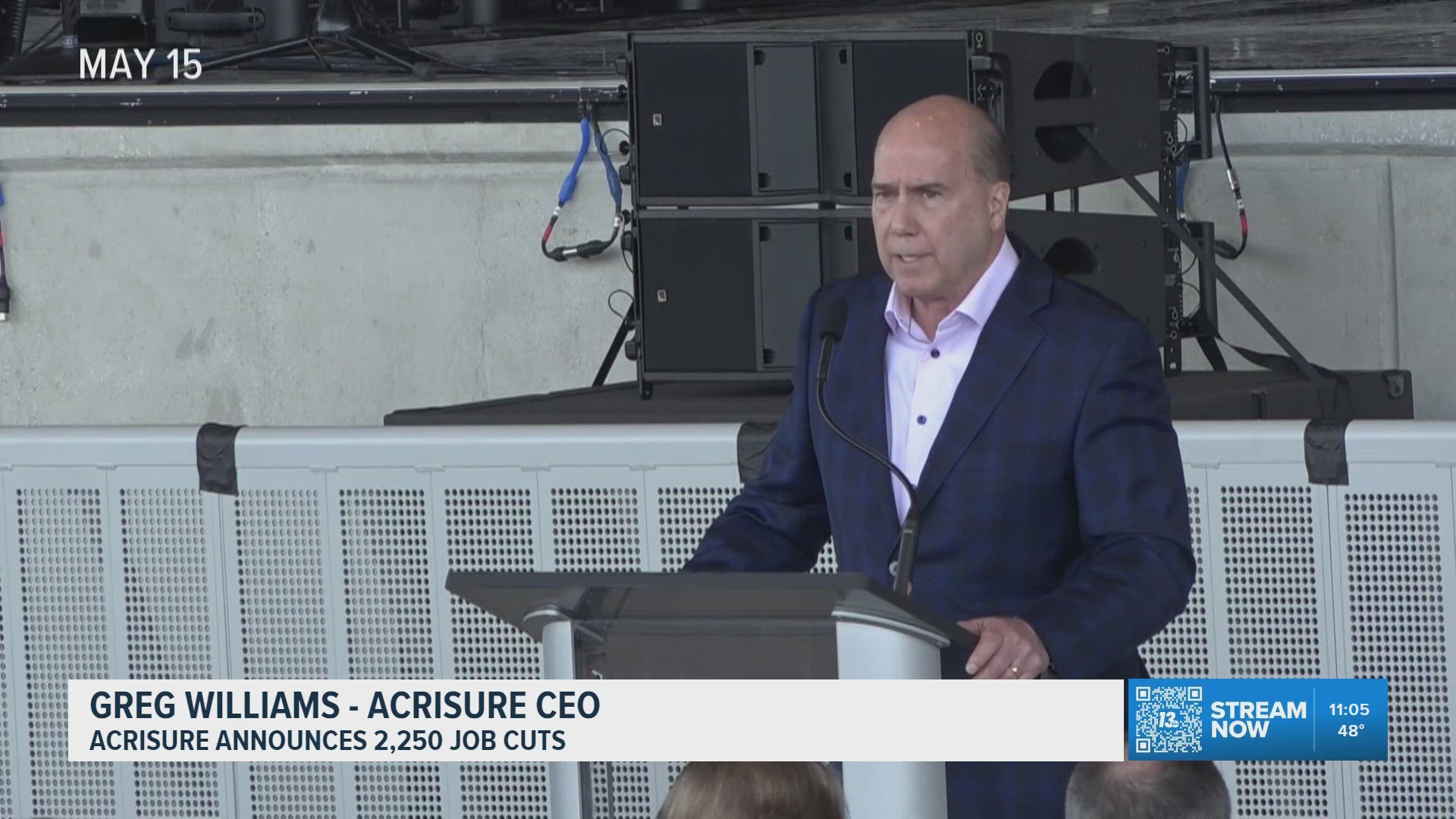
When corporate finance meets modern collegiate athletics, transformative deals happen. As market analysts and athletic directors unpack the Greg Williams Acrisure details – the $10M pay launch ignites college sports in new direction, moving the ecosystem away from erratic booster pools and toward structured corporate sponsorship. Acrisure, the global fintech and insurance brokerage giant led by co-founder, Chairman, and CEO Greg Williams, has steadily grown its presence across major sports venues and programs. Now, this multi-million-dollar commitment marks a decisive shift in how brands directly finance athlete brand development, institutional athletic programs, and modern commercial partnerships.

The Architect: Greg Williams and Acrisure’s Sports Expansion
Greg Williams has spent the last two decades transforming Acrisure from a regional Michigan insurance firm into a global fintech powerhouse valued at tens of billions of dollars. Known for combining human expertise with proprietary artificial intelligence, the company has increasingly leveraged high-visibility sports marketing to establish household name recognition.
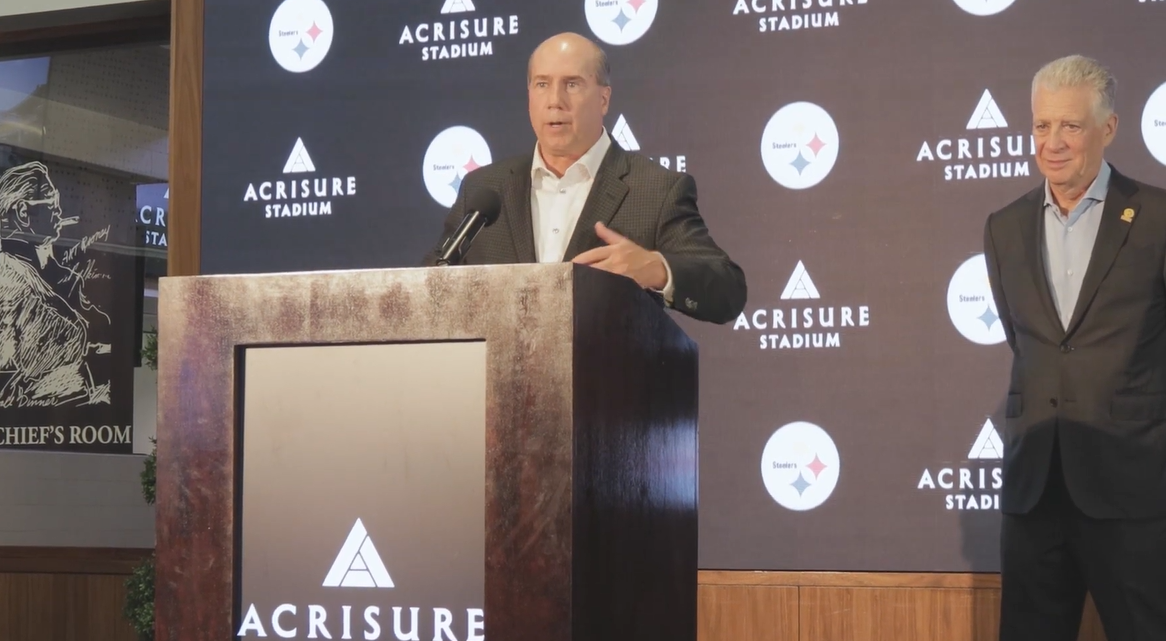
Acrisure first commanded international athletic attention in 2022 when it secured the naming rights to the historic home of the Pittsburgh Steelers and the University of Pittsburgh Panthers, re-christening Heinz Field as Acrisure Stadium. Rather than treating stadium rights as a passive billboard, Williams viewed sports as a direct channel for sustained community engagement and multi-layered branding. This foundational philosophy now underpins Acrisure’s direct entry into athlete compensation and collegiate event architecture.
Greg Williams Acrisure Details – The $10M Pay Launch Ignites College Sports in New Direction
The core of this landmark $10 million initiative revolves around integrating collegiate athletes into legitimate enterprise marketing frameworks, rather than relying on the gray-area booster collectives that have defined the early Name, Image, and Likeness (NIL) era. By deploying substantial capital across college sports ecosystems, Williams has laid out a clear blueprint for sustainable athletic funding.
1. Structured Commercial Endorsements
Unlike early NIL deals that offered large payouts for minimal deliverables, Acrisure’s strategy links athlete compensation to concrete marketing objectives, brand ambassador campaigns, and technological service promotions. Student-athletes participate in enterprise-level media campaigns, financial literacy programs, and localized client engagements, delivering authentic return on investment (ROI) for the corporation.
2. Event Creation and Multi-Team In-Season Tournaments
A significant portion of the capital supports high-profile collegiate showcases, such as the Acrisure Classic, the Acrisure Invitational, and related multi-team college basketball tournaments. These events create centralized stages where student-athletes receive national television exposure while participating programs secure guaranteed tournament payouts and corporate-supported compensation packages.
3. Long-Term Athletic Department Support
Rather than functioning strictly as a third-party collective, the initiative aligns with athletic departments to modernize facilities, support women’s athletic programs, and fund professional development initiatives for non-revenue sports. This dual focus ensures the capital does not simply inflate payrolls for high-profile football and basketball recruits, but elevates the institutional brand as a whole.
Corporate Sponsorship vs. Booster Collectives: A Crucial Evolution
For decades, college sports relied on wealthy alumni writing tax-deductible checks to university booster clubs. When the NCAA allowed NIL in 2021, those same boosters organized external collectives to distribute cash to top recruits, often creating bidding wars detached from institutional oversight.
The entry of corporations like Acrisure introduces financial discipline to an unregulated environment. The table below illustrates how corporate-led models diverge from traditional collective funding:
- Sustainability: Booster funds depend on personal wealth and seasonal enthusiasm. Corporate deals rely on recurring enterprise marketing budgets tied to measurable commercial outcomes.
- Compliance and Transparency: Traditional collectives often operated in legal gray zones. Acrisure’s corporate approach involves transparent contracts, clear deliverables, tax withholding, and FTC compliance.
- Broad-Spectrum Inclusion: Collectives heavily prioritize revenue-generating male sports. Corporate models frequently activate Olympic athletes and women’s sports stars who demonstrate high digital engagement and authentic brand affinity.
Implications for the Post-House Settlement NCAA Era
The timing of Acrisure’s $10 million collegiate push coincides with sweeping legal and structural changes across American college athletics. With the historic House v. NCAA settlement paving the way for institutional revenue sharing, universities will soon be legally permitted to pay student-athletes directly from broadcast and ticketing revenue, capped at an estimated $20–$22 million per school annually.
However, that institutional cap will not cover the true market value of elite talent across an entire 20-sport athletic department. Schools must rely on third-party commercial deals to bridge the gap. Acrisure’s institutional approach shows athletic directors how to partner with global financial brands rather than relying on unregulated donor pools to supplement revenue sharing.
Why Athletic Directors Welcome the Shift
- Reduced Pressure on Donors: Major alumni donors can redirect their gifts toward capital projects, academic endowments, and long-term facility bonds instead of funding annual player acquisition costs.
- Professionalized Athlete Relations: Student-athletes gain real-world exposure to corporate contracts, intellectual property protection, and business networking, better preparing them for life after college sports.
- Market Stability: Multi-year corporate contracts provide consistent cash flow, mitigating the transfer portal chaos caused by sudden collective insolvency.
What Lies Ahead for Acrisure and College Athletics
Greg Williams has consistently argued that modernization is mandatory for any legacy business to survive, whether in insurance, financial technology, or collegiate athletics. By taking a proactive $10 million stance in college sports, Acrisure is cementing its brand with a massive demographic of young athletes, alumni networks, and collegiate sports fans nationwide.
As more Fortune 500 companies take notice of this model, college athletics will continue moving closer to the professional sports franchise model, complete with corporate partners, verified financial audits, and contracted brand ambassadors. The details behind Greg Williams and Acrisure’s initiative confirm that the future of college athlete compensation belongs to transparent, corporate-backed enterprise—not the backroom booster checks of the past.