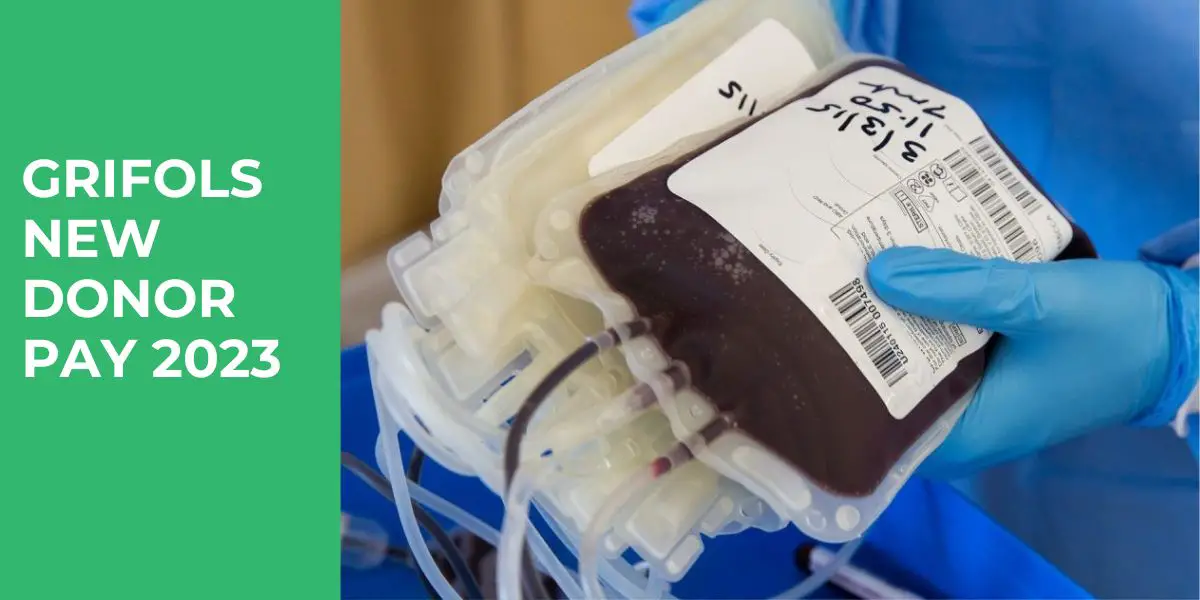
Grifols Biomat USA Chicago: The Dark Side of Donating
Understanding the Reality of Plasma Donation in Chicago

For many residents facing tight financial constraints, commercial plasma donation centers offer a quick way to make extra cash. Among the prominent names in the industry, Grifols Biomat USA - Plasma Donation Center Chicago locations draw a steady stream of donors every day. Billed as a life-saving contribution that puts money in your pocket, the reality inside these clinics is often far more complex and grueling than the marketing campaigns suggest.
While the financial incentive is immediate, the physical and operational realities can take a heavy toll. Before you roll up your sleeve for your next payout, it is important to look beyond the promotional flyers and examine the actual experiences of regular donors, the physical side effects, and the systemic issues surrounding commercialized plasma collection.
The Allure of Quick Cash vs. The Physical Toll
The primary draw for most donors is simple: money. In a major metropolitan area like Chicago, the cost of living makes supplemental income a necessity for many. New donor bonuses can look attractive, promising hundreds of dollars for your first few visits. However, this money comes at a price paid directly by your body.
Dehydration, Fatigue, and Nutrient Depletion
Unlike whole blood donation—which typically occurs every 56 days—plasma can be donated up to twice a week under U.S. Food and Drug Administration (FDA) guidelines. This high frequency places a tremendous strain on the human body.
Plasma is mostly water, proteins, and electrolytes. When you undergo plasmapheresis, your blood is drawn, the plasma is separated, and your red blood cells are returned to you along with a saline solution. Repeatedly cycling through this process leads to several recurring issues:
- Chronic Fatigue: Donors frequently report feeling exhausted for 24 to 48 hours following a donation, making work or school difficult.
- Protein Loss: Because plasma is rich in vital proteins, frequent donation can deplete your body's protein stores, impacting your immune system and overall vitality.
- Electrolyte Imbalance: The rapid loss of fluids and salts can cause dizziness, muscle cramps, and headaches.
- Slightly elevated or lowered blood pressure readings
- Low protein or hematocrit levels on the day of the test
- Minor changes in weight or hydration status
- Prioritize Hydration: Drink massive amounts of water in the 24 hours leading up to your appointment.
- Eat Clean, Protein-Rich Meals: Stock up on lean meats, eggs, and leafy greens to help your body recover lost proteins.
- Listen to Your Body: If you feel dizzy, excessively weak, or notice persistent bruising, take an extended break from donating.
Inside Grifols Biomat USA: What Donors Experience
Walking into a busy Chicago plasma center can be an intimidating experience. Long wait times are a frequent complaint among regular visitors. What is advertised as a quick, one-hour process easily stretches into a three-hour ordeal once you factor in lines, physical screenings, and the automated draw time.
Vein Damage and Scarring

The physical equipment used in plasmapheresis requires large-gauge needles to facilitate a rapid blood flow. Over time, repeated punctures in the exact same spot create tough scar tissue. This condition, often referred to in the community as "track marks," can make finding a viable vein increasingly difficult for phlebotomists. In worst-case scenarios, blown veins can lead to painful bruising, hematomas, and permanent vascular damage.
The Rollercoaster of Deferrals
Donors rely on predictable payouts to budget their lives, but center policies can disrupt those plans instantly. You can pass the initial health screening all week, only to be deferred on your second visit due to:
When you are deferred, you walk away empty-handed after spending hours waiting in line, highlighting the precarious nature of relying on plasma donation as a stable income source.
Targeting Vulnerable Populations
A critical ethical concern surrounding commercial plasma collection in urban centers is the demographic makeup of the donor base. Facilities like Grifols Biomat USA are disproportionately located in lower-income neighborhoods. Critics argue that the multi-billion-dollar plasma protein industry preys on economically vulnerable individuals who feel they have no other choice to make rent or buy groceries.
While executives and pharmaceutical companies profit immensely from manufacturing specialty therapeutics derived from human plasma, the everyday donors bear 100% of the physical risks associated with harvesting that raw material.
Weighing the Risks Before You Donate
Deciding whether to donate plasma at a Chicago facility is a personal choice, but it should be made with your eyes wide open. If you do choose to donate at Grifols Biomat USA, protect your health by taking specific precautions:
Ultimately, while plasma saves lives, the commercialized model operating in urban centers demands a heavy physical investment from people who are often just trying to get by.