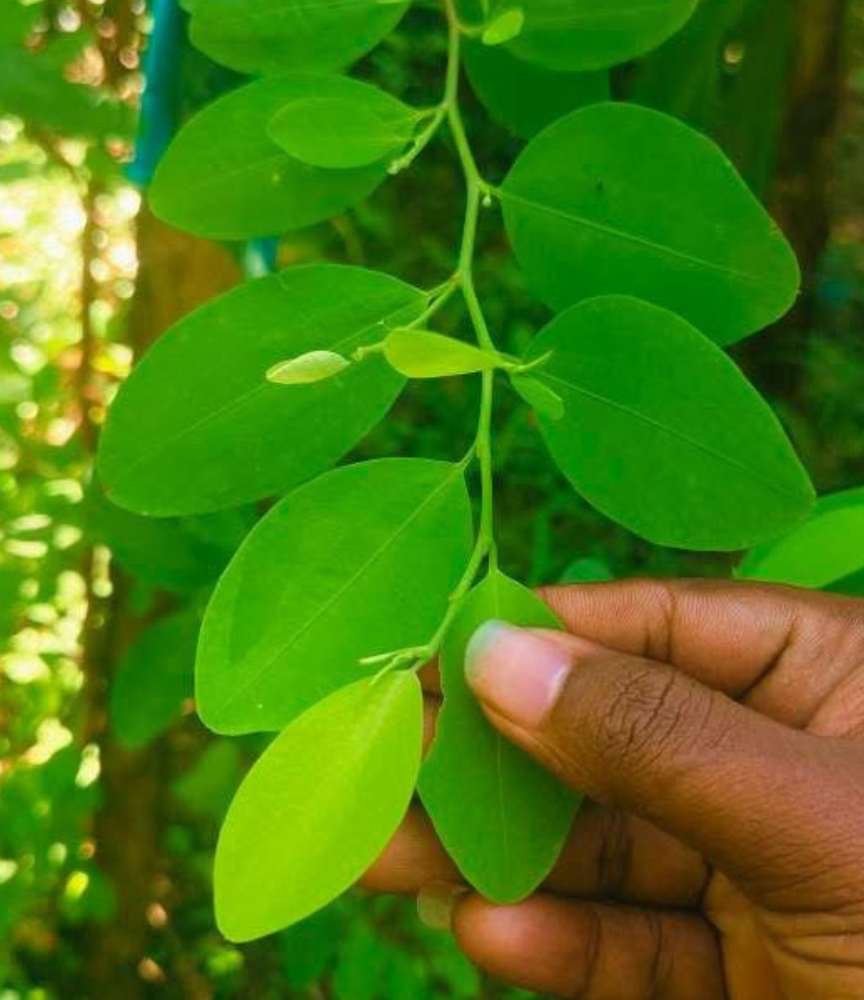
Growing Coca Plant Seeds: Risks and Reality
Introduction to the Coca Plant

The coca plant, scientifically known as Erythroxylum coca, is one of the most culturally significant and legally restricted flora species on Earth. Native to the western Amazon and the Andean highlands of South America, this unassuming shrub has sustained indigenous communities for thousands of years. However, outside its native range, acquiring coca plant seeds is a federal offense in many jurisdictions, carrying severe penalties.
Despite the legal risks, a subculture of botanical enthusiasts, researchers, and illicit operators attempt to cultivate the plant every year. To understand this phenomenon, we must look beyond the controversy and examine the botany, history, and legal realities surrounding coca cultivation.
What is the Coca Plant?
The coca plant is a woody shrub that typically grows between 6 and 9 feet tall. It thrives in warm, humid, and acidic environments, particularly on the eastern slopes of the Andes mountains. The plant produces small, yellowish-white flowers that develop into oblong red berries containing a single seed.
The leaves of the plant are its defining feature. They contain a complex profile of alkaloids, most notably cocaine. While raw coca leaves contain only a small percentage of this alkaloid (typically between 0.25% and 0.77%), chemical processing transforms these compounds into the illicit drug cocaine hydrochloride. This chemical extraction process is the primary reason why international treaties and domestic laws strictly control the distribution of the plant and its seeds.
Traditional Uses and Cultural Significance
Long before the advent of modern chemistry, indigenous Andean civilizations revered the coca plant as a sacred medicine and gift from the gods. Traditional uses include:
- Altitude Sickness Relief: Chewing the leaves or brewing them into a tea (mate de coca) helps combat hypoxia, fatigue, and cold temperatures in high-altitude environments.
- Nutritional Supplement: The leaves contain essential vitamins, minerals, and calcium, acting as a mild dietary supplement.
- Social and Ritual Practices: Coca leaves play an integral role in community bonding, religious offerings, and traditional ceremonies.
In countries like Bolivia and Peru, the legal cultivation of coca for traditional, medicinal, and industrial purposes is protected by law, even though the export of raw leaves and derivatives remains heavily regulated.
Why Are People Risking Jail to Grow Coca Plant Seeds?
In nations like the United States, the United Kingdom, and most of Europe, Erythroxylum coca is classified as a Schedule I or Class A controlled substance. Importing, possessing, or germinating coca plant seeds can result in felony charges, hefty fines, and lengthy prison sentences. Yet, black-market seed vendors continue to operate, and adventurous gardeners continue to buy.
1. Botanical Curiosity and Rare Plant Collecting
The plant kingdom features millions of species, and extreme horticulturalists are often drawn to the rare, the difficult, and the forbidden. For advanced botanists and greenhouse hobbyists, successfully germinating a plant with such a complex and controversial history represents the ultimate horticultural challenge.

2. Medicinal and Therapeutic Exploration
Some alternative medicine advocates argue that the demonization of the whole plant is unjustified. They point out that chewing raw coca leaves is no more harmful than drinking coffee and does not produce the intense addiction associated with processed cocaine. These individuals seek to grow the plant for personal herbal remedies, unaware of or indifferent to the legal ramifications.
3. Financial Incentives in Illicit Markets
On a larger, more organized scale, individuals attempt to grow coca outside of South America to bypass international drug cartels and establish local supply chains. The astronomical street value of refined cocaine provides a powerful financial incentive for criminal enterprises to experiment with micro-cultivation in greenhouses or hidden indoor grow rooms across North America and Europe.
The Legal and Agricultural Reality
Attempting to grow coca outside of its native ecosystem is fraught with difficulties, both legal and biological.
Legal Consequences
Law enforcement agencies monitor international mail services for illicit seed shipments. Customs and border protection utilize advanced screening technologies and agricultural inspectors to intercept seeds coming from South America. Being caught importing or cultivating coca seeds is treated similarly to possessing the finished drug, often leading to federal prosecution.
Horticultural Challenges
Even if an illegal grower manages to acquire viable seeds and evade law enforcement, cultivating Erythroxylum coca outside the Andes is exceptionally difficult. The plant requires very specific environmental conditions:
- High humidity and consistent tropical temperatures.
- Acidic, well-draining soil rich in organic matter.
- Specific mycorrhizal fungi found naturally in Andean soils, which can be difficult to replicate indoors.
Without these precise conditions, the seeds fail to germinate, or the resulting shrubs wither and die within months.
Conclusion
The allure of the coca plant lies at the intersection of ancient tradition, botanical fascination, and modern prohibition. While indigenous communities in the Andes continue to use the plant legally and sustainably, attempting to cultivate it elsewhere through illicitly obtained seeds brings severe legal penalties and steep horticultural hurdles. Ultimately, the risks of jail time and prosecution far outweigh the rewards for anyone tempted to grow this controversial shrub.