H1B Lottery Results 2024: What Happened and Next Steps
Navigating the United States work visa landscape is notoriously stressful, and for thousands of applicants and employers, tracking the h1b lottery results 2024 was a high-stakes process. United States Citizenship and Immigration Services (USCIS) introduced several crucial updates for the fiscal year (FY) 2025 cap season—which selected registrations submitted in early 2024—aimed at curbing fraud and shifting toward a beneficiary-centric selection model.

Understanding how the 2024 lottery unfolded, what the selection statistics reveal, and what options remain for those who were not chosen is essential for foreign professionals and human resources teams alike.
Overview of the H1B Lottery Results 2024
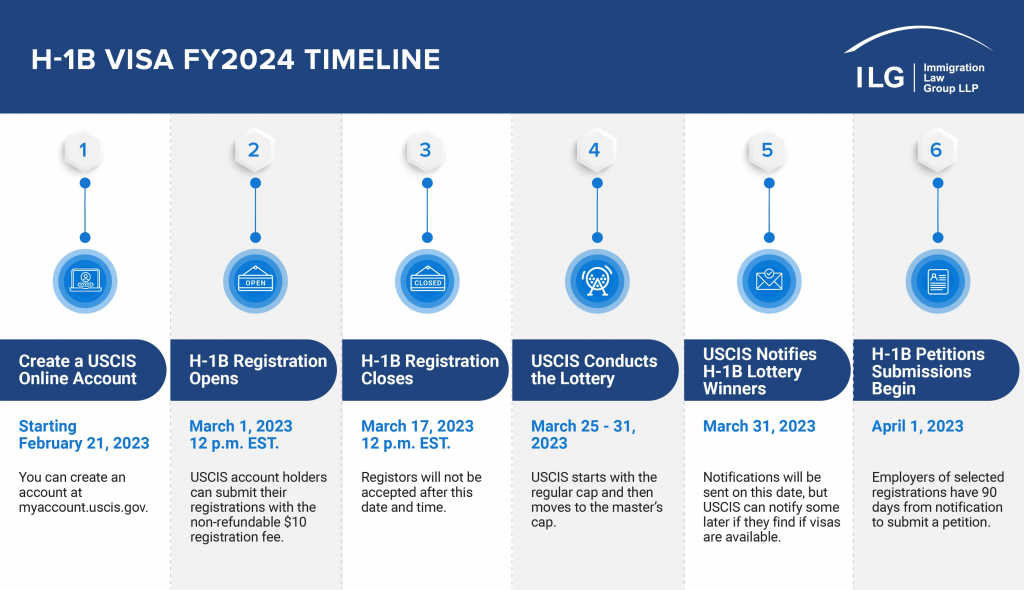
The registration window for the FY 2025 H-1B cap ran from March 6, 2024, to March 25, 2024. Following a temporary system maintenance period, USCIS announced that the random selection process (the lottery) was complete by the end of March, with online accounts updated to reflect status changes by April 1, 2024.
Unlike previous years where multiple registrations submitted by different employers for the same individual drastically skewed selection odds, the 2024 lottery instituted a beneficiary-centric approach. Under this new rule, each unique beneficiary was entered into the selection pool only once, regardless of how many eligible registrations were submitted on their behalf. This fundamental shift altered the mathematics of the lottery and provided a more equitable chance for individual applicants.
Key Statistics and Selection Rates
While the total number of available H-1B visas remains strictly capped by Congress at 65,000 for the regular cap and an additional 20,000 for the advanced degree exemption (master's cap), the volume of registrations dictates the true competitiveness of the draw.
- Total Registrations: USCIS received a significantly lower volume of total registrations in 2024 compared to the record-breaking numbers of 2023, largely due to the crackdown on multiple submissions.
- Selection Rounds: Unlike the previous fiscal year, which required multiple rounds of random selection to meet the congressionally mandated cap, USCIS announced that enough beneficiaries were selected in the initial March draw to meet the FY 2025 limits.
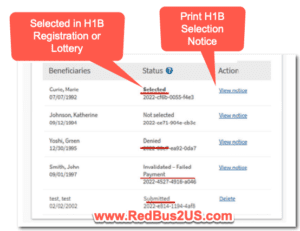
- Account Statuses: Employers checked their organizational accounts for three main designations: Submitted, Selected, or Denied (in cases of duplicate or invalid payments).
Understanding Your USCIS Online Account Status
For applicants and employers who participated, interpreting the digital notices in the USCIS portal was the first critical task after the h1b lottery results 2024 were released.
Video: How to check H1B Lottery RESULTS ?? 2024

- Selected: This status meant the beneficiary was eligible to have an H-1B petition filed on their behalf. Employers received an official selection notice detailing the filing window—typically April 1 through June 30, 2024—during which they had to submit the complete Form I-129 petition.
- Not Selected: For those who saw this status, it meant their registration was not chosen in the initial random selection. However, employers were advised to keep records, as accounts would theoretically update if USCIS needed to run a secondary lottery (though a second round ultimately did not take place for the 2024 cap).
- Denied / Invalidated: This status applied to registrations with payment issues or those flagged under the new anti-fraud measures for multiple submissions under fraudulent conditions.
- Cap-Exempt H-1B Employment: Non-profit research institutions, governmental research organizations, and institutions of higher education are exempt from the annual cap. Candidates can apply for cap-exempt H-1B positions at any time of the year.
- F-1 Extensions and OPT: Students currently on F-1 visas who qualified for the STEM OPT extension could extend their work authorization and try their luck in a future lottery cycle.
- L-1 Intracompany Transferee Visa: Multinational corporations often transfer employees who have worked abroad for at least one continuous year in a managerial, executive, or specialized knowledge capacity to a U.S. office.
- O-1 Visa for Individuals with Extraordinary Ability: Professionals with a sustained national or international acclaim in sciences, arts, education, business, or athletics can bypass the lottery entirely if they meet strict evidentiary criteria.
- Day-1 CPT Programs: Some international workers enroll in Curricular Practical Training (CPT) academic programs that permit employment while maintaining an F-1 student status.
Next Steps for Selected Petitioners
Being selected in the lottery is only the first hurdle; it does not guarantee visa approval. Selected employers and their immigration legal counsel immediately pivoted to preparing the actual petition package during the 90-day filing window.
The petition requires establishing that the position qualifies as a specialty occupation and that the beneficiary possesses the requisite educational background or equivalent experience. Employers must also ensure the certified Labor Condition Application (LCA) from the Department of Labor is properly included. USCIS began adjudicating these premium and regular processing petitions throughout the spring and summer of 2024.
What to Do If You Were Not Selected
Failing to secure a selection in the H-1B lottery is disappointing, but it is rarely the end of the road for skilled foreign nationals. Employers and candidates quickly evaluated alternative pathways to maintain work authorization or legal status in the United States:
Looking Ahead to Future Cap Seasons
The structural changes implemented for the h1b lottery results 2024 successfully reduced systemic abuse and created a fairer playing field. USCIS has signaled its intent to continue refining the electronic registration system, potentially introducing further beneficiary-focused enhancements in future cap cycles.
Both employers and prospective applicants should maintain proactive communication with experienced immigration attorneys to monitor policy updates, prepare documentation well in advance of the spring registration windows, and build robust contingency plans should the lottery not fall in their favor.