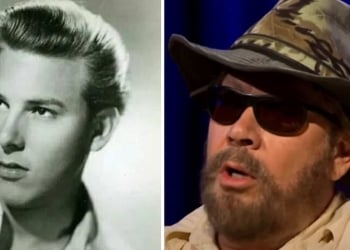
Hank Williams Jr. Accident: The Fall That Changed Music
Introduction

Country music history is filled with dramatic tales of heartbreak, triumph, and tragedy, but few stories match the sheer physical and psychological resilience required after the infamous Hank Williams Jr. accident. On August 8, 1975, the iconic singer-songwriter suffered a near-fatal fall on Montana's Ajax Mountain that nearly ended his life at just 26 years old.
While his legendary father, Hank Williams Sr., met an untimely death at age 29, the younger Williams faced his own brush with mortality high in the Rocky Mountains. The harrowing incident, the grueling years of reconstructive surgery, and his eventual triumphant return to the stage fundamentally transformed him from a struggling legacy act into a Stetson-wearing, bearded outlaw country superstar.
The Fateful Day on Ajax Mountain
In the summer of 1975, Hank Williams Jr. was looking for an escape. He was attempting to reinvent his artistic identity away from the shadow of his famous father, but personal struggles and career frustrations weighed heavily on him. Seeking solace in the great outdoors, he embarked on a pack trip in Montana's rugged wilderness.
On August 8, Williams and a small group of companions were climbing Ajax Mountain, near Jackson, Montana. What was supposed to be a peaceful afternoon of mountaineering turned into a nightmare in a matter of seconds.
What Happened During the Fall?
While navigating a treacherous, snow-slicked slope near the top of the mountain, the ground beneath Williams gave way. He lost his footing and tumbled down a sheer 500-foot cliff. The fall was violent, and he slammed into rocks and boulders on his descent before finally coming to a devastating stop.
The physical toll of the impact was catastrophic:
- Multiple severe facial fractures
- A shattered skull and exposed brain matter
- A broken nose and crushed jaw
- Severe trauma to his right eye socket
- Numerous broken bones and internal injuries
Miraculously, members of his climbing party and rescue crews reached him in time. Williams was rushed to a hospital in Missoula, Montana, where doctors performed emergency brain surgery that lasted for over seven hours. For a time, family and friends prepared for the worst.
The Long and Painful Recovery
Video: Hank Williams Jr. Talks About the Accident That Almost Killed Him

Surviving the initial fall was only the first hurdle. The aftermath of the Hank Williams Jr. accident plunged the young artist into a grueling, multi-year recovery process that tested every ounce of his mental and physical fortitude.
Williams spent months in hospitals and rehabilitation facilities. Because of the extensive trauma to his face, he underwent numerous reconstructive surgeries to rebuild his jaw, nose, and orbital bones. For a man who made his living singing to thousands of fans, the uncertainty of whether he would ever speak normally again—let alone sing—was agonizing.
Rebuilding Body and Mind
The psychological scars were just as deep as the physical ones. Williams struggled with depression, self-doubt, and the terrifying realization of how close he had come to death. During his recovery, he grew a thick beard and began wearing sunglasses and hats—a distinct visual shift that was initially meant to conceal the severe facial scarring and protect his sensitive eyes from sunlight.
However, those very accessories quickly became his trademark look. They signaled a new persona: tough, weathered, and entirely unapologetic.
The Musical Transformation
Before the accident, Williams had largely performed mainstream, polished country music, often leaning heavily on singing his father's classic catalog. The trauma of the fall, however, ignited a fierce fire inside him. It gave him a unique perspective on life and a renewed sense of artistic independence.
When he finally returned to the recording studio and the stage, he wasn't trying to live up to his father's ghost anymore. Instead, he forged his own path by blending traditional country with Southern rock and blues. This gritty new sound resonated deeply with blue-collar audiences and laid the groundwork for the outlaw country movement alongside artists like Waylon Jennings and Willie Nelson.
Milestones After the Recovery
- Album Releases: Albums like Hank Williams Jr. and Friends (1975) and Rowdy (1981) showcased his harder-edged, rock-influenced country sound.
- CMA Awards: He achieved massive commercial success, winning the Country Music Association's prestigious Entertainer of the Year award multiple times in the late 1980s.
- Cultural Legacy: His anthems, including "All My Rowdy Friends Are Coming Over Tonight," became cultural staples, famously opening Monday Night Football broadcasts for decades.
Conclusion
The Hank Williams Jr. accident remains one of the most defining turning points in country music history. What could have easily been a tragic conclusion turned out to be a violent rebirth. By surviving a 500-foot fall down Ajax Mountain, enduring grueling reconstructive surgeries, and redefining his musical style, Hank Williams Jr. carved out a legendary, independent legacy entirely his own.