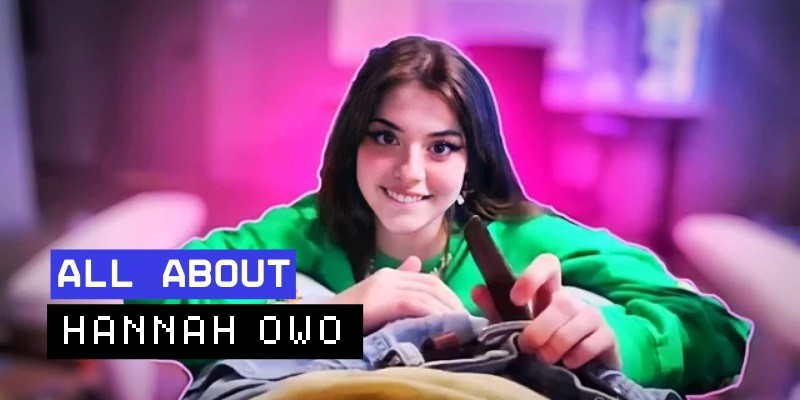
Hannah Owo’s Secret Photos Expose: The Truth
In the fast-paced world of internet culture, viral rumors and trending topics can explode across social media platforms within minutes. One of the most frequently searched terms in recent years revolves around the digital footprint and alleged leaks of popular content creators. Among these, the query "Hannah Owo’s secret photos expose: The shocking truth" continues to pull significant search volume on platforms like Google, TikTok, and X (formerly Twitter).

For fans and casual observers alike, distinguishing between internet fabrication, clickbait, and actual security breaches is essential. This article takes a deep dive into how these viral moments are manufactured, the realities of creator privacy, and why internet users should approach sensationalized headlines with caution.
Understanding the Viral Phenomenon
Hannah Owo (often styled as Aethelthryth or Hannah Owuh) rose to mainstream prominence as a prominent TikTok creator and Twitch streamer before expanding her digital presence to subscription-based platforms. Because of her massive online following, her personal life and digital assets are constantly scrutinized by millions of followers and opportunistic actors alike.
Whenever a high-profile influencer gains traction, bad actors often take advantage of their visibility. Clickbait websites, rogue forums, and malicious social media accounts routinely exploit search engine optimization (SEO) by using sensational titles to drive traffic. The phrase "Hannah Owo’s secret photos expose" is a classic example of a high-intent keyword engineered primarily to capture curiosity rather than deliver verified investigative journalism.
The Mechanics Behind "Expose" Culture
Why do these rumors spread so quickly? Online drama and supposed "exposes" thrive due to specific psychological and technological factors:
- Algorithmic Amplification: Social media algorithms reward engagement. When users click, share, or comment on a rumor—even to deny it—the algorithm pushes the content to an even wider audience.
- Malicious Clickbait: Many websites use provocative headlines to lure users into clicking links that lead to adware, malware, or phishing scams rather than actual media.
- Deepfakes and Altered Content: With the rapid advancement of artificial intelligence and photo-editing tools, generating realistic-looking fabricated images has become easier than ever.
The Reality of Creator Privacy and Data Security

Digital privacy is a critical issue for modern content creators. High-profile figures frequently face targeted harassment, doxxing attempts, and unauthorized data breaches. However, it is vital to separate actual security incidents from coordinated misinformation campaigns.
When a creator experiences a genuine breach, privacy commissioners, law enforcement, and major platforms typically take swift action to remove unauthorized content. Conversely, when a trend persists solely as a rumor mill fueled by anonymous accounts on forums, it usually points toward fabricated gossip rather than a legitimate data leak.
How to Protect Yourself Online
The conversation surrounding creator leaks also highlights broader lessons about digital literacy and cybersecurity for everyday internet users. Whether you are a public figure or an ordinary netizen, protecting your digital identity requires proactive steps:
- Avoid Suspicious Links: Clicking on links promising "exclusive" or "leaked" content is one of the leading ways users compromise their devices with malware.
- Enable Two-Factor Authentication (2FA): Secure all personal accounts with robust passwords and 2FA to prevent unauthorized access.
- Verify Sources: Always look for credible, mainstream news outlets or direct statements from the individuals involved before believing viral claims.
Conclusion
The curiosity surrounding the Hannah Owo’s secret photos expose: The shocking truth highlights a darker side of modern internet culture—where sensationalism often outweighs facts. As digital consumers, understanding how clickbait operates and maintaining healthy skepticism toward viral rumors helps create a safer, more responsible online ecosystem. Always prioritize verified sources and respect the digital boundaries of online creators.