Harvester Ant vs Fire Ant: Key Differences Explained
Harvester Ant vs Fire Ant: Understanding the Differences

When you spot red ants crawling through your lawn or patio, it is easy to lump them into a single category of outdoor pests. However, confusing a harvester ant with a fire ant can lead to the wrong treatment methods and vastly different physical consequences if you happen to get bitten. While both species share a reddish coloration and prefer warm, sunny climates, their behaviors, mound styles, venom toxicity, and ecological roles are distinct.
Property owners, gardeners, and outdoor enthusiasts benefit greatly from knowing how to tell these two stinging insects apart. Whether you are trying to protect your pets, manage your landscape, or treat a painful sting, understanding the core differences between harvester ants and fire ants is essential.
Physical Appearance and Identification
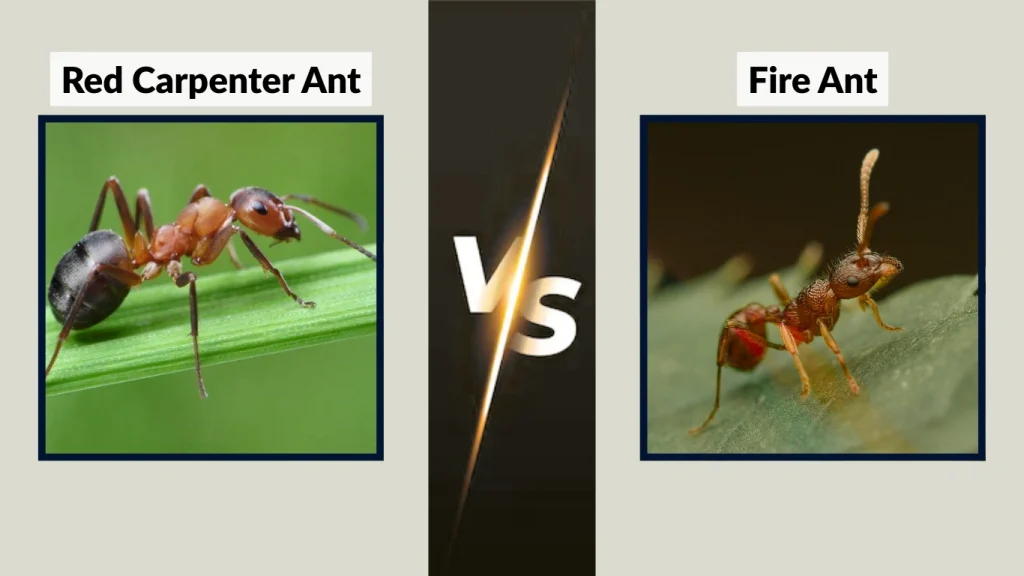
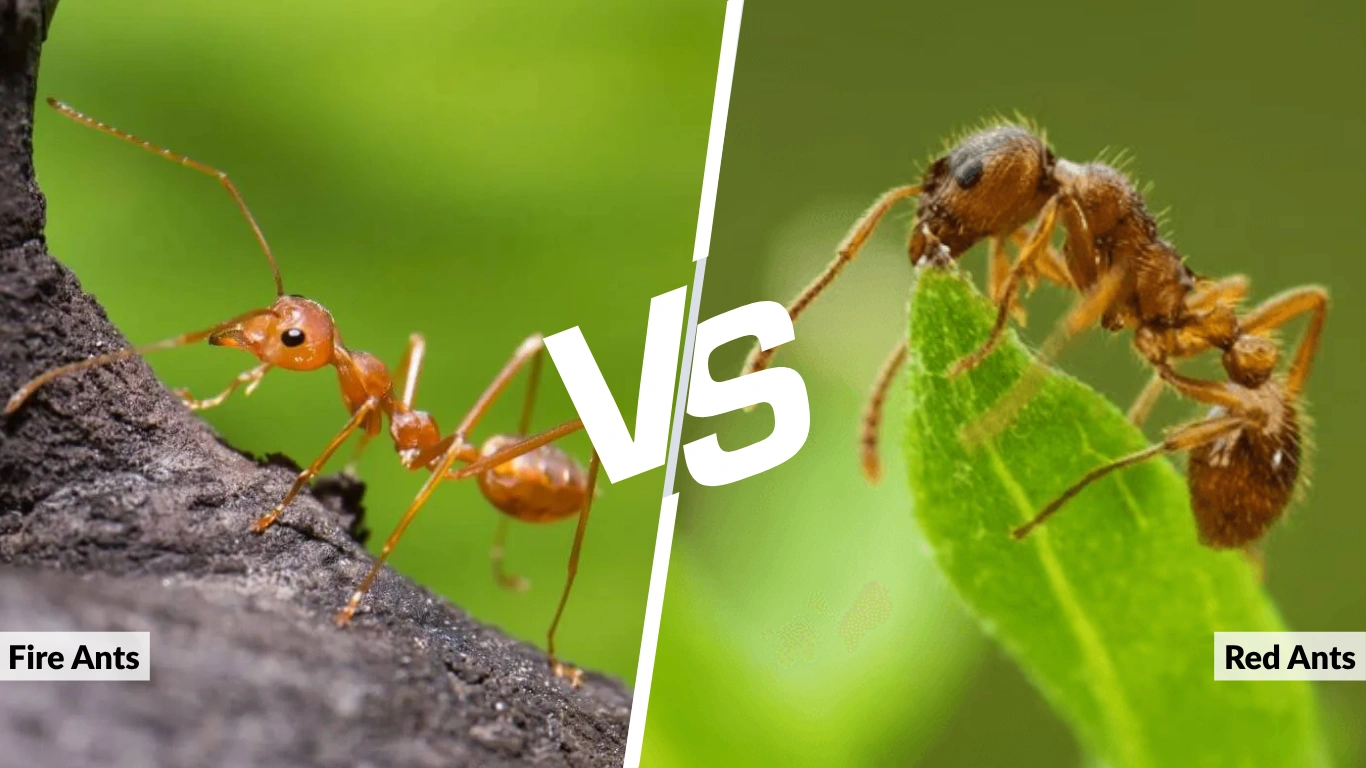
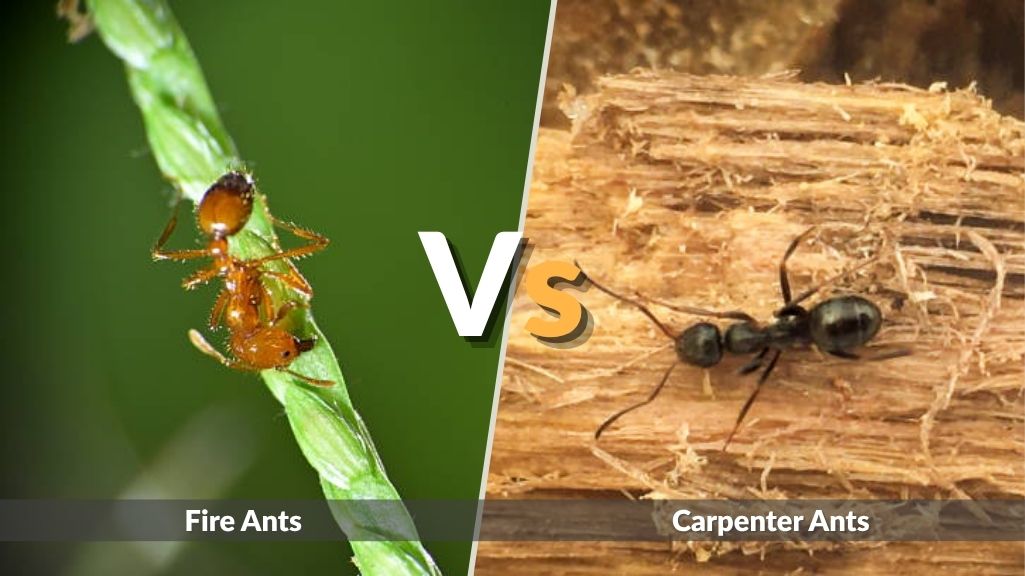
At first glance, both harvester ants and fire ants can appear reddish-brown, which is why people frequently misidentify them. A closer examination reveals distinct anatomical traits that set them apart.
Fire Ant Characteristics
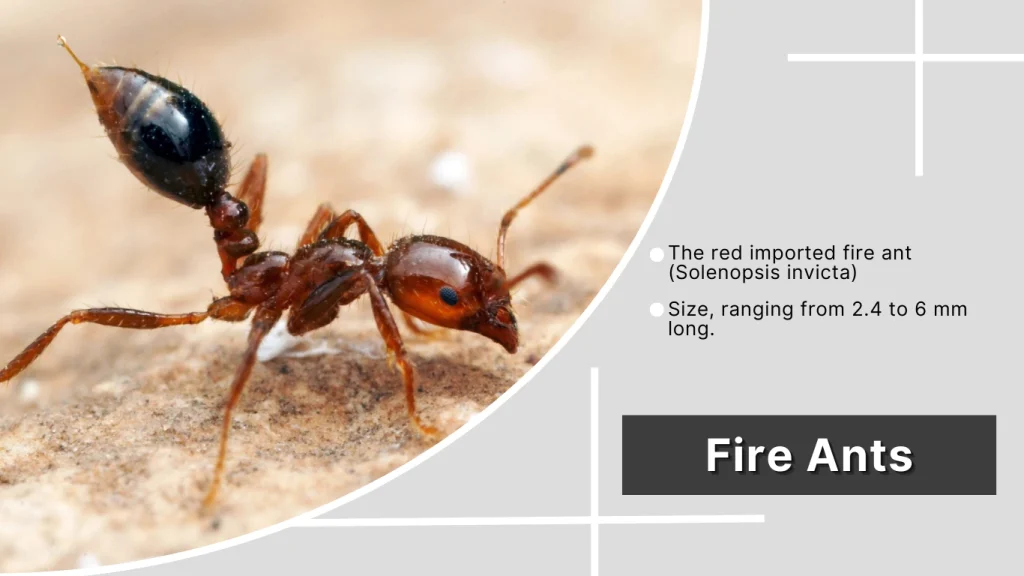
Imported red fire ants (Solenopsis invicta) are notably small, ranging from 1/16 to 1/4 of an inch in length. What makes them unique is their physical variation within the same colony; workers come in multiple sizes (polymorphic). They feature a coppery-brown head and body with a darker abdomen. Their bodies are smooth, glossy, and equipped with a visible stinger at the rear.
Harvester Ant Characteristics
Harvester ants (genus Pogonomyrmex) are generally larger and much more uniform in size, usually measuring between 1/4 and 1/2 of an inch long. They often appear dark red, rust-colored, or sometimes brownish-black. Their bodies are chunkier and appear less glossy than fire ants. A key identifier is the presence of a 'beard' of long hairs under their heads, which they use to brush debris and clear dirt from their nest openings.
Nest Construction and Habitat
The way these ants build their homes provides one of the easiest ways to identify which species has invaded your property.
- Fire Ant Mounds: Fire ants build dome-shaped mounds of loose, fine soil in open, sunny areas. These mounds typically do not have a visible entrance hole at the top. Instead, the workers forage underground and emerge through tunnels radiating away from the base.
- Harvester Ant Mounds: Harvester ants build flat, disc-shaped mounds that are often cleared of all surrounding vegetation in a wide circle. The surface of a harvester ant nest is frequently covered with a layer of small pebbles, gravel, or coarse plant debris, and they usually feature one or more distinct, crescent-shaped entrance holes.
Diet and Ecological Role
Dietary habits dictate how these ants interact with your garden and why they choose specific locations for their colonies.
Harvester ants earned their name because they primarily gather and store seeds. They forage along distinct, cleared trails leading away from their nests, collecting grass seeds and grains to store in underground chambers called granaries. While they can occasionally scavenge dead insects, seeds form the foundation of their diet. Ecologically, they play a vital role in seed dispersal and soil aeration in arid and semi-arid regions.
Fire ants, on the other hand, are aggressive, opportunistic omnivores. They feed on a wide variety of foods, including other insects, earthworms, ticks, honeydew produced by aphids, sweet liquids, and greasy substances. Because they actively hunt and consume other pests, some farmers initially welcomed them, but their aggressive swarming habits quickly outweighed agricultural benefits.

Bites, Stings, and Venom Toxicity
The most immediate and painful distinction between the two insects involves their defensive mechanisms and venom.
Fire Ant Stings
Fire ants do not technically bite to inject venom; instead, they anchor themselves to the skin with their mandibles and inject a potent alkaloid venom using a rear stinger. They typically sting repeatedly in a circular pattern. A fire ant sting causes an immediate, intense burning sensation—hence their name. Within 24 hours, the sting develops into a sterile, white pustule, which can easily become infected if scratched open.
Harvester Ant Stings
Harvester ants possess some of the most toxic insect venom in the insect world, ranking higher on the Schmidt Sting Pain Index than honeybees and fire ants. Their sting is intensely painful, sharp, and throbbing, often leaving a long-lasting ache that can radiate up an arm or leg. Fortunately, harvester ants are much less aggressive than fire ants and will only sting when directly handled, stepped on, or when their nest is severely disturbed.
Medical Risks and Allergies
Both ant species can pose serious health risks to sensitive individuals.
Fire ants attack in large numbers. When a mound is disturbed, hundreds of workers swarm up legs and simultaneously sting on command. This can trigger severe allergic reactions, anaphylaxis, or systemic toxicity in vulnerable people, children, or pets.
Harvester ants deliver a potent neurotoxic venom per single sting, but because they are solitary attackers rather than swarming aggressors, multiple stings are less common unless a person falls directly onto a nest. Allergic reactions to either species require immediate medical attention.
Pest Control and Management Strategies
Because their behaviors differ, extermination and management tactics must be tailored to the specific ant species.
- Targeted Baiting: Fire ants respond well to slow-acting bait formulations. Worker ants carry the bait back to the queen, effectively wiping out the entire colony from within.
- Individual Mound Treatment: For harvester ants, which are ecologically beneficial in native grasslands and rarely invade homes in large indoor numbers, spot-treatment of nuisance mounds with approved insecticides or boiling water is usually sufficient if they are located near high-traffic play areas.
- Preventative Barriers: Clearing tall grass, sealing home entry points, and keeping pet food stored securely can deter both species from establishing colonies near human structures.
Summary: Which Ant Have You Found?
Distinguishing between harvester ants and fire ants comes down to size, nest design, and temperament. Fire ants are small, aggressive, build soft dirt domes, and inflict burning stings that form pustules. Harvester ants are larger, slower to anger, build pebble-covered disc mounds, and pack a deeply painful, singular punch. Proper identification ensures you use the safest and most effective approach to manage your outdoor space.