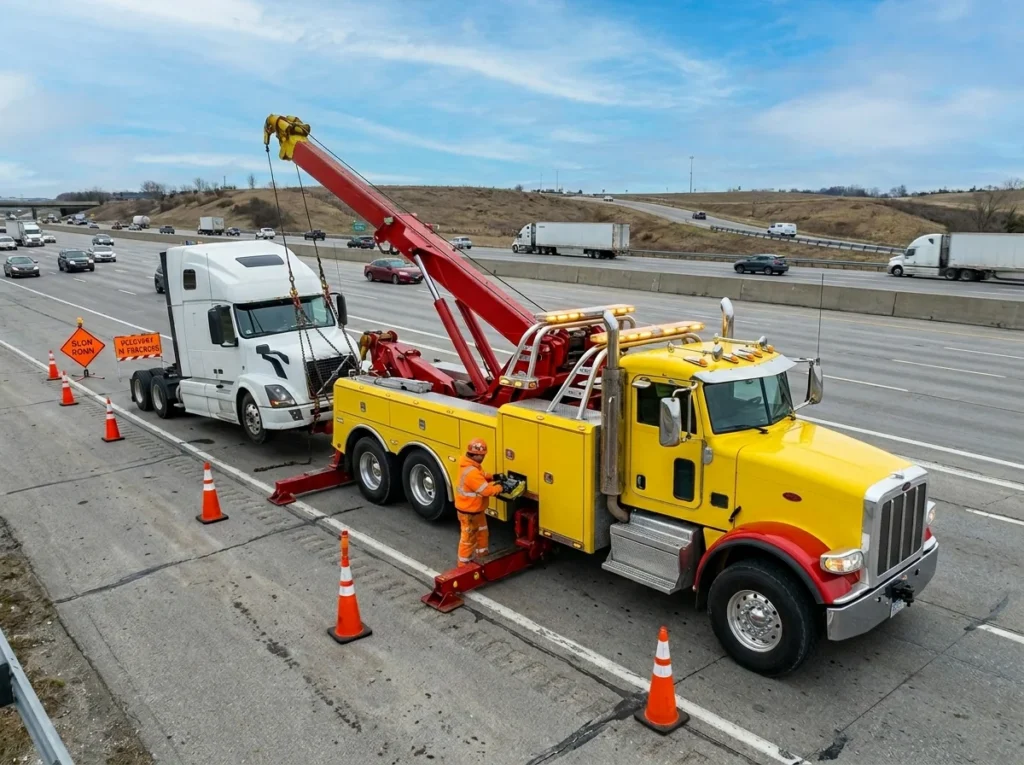
Heavy Duty Wrecker Driver Jobs: Pay & Requirements
Stepping into the world of commercial recovery is not for the faint of heart. When an 80,000-pound semi-truck rolls over on a busy interstate, local traffic halts, and the pressure mounts instantly. For those looking at heavy duty wrecker driver jobs, this high-stakes environment is just another Tuesday on the job.

Unlike light-duty towing, which mostly involves moving standard passenger cars, heavy-duty towing and recovery requires specialized mechanical knowledge, advanced rigging skills, and nerves of steel. If you are considering a career operating rotators and heavy wreckers, here is a comprehensive look at what the job entails, what qualifications you need, and what you can expect to earn.
What Does a Heavy Duty Wrecker Driver Do?
A heavy duty wrecker operator is responsible for recovering, towing, and transporting large commercial vehicles. This includes semi-trucks, transit buses, dump trucks, construction equipment, and occasionally multi-trailer rigs. The role goes far beyond simply hooking up a tow bar; it is an exercise in applied physics and heavy machinery operation.
Core Daily Responsibilities
- Operating heavy-duty integrated wreckers and rotating cranes (rotators).
- Rigging overturned or compromised commercial vehicles safely to prevent further damage.
- Working closely with state troopers, fire departments, and hazardous material teams during accident cleanups.
- Performing roadside mechanical diagnostics, tire changes, or air-brake repairs for stranded commercial fleets.
- Completing detailed impound inventories, electronic logging device (ELD) compliance logs, and incident reports.
Heavy Duty Wrecker Driver Jobs Requirements
Because you are managing massive pieces of machinery on public roadways, employers hold candidates to a high standard of safety, experience, and licensing. You cannot simply step out of driving a sedan into the cab of a 50-ton rotator.
Commercial Driver's License (CDL)
Almost all heavy duty wrecker driver jobs require a Class A Commercial Driver's License (CDL). Furthermore, because you will be hauling air-brake-equipped vehicles and potentially operating specialized equipment, endorsements such as Air Brakes, Tanker (for fuel spill recovery), and Hazardous Materials (HazMat) can significantly increase your hireability and earning potential.
Mechanical Aptitude and Experience
Employers typically prefer candidates with at least two to three years of experience driving commercial trucks or working in standard light-to-medium towing. You must understand weight distribution, center of gravity, winch capacities, and the physics of rigging. Knowing how to use snatch blocks, chains, wire ropes, and spreader bars safely is mandatory.
Clean Driving Record and Background Checks
Video: A Day In The Life As A Georgia Wrecker Operator - Interstate Impound!

Insurance companies dictate who towing companies can hire. A clean Motor Vehicle Record (MVR) with minimal to no moving violations is essential. Most companies also require pre-employment drug screening and random drug testing throughout your employment, as dictated by Department of Transportation (DOT) regulations.
Salary and Earning Potential
One of the primary draws of heavy duty wrecker driver jobs is the compensation. Because of the specialized skill set required and the undesirable hours, pay is generally well above average for the transportation sector.
On average, experienced heavy recovery operators earn between $60,000 and $95,000 per year. However, top-tier operators working in major metropolitan areas, or those on 24/7 call rotations for major commercial accounts, can easily clear six figures.
How Compensation is Structured
The Pros and Cons of the Industry
Before applying for heavy duty wrecker driver jobs, it is wise to weigh the lifestyle changes that come with the profession. While the work is deeply rewarding, it requires sacrifice.
The Advantages
- High Demand: Skilled heavy recovery operators are constantly in short supply. You will rarely struggle to find work.
- Problem-Solving Satisfaction: Every recovery scenario is unique. Successfully righting a flipped semi without spilling its cargo is genuinely satisfying work.
- Independence: Once you are dispatched, you largely manage the scene yourself, relying on your own expertise and team.
The Challenges
- Unpredictable Hours: Accidents happen in the middle of the night, during blinding snowstorms, and on major holidays. Sleep schedules can be erratic.
- Physical Demands: You will work outdoors in extreme weather conditions, lifting heavy chains, trudging through mud, and standing on asphalt for hours.
- Hazards: Working on the shoulder of a high-speed highway carries inherent risks from distracted motorists.
How to Land Your First Heavy Recovery Job
If you are ready to break into the industry, start by building your credentials. If you do not yet hold a Class A CDL, enroll in a reputable truck driving school. Once licensed, consider getting your foot in the door by applying for light-duty towing positions or yard assistant roles at a company that operates a mixed fleet.
This allows you to learn the ropes of customer service, dispatch software, and basic winching techniques under the mentorship of veteran drivers. Earn certifications through recognized organizations like the Towing and Recovery Association of America (TRAA), and maintain a spotless safety record. When a heavy-duty seat opens up, you will be the natural internal choice to fill it.