HEB Ear Drops Guide: Relief Options & Pharmacy Help
Navigating Ear Care Options at Your Local Grocery Store

When sudden ear pain, muffled hearing, or an itchy swimmer's ear strikes, making a trip to the local pharmacy is often the fastest route to comfort. If you live in Texas, heading to your nearest supermarket or pharmacy yields a well-stocked health and wellness aisle. Finding the right ear drops heb shoppers need requires understanding the different types of OTC formulations available, ranging from gentle wax softeners to drying agents and pain relievers.
Before grabbing the first bottle off the shelf, it helps to know exactly what is causing your symptoms. Putting the wrong type of liquid into your ear canal can sometimes worsen irritation. This guide covers what you will typically find in the HEB ear care aisle, how to choose the correct product, and important safety guidelines to keep in mind.
Types of Ear Drops Available at HEB
The pharmacy aisle typically categorizes ear products by their primary function. Depending on whether you are dealing with stubborn earwax, trapped water after swimming, or an ache from a minor irritation, you will need a specific formulation.
1. Earwax Removal Drops
Excessive earwax can cause temporary hearing loss, a plugged feeling, or a mild ringing in the ears. HEB carries both name-brand and store-brand options designed to soften, loosen, and clear out hardened wax.
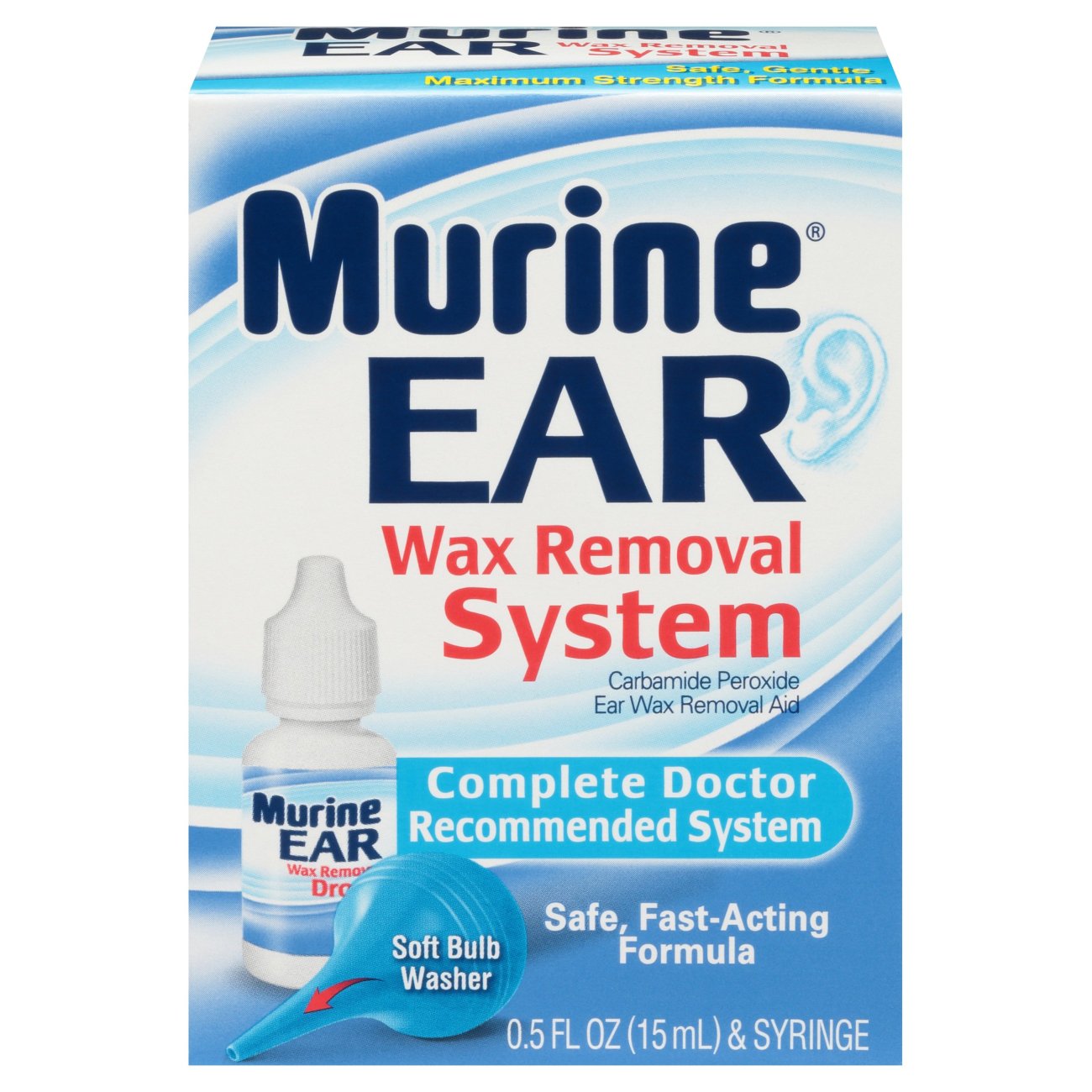
- Active Ingredients: Most standard wax removal drops use carbamide peroxide (6.5%) as the active ingredient. When applied, it releases microfoam bubbles that gently target and break down the wax.
- Associated Tools: Many wax removal kits sold at HEB include a soft rubber bulb syringe. After letting the drops sit for a few minutes, you use warm water in the bulb to gently rinse the debris out.
2. Swimmer's Ear and Drying Drops
Water trapped in the ear canal after swimming, surfing, or showering can lead to bacterial growth and painful inflammation known as swimmer's ear (otitis externa).
- Active Ingredients: These products typically feature anhydrous glycerin and isopropyl alcohol to absorb moisture and dry out the ear canal quickly.
- Prevention vs. Treatment: Some formulas are meant to be used immediately after water exposure to prevent infection, while others target early-stage discomfort.
3. Pain Relief and Calming Drops
If you are experiencing a dull ache due to minor irritation, drafts, or the early stages of an external ear canal issue, homeopathic or analgesic drops can provide temporary soothing relief.

- Active Ingredients: Homeopathic drops often feature natural ingredients like chamomile, garlic oil, or calendula. Some medicated options may contain local anesthetics to numb the surface pain temporarily.
- Important Note: These only manage surface pain and do not treat internal middle ear infections, which require a doctor's diagnosis and prescription antibiotics.
HEB Brand vs. Name Brand: Which Should You Buy?
When browsing the aisle, you will likely see familiar name brands like Debrox, Murine, or Swim-Ear sitting right next to the Central Market or HEB store-brand equivalents.
Store-brand ear drops contain the exact same active ingredients as their name-brand counterparts—such as carbamide peroxide 6.5%—because they are strictly regulated by the FDA. The primary difference is the price tag. Opting for the HEB generic version typically saves you a few dollars without sacrificing quality or effectiveness.
How to Safely Apply OTC Ear Drops
Using ear drops correctly ensures the medication reaches the affected area and prevents accidental injury to your eardrum. Follow these step-by-step best practices:
- Wash your hands: Always clean your hands thoroughly before handling the bottle or touching your ears.
- Warm the bottle slightly: Cold drops can cause dizziness or vertigo. Roll the sealed bottle between your hands for a minute to bring the liquid closer to body temperature.
- Position yourself correctly: Lie down on your side with the affected ear facing upward, or tilt your head sharply to the opposite shoulder.
- Straighten the ear canal: For adults, gently pull the earlobe outward and upward. For children, pull outward and downward.
- Apply the drops: Administer the recommended number of drops into the ear canal without letting the dropper tip touch your skin or fingers to avoid contamination.
- Wait and stay still: Remain on your side for 3 to 5 minutes to let the liquid penetrate. You can insert a small, clean cotton ball loosely into the outer ear opening to catch any runoff, but never push cotton deep into the canal.
When to See a Doctor
While over-the-counter remedies are fantastic for routine wax maintenance and minor water entrapment, they are not a cure-all. You should skip the pharmacy aisle and schedule an appointment with a healthcare professional if you experience any of the following red flags:
- Severe, sharp, or worsening ear pain.
- Fever, dizziness, or severe vertigo.
- Drainage, pus, or blood coming from the ear canal.
- A known or suspected perforated (torn) eardrum.
- Hearing loss that does not improve after completing a standard wax-removal treatment.
- Tubes in your ears or recent ear surgery.
If you have any uncertainty about what is causing your symptoms, pharmacists at HEB are readily available to look at the product packaging, answer questions, and help guide you toward the safest and most effective self-care options.