Herald Dispatch Obituary: A Family's Unbelievable Story
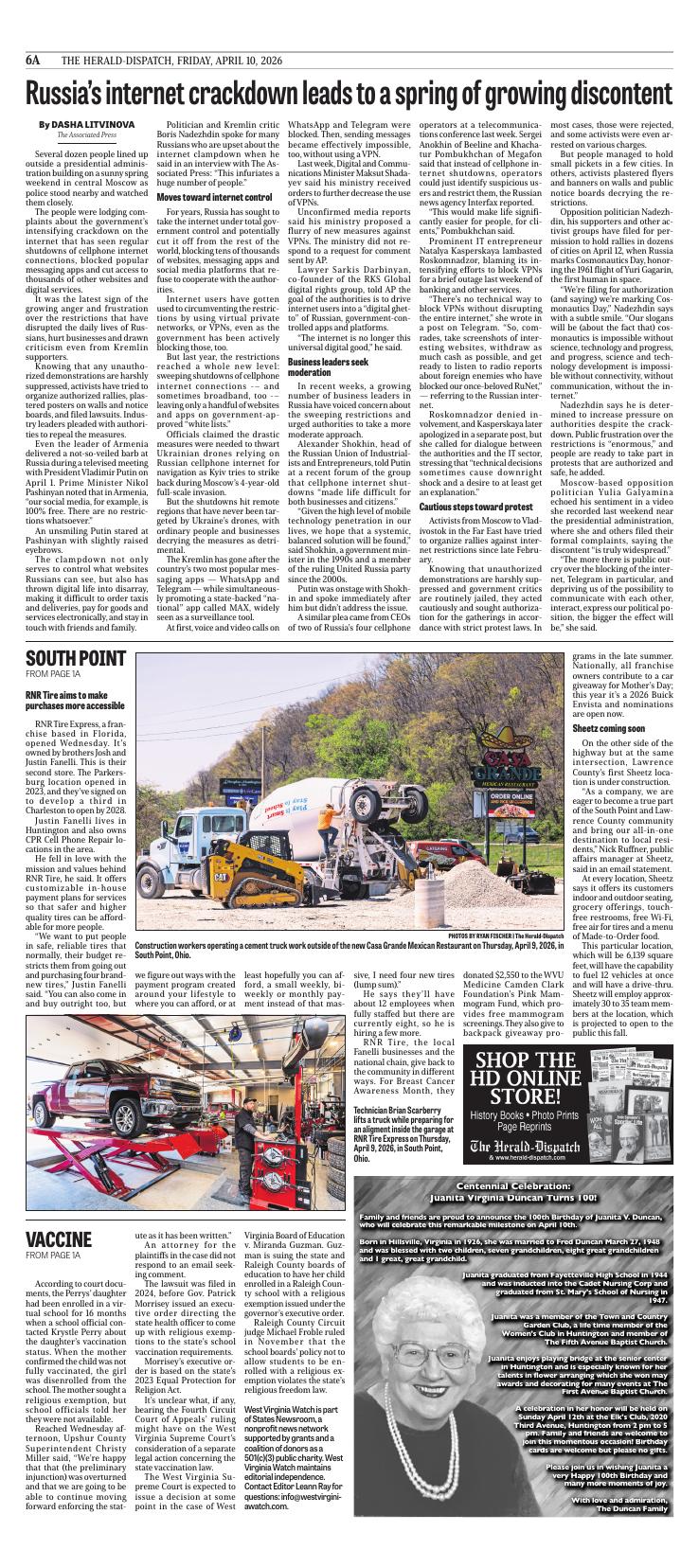
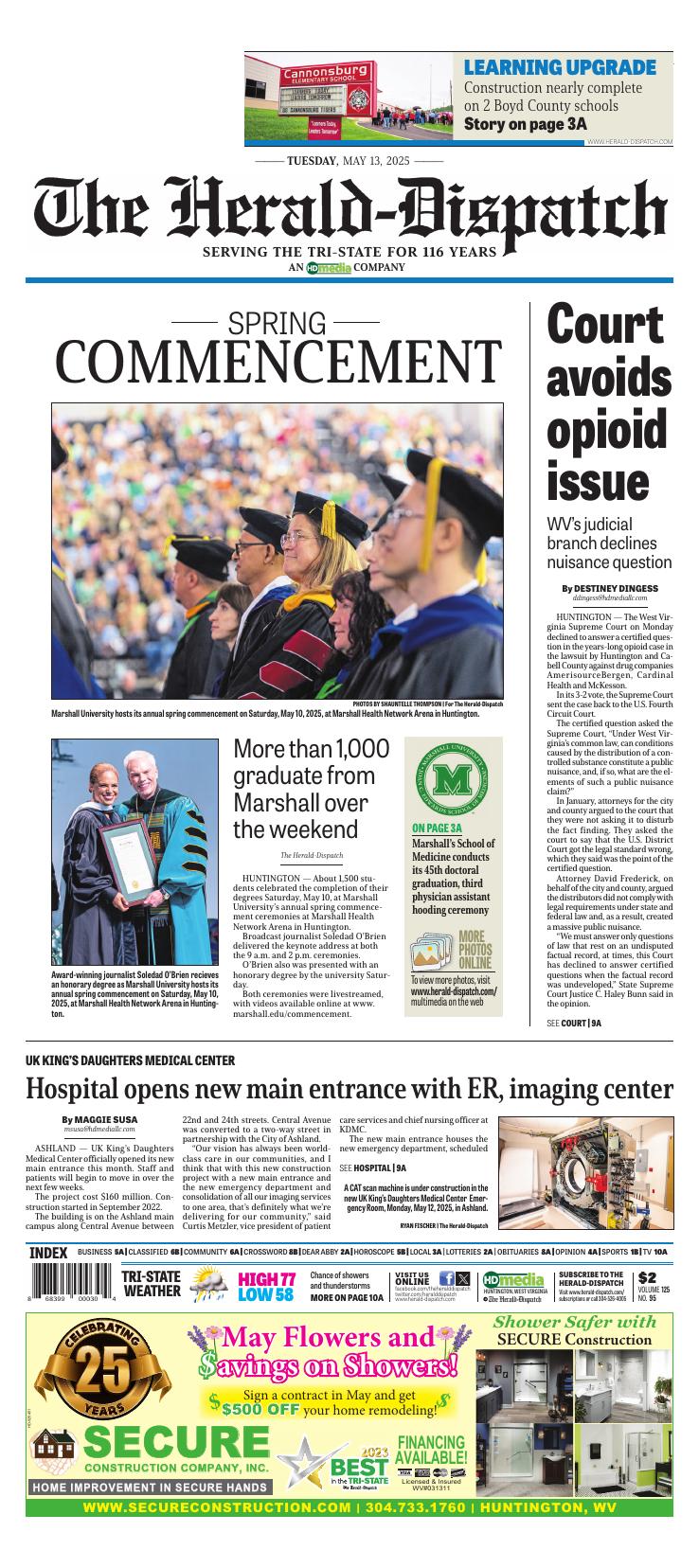
When opening the local newspaper in Huntington, West Virginia, readers usually expect conventional tributes detailing survivors, church memberships, and decades of quiet service. However, when one particular Herald Dispatch obituary: a family's unbelievable story came to light, it halted community members in their tracks. Instead of leaning on time-worn clichés and polite omissions, the family chose to chronicle an unfiltered tale of survival, redemption, and startling domestic history that resonated far beyond the hills of Cabell County.

Obituaries have long served as the final permanent record of an ordinary life, but in recent years, families across the Appalachian Tri-State area have pushed back against sanitized eulogies. What began as a standard local notice quickly evolved into a viral lesson on the power of memory, truth-telling, and confronting the complex realities of American family life.
The Spark in Huntington: Beyond the Traditional Column
The Herald-Dispatch has documented the births, trials, and passings of residents across western West Virginia, eastern Kentucky, and southern Ohio for well over a century. Traditionally, these columns adhered to a strict, respectful formula. They listed surviving kin, honored military deployments or railroad careers, and concluded with service arrangements at a local chapel.
Yet every so often, a memorial breaks the mold. When a family decides to write their loved one's authentic journey—unvarnished by social expectations—it strikes a universal chord. The tribute in question did not shy away from historical pain, eccentric adventures, or fractured ties. Readers found themselves captivated by a narrative that read less like an institutional death notice and more like a chapter from an engrossing Southern novel.
Herald Dispatch Obituary: A Family's Unbelievable Story Unfolds
What made this particular memorial so captivating was its radical vulnerability. Rather than presenting a generic portrait of domestic bliss, the family illuminated the extraordinary hardships and improbable twists that defined their forebear's existence. The details captured a life lived on the ragged edge of history.
The memorial detailed several chapters that left readers astonished:
- The Great Depression Migration: Escaping impoverished coal hollows as a teenager with nothing more than twenty-two cents and a borrowed pair of work boots.
- A Brush with History: Surviving wartime industrial accidents and unexpected encounters with regional folklore figures that shaped generations of dinner-table lore.
- Unvarnished Accountability: A transparent admission of the deceased's fiery temperament, past estrangements, and the hard-won reconciliation that brought the family together in later decades.
- Appalachian Resilience: Decades spent weathering industrial plant closures, regional economic collapse, and personal tragedy without losing a wicked, self-deprecating sense of humor.
By refusing to sand down the rough edges, the family achieved something rare: they rendered their ancestor as a complete, fallible, and deeply magnetic human being.
The Rise of Radical Honesty in Memorial Writing
For generations, obituaries operated under the unwritten rule of de mortuis nihil nisi bonum—of the dead, say nothing but good. While well-intentioned, this social convention often flattened dynamic individuals into dull archetypes. When families dare to break that silence, the public response is frequently one of relief and profound connection.
Breaking Taboos Around Illness and Addiction
Throughout West Virginia and neighboring communities, the opioid crisis and health disparities have reshaped demographics. Increasingly, notices published in regional outlets like the Herald-Dispatch candidly address substance use disorder, mental illness, and generational trauma. Families recognize that candid tributes can shatter stigma, foster community support, and potentially save other lives in the area.
Embracing Genuine Flaws and Quirks

Perfection makes for a boring eulogy. The tributes that linger in the collective memory are those that celebrate idiosyncrasies: a grandfather's disastrous habit of trading reliable sedans for broken tractors, a mother's refusal to follow recipe cards, or a lifelong devotion to West Virginia University football that bordered on spiritual fanaticism. Concrete specificity creates lasting affection.
Searching Historical Archives at The Herald-Dispatch
Stories like this often prompt family historians and genealogists to dig into older publications to see what hidden dramas exist in their own lineage. If you are seeking records, memorial archives, or historical announcements from Huntington and the surrounding region, several practical avenues exist:
- Cabell County Public Library: The local history and genealogy department maintains comprehensive microfilm collections of the Huntington Dispatch, Herald-Advertiser, and modern Herald-Dispatch spanning decades of regional print history.
- Digital Archive Platforms: Many historic editions are cataloged via state-supported archives, Newspapers.com, and West Virginia Memory Project collections through the West Virginia Division of Culture and History.
- Current Obituary Portals: Recent notices (from the early 2000s onward) are hosted collaboratively via the newspaper's online portal and partner memorial services like Legacy.com, which permit community guestbooks and photo sharing.
How to Write a Memorable Tribute for Your Loved One
If you find yourself tasked with writing a biographical tribute for a family member, you do not need an unbelievable historical saga to make it powerful. The secret lies in capturing voice, character, and authentic human experiences rather than mere dates on a calendar.
1. Focus on Small, Revealing Vignettes
Instead of stating that someone was "generous," describe how they quietly slipped folded twenty-dollar bills into the coat pockets of college-bound grandkids. Actionable memories ground the reader in the tangible reality of the individual.
2. Balance Sorrow with Warmth
Laughter and tears coexist naturally in grief. Do not hesitate to include gentle humor or fond recollections of their stubborn habits. The goal is to produce a tribute that sounds unmistakably like them.
3. Tell the Truth with Compassion
If your loved one struggled with health battles, poverty, or emotional hardship, framing those challenges through a lens of empathy honors the effort it took them to keep going. Honesty elevates a eulogy from administrative notice to lasting literature.
The Lasting Legacy of Authentic Storytelling
The remarkable impact of an unforgettable Herald-Dispatch obituary reminds us why storytelling matters. In an era dominated by transient digital updates, a permanent print memorial stands as an enduring monument. When families choose candor over custom, they offer an incredible gift: permission for the rest of us to be imperfect, resilient, and unapologetically human.