Hermaphrodite Biology Made Simple: Nature's Guide
When people first encounter the concept of organisms possessing both male and female reproductive organs, it often sparks curiosity and confusion. However, understanding hermaphrodite biology made simple reveals a remarkably common and evolutionarily successful strategy found across the natural world. Far from being an anomaly, having both sets of reproductive capabilities offers distinct survival advantages in environments where finding a mate is difficult or unpredictable.

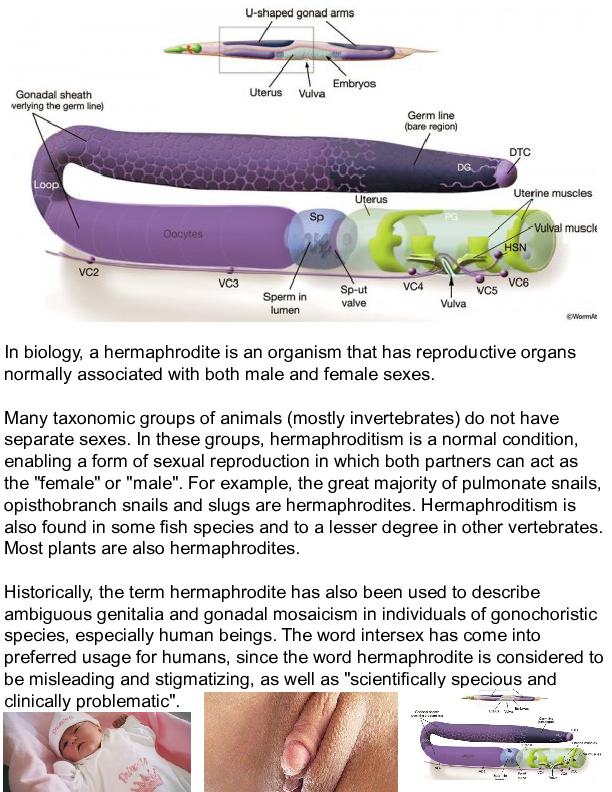
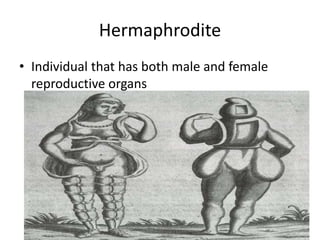
In biological terms, a hermaphrodite is an organism that has complete or partial reproductive organs of both sexes. While this phenomenon is exceedingly rare among mammals, it is the standard mode of reproduction for a vast array of invertebrates, fish, amphibians, and nearly all flowering plants. To truly grasp how these systems function, we have to look past human anatomy and examine the diverse ways nature solves the challenges of reproduction.
Understanding Hermaphrodite Biology Made Simple
At its core, hermaphroditism is about reproductive flexibility. Species that possess both male and female gonads do not have to waste energy searching for a partner of the opposite sex under every circumstance. Instead, they can maximize their chances of passing on their genes. Biologists generally divide this reproductive strategy into two main categories: simultaneous hermaphroditism and sequential hermaphroditism.
Each strategy serves a unique evolutionary purpose depending on the organism's lifestyle, mobility, and ecological niche. Let us break down how these two systems operate in the wild.
Simultaneous Hermaphroditism: The Best of Both Worlds
Simultaneous hermaphrodites are mature adults that possess functional male and female reproductive organs at the same time. This means they can produce both eggs and sperm concurrently.
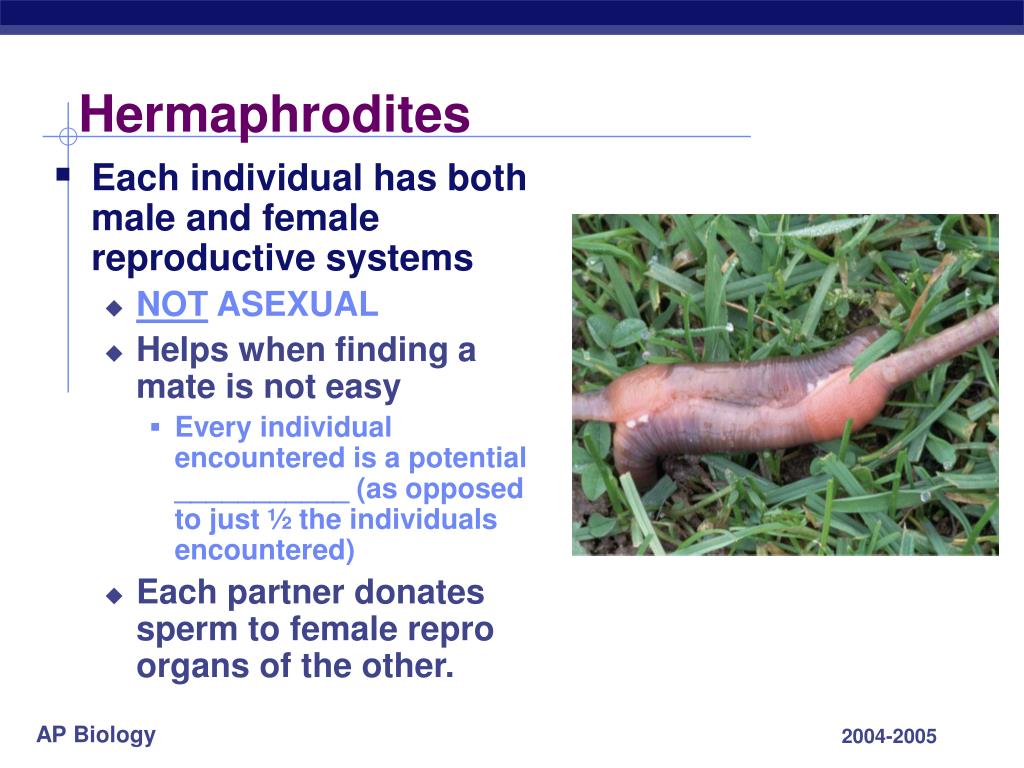
Classic examples of simultaneous hermaphrodites include earthworms and garden snails. When two garden snails meet, they engage in a complex mating ritual and mutually fertilize one another. Both individuals walk away pregnant, effectively doubling the reproductive output of the encounter. This is a massive evolutionary advantage for slow-moving creatures that might only cross paths with another member of their species once in a lifetime.
Some simultaneous hermaphrodites are even capable of self-fertilization, though this is often a last resort. While self-fertilization ensures that an isolated individual can still produce offspring, it reduces genetic diversity. Therefore, most simultaneous species have evolved mechanisms to favor cross-fertilization with other individuals whenever possible.
Video: Hermaphrodite - Wiki Videos
Sequential Hermaphroditism: Changing Sex Over Time
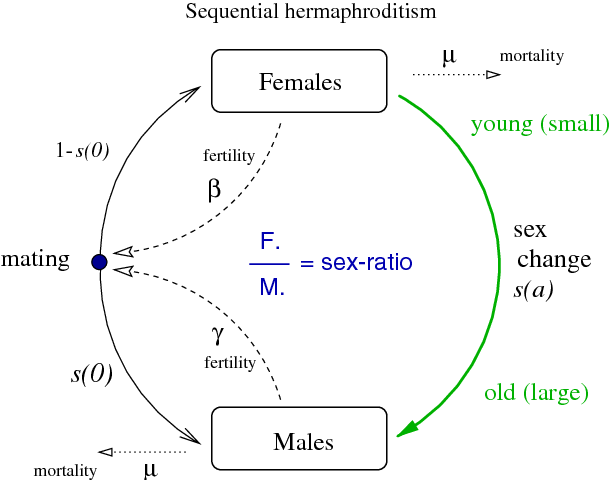
Sequential hermaphrodites are born as one sex and then change into the other sex at some point during their lifespan. This fascinating biological pivot is typically triggered by social cues, age, size, or environmental stress within a population.
- Protandry (Male to Female): Organisms start their lives as males and later transition into females. This is common in clownfish, where the largest and dominant fish in an anemone becomes the female, while the smaller fish remain male.
- Protogyny (Female to Male): Organisms start as females and later transition into males. Many species of wrasses and parrotfish follow this pattern, where a dominant male guards a harem of smaller females. If the male dies, the largest female changes sex to take his place.
Sequential sex change allows animals to maximize their reproductive success based on their size. In many fish species, small females produce fewer eggs, while large males can fertilize eggs from many partners. Thus, starting small as a female and growing into a large male maximizes lifetime reproductive output.
Hermaphroditism in the Plant Kingdom
While animals get a lot of attention, botany is where hermaphrodite biology truly dominates. The vast majority of flowering plants—known as angiosperms—are hermaphroditic. They produce flowers that contain both male stamen (which produce pollen) and female pistils (which contain ovules).
Plants have developed intricate ways to prevent self-pollination, since genetic variation is crucial for survival. Some plants mature their pollen and stigmas at different times. Others rely on physical barriers, wind, or animal pollinators like bees and hummingbirds to transfer pollen from one flower to another, ensuring healthy cross-pollination.
Evolutionary Advantages and Misconceptions
To wrap up our look at hermaphrodite biology made simple, it is helpful to address common misconceptions. First, hermaphroditism in animals is distinct from intersex conditions in humans. In biology, true hermaphrodites have functional gonads of both sexes, which is a normal, healthy part of their species' life cycle.
The primary evolutionary driver behind this adaptation is reproductive assurance. Whether an animal lives on the deep-sea floor where finding a mate is nearly impossible, or a plant is rooted firmly in the soil, having the biological machinery of both sexes guarantees that life can find a way to endure.