HH210 Round Pill: Uses, Dosage, and Identification
Discovering an unlabelled medication can be concerning. If you have encountered a small, white tablet stamped with specific lettering, you are likely looking at the hh210 round pill. This imprint identifies a generic prescription drug known as promethazine hydrochloride at a strength of 25 milligrams (mg), distributed in the United States by Heritage Pharmaceuticals (now often handled under affiliated generic labels such as Avet Pharmaceuticals).

Promethazine belongs to a class of medications called phenothiazines. Unlike antipsychotic phenothiazines, promethazine acts predominantly as a potent first-generation H1-antihistamine with notable antiemetic (anti-nausea), sedative, and anticholinergic properties. Understanding what this medication does, how it works, and its safety parameters is critical to avoiding unintended misuse or adverse interactions.
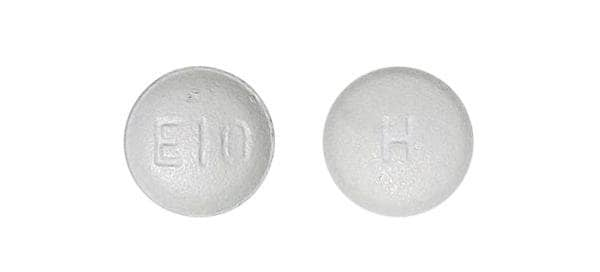
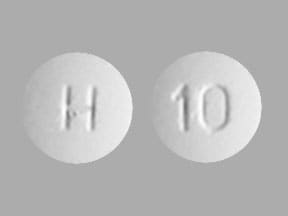
Physical Identification of the HH 210 Tablet
Proper physical verification ensures you do not mistake one medication for another. The HH 210 pill has distinct physical specifications:
- Imprint: Debossed with “HH” on one side and “210” on the reverse (or scored with “HH 210” depending on the production run).
- Color: White to off-white.
- Shape: Round, biconvex.
- Score Line: Scored on one side, allowing it to be split into two equal 12.5 mg doses if directed by a physician.
- Active Ingredient: Promethazine Hydrochloride (25 mg).
- Inactive Ingredients: Commonly includes lactose monohydrate, magnesium stearate, microcrystalline cellulose, and sodium starch glycolate.
If your pill does not match these visual cues—for example, if it is oblong, colored, or features different numbers—it is not an authentic promethazine 25 mg tablet from this manufacturer. Always verify unidentified tablets with a licensed pharmacist.
Primary Medical Uses of the HH210 Round Pill
Physicians prescribe promethazine 25 mg tablets to manage a variety of distinct clinical conditions. Its actions on the central nervous system make it versatile across several therapeutic areas:
1. Relief of Severe Nausea and Vomiting
One of the most frequent indications for the HH 210 tablet is managing acute nausea and vomiting. It works by blocking dopamine and histamine receptors in the chemoreceptor trigger zone (CTZ) of the brain—the center responsible for stimulating the vomiting reflex. It is often prescribed for post-operative recovery, gastroenteritis, and cancer chemotherapy-induced nausea.
2. Prevention and Treatment of Motion Sickness
Promethazine decreases the sensitivity of the inner ear's vestibular apparatus, which detects balance and spatial orientation. By dampening abnormal vestibular signaling to the brainstem, a single dose taken prior to travel can prevent dizziness, motion-related nausea, and vertigo.
3. Allergic Conditions and Rhinitis
As an H1-receptor antagonist, promethazine halts the cascade triggered by histamine release during an allergic response. It provides effective, fast-acting relief for allergic rhinitis (hay fever), conjunctivitis, hives (urticaria), and mild, uncomplicated skin allergic reactions.
4. Pre- and Post-Operative Sedation
Because of its pronounced sedative effects, surgeons and anesthesiologists sometimes administer promethazine alongside surgical procedures to alleviate patient anxiety, promote calm, and reduce post-procedural shivering or nausea.

Dosage and Proper Administration
Promethazine hydrochloride must be taken exactly as prescribed by a qualified healthcare provider. Dosage regimens vary significantly based on the condition being treated:
- Motion Sickness: Typically, one 25 mg tablet taken 30 to 60 minutes before departure, followed by another 25 mg tablet 8 to 12 hours later if necessary.
- Nausea and Vomiting: 12.5 mg to 25 mg taken orally every 4 to 6 hours as needed.
- Allergies: A single 25 mg dose taken at bedtime, or 12.5 mg taken before meals and at bedtime to limit daytime drowsiness.
- Sedation: 25 mg to 50 mg taken prior to sleep or before medical procedures.
The tablet should be swallowed whole with a full glass of water. It can be taken with or without food; however, taking it with a small meal or snack can help mitigate gastrointestinal irritation if stomach upset occurs.
Potential Side Effects and Adverse Reactions
Because promethazine crosses the blood-brain barrier and influences multiple neurotransmitter pathways, it carries a broad profile of potential side effects ranging from mild to severe.
Common Side Effects
Most patients experience some degree of central nervous system or anticholinergic effects, including:
- Marked drowsiness or fatigue
- Dry mouth, nose, or throat
- Dizziness and unsteadiness
- Blurred vision
- Constipation or mild urinary retention
- Tinnitus (ringing in the ears)
Serious Warnings and Risks
Certain adverse effects require immediate medical evaluation:
- Black Box Warning (Pediatric Respiratory Depression): Promethazine is strictly contraindicated in children under two years of age due to the risk of severe, potentially fatal respiratory depression. Extreme caution is warranted in children two years and older.
- Extrapyramidal Symptoms (EPS): Patients may develop involuntary muscle contractions, tremors, tongue protrusion, restlessness (akathisia), or facial grimacing.
- Neuroleptic Malignant Syndrome (NMS): A rare but potentially life-threatening complication characterized by high fever, severe muscle stiffness, altered mental status, and autonomic instability.
- Lowered Seizure Threshold: Individuals with a history of seizure disorders must use promethazine with extreme caution, as it can precipitate convulsive events.
Important Drug Interactions
Promethazine interacts heavily with other substances that suppress the central nervous system. Combining the HH 210 tablet with specific agents can lead to profound sedation, respiratory arrest, coma, or death:
- Alcohol: Never consume alcohol while taking promethazine. Alcohol markedly intensifies the sedative and motor-impairing effects of the medication.
- Opioids and Pain Relievers: Co-administering promethazine with opioids (such as oxycodone, hydrocodone, or codeine) increases the risk of profound respiratory depression and severe hypotension.
- Benzodiazepines and Sleep Aids: Drugs such as alprazolam, lorazepam, and zolpidem amplify central nervous system suppression.
- Anticholinergic Medications: Concurrent use of drugs with anticholinergic properties (such as tricyclic antidepressants, atropine, or bladder antispasmodics) heightens the risk of dangerous urinary retention, hyperthermia, and severe constipation.
- MAO Inhibitors: Monoamine oxidase inhibitors can intensify and prolong the anticholinergic and sedative effects of promethazine.
Safety Guidelines and Best Practices
If you have an HH 210 tablet in your possession, follow these foundational safety protocols:
- Do Not Drive or Operate Machinery: The sedation caused by promethazine can significantly impair your reflexes and cognitive judgment. Avoid hazardous tasks until you understand how the drug affects you.
- Check Expiration and Storage: Store tablets at controlled room temperature between 68°F and 77°F (20°C to 25°C), away from excess moisture, heat, and direct light. Avoid keeping medications in bathroom medicine cabinets where humidity fluctuates.
- Never Share Prescription Medications: Because of its contraindications regarding age, respiratory disease (such as asthma or COPD), and sleep apnea, taking someone else's promethazine can be dangerous.
- Proper Disposal: If the pill is expired or no longer needed, dispose of it through a community drug take-back program or follow local FDA guidance for non-controlled substance disposal.
Whenever you encounter an unverified pill, consult a licensed healthcare professional or use a reliable pharmaceutical database before ingesting it. If you suspect an accidental ingestion or an overdose involving promethazine, contact Poison Control immediately at 1-800-222-1222 or seek emergency medical services.