Hidden Benefits of Filing IRS Form 843 Online
Understanding IRS Form 843

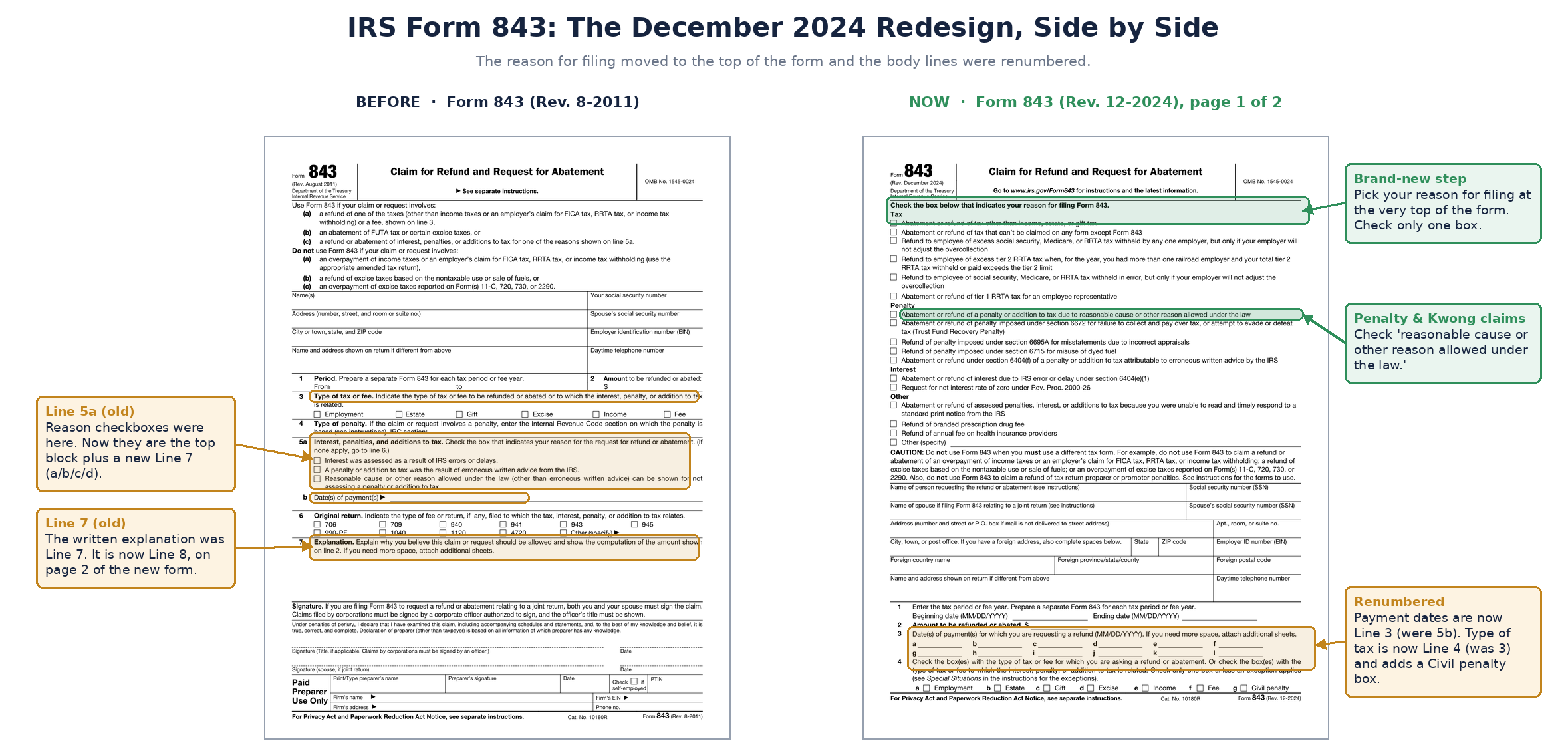
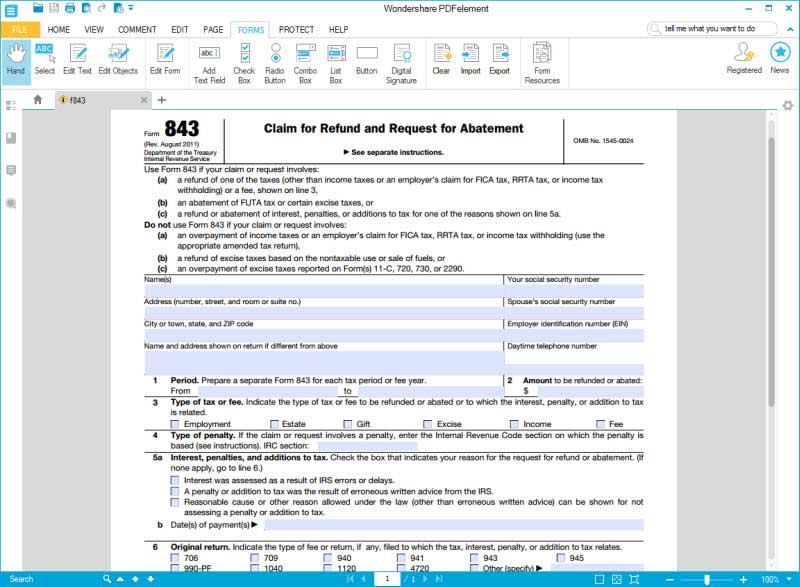
IRS Form 843, formally known as the Claim for Refund and Request for Abatement, is a vital document for taxpayers who believe the IRS has incorrectly assessed penalties, interest, or certain taxes. Whether you were charged a late-filing penalty due to a hospital stay, experienced a payroll tax overpayment, or need to claim a refund for specific excise or FICA taxes, this form is your formal request for relief.
Historically, taxpayers and tax professionals have printed out this multi-page document, filled it out by hand or in a PDF filler, attached supporting documentation, and mailed it to the IRS via certified mail. However, as the agency continues its massive modernization efforts, digital submission options have emerged. Embracing **the hidden benefits of filing IRS Form 843 online** can completely transform your tax resolution experience, saving you time, money, and administrative headaches.
Traditional Paper Filing vs. Electronic Options
For decades, submitting Form 843 meant sending paper documents into a literal black hole. Once received at an IRS processing center, paper returns must be manually opened, sorted, scanned, and routed to an agent. This analog pipeline is notoriously vulnerable to bottlenecks.
Paper filing comes with several glaring drawbacks:
- High Risk of Loss: Paper documents can be misplaced in transit, on a desk, or during internal routing at overburdened IRS offices.
- Lack of Real-Time Tracking: Unlike electronically filed individual income tax returns, paper-based Form 843 submissions rarely show up on the IRS "Where's My Refund?" tool immediately.
- Manual Data Entry Errors: IRS personnel must manually transcribe data from your paper form into their digital systems, creating a second opportunity for human error.
While the IRS does not yet offer a simple, consumer-facing web portal specifically for standalone Form 843 uploads, approved electronic submission methods—primarily utilized through authorized IRS e-file providers, business tax software, and practitioner portals—offer a streamlined pathway that bypasses the traditional mailroom entirely.
The Hidden Benefits of Filing IRS Form 843 Online
When you leverage electronic channels to submit your claim or abatement request, you unlock several powerful advantages that go beyond merely saving on postage stamps.
1. Instant Delivery Confirmation and Proof of Timeliness
Tax relief requests are strictly bound by statutes of limitations. Generally, you must file a claim for a credit or refund within three years from the date the original return was filed, or two years from the date the tax was paid, whichever is later. Missing this deadline by a single day means your claim is legally barred, regardless of how valid your argument is.
When you file online or through an authorized electronic transmitter, you receive an immediate digital timestamp and acknowledgment of receipt. This eliminates the anxiety of wondering whether the U.S. Postal Service delivered your certified mail on time and provides indisputable legal proof of timely filing.
2. Elimination of Mailroom Backlogs and Transit Delays

IRS paper processing centers frequently face massive backlogs. Millions of paper returns sit in trailers or facility floors for months before an employee even touches them. Electronic submissions, on the other hand, enter the IRS electronic data stream instantly. While the agency still takes time to review and adjudicate the merits of a penalty abatement, electronic filing bypasses the multi-week intake and sorting phase entirely, putting your file in front of a decision-maker much faster.
3. Cleaner Data and Fewer Processing Rejections
Handwritten forms or poorly formatted PDFs frequently get rejected or pulled for manual review simply because a digit is illegible or a checkbox is ambiguous. Electronic filing software enforces validation rules. It ensures that your Employer Identification Number (EIN) or Social Security Number (SSN) is formatted correctly, required fields are populated, and mathematical computations are accurate. This dramatically reduces the likelihood of administrative rejections due to clerical errors.
4. Seamless Attachment of Supporting Evidence
A successful Form 843 claim almost always requires heavy documentation. If you are requesting a penalty abatement based on "reasonable cause" (such as a natural disaster, serious illness, or reliance on erroneous IRS advice), you must attach letters, medical records, or correspondence.
Filing digitally allows you to attach PDFs of your supporting evidence directly to the electronic submission file. This keeps your entire package together as a single digital dossier. Contrast this with paper filing, where paper clips, staples, and separate loose sheets can easily become separated in an IRS processing facility.
How to File Form 843 Electronically
Because the IRS does not provide a direct upload button on IRS.gov for individual Form 843 submissions outside of specific business or practitioner software suites, you need to know how to route your document correctly.
- Use Professional Tax Software: Many commercial corporate and individual tax preparation software packages (intended for CPAs, Enrolled Agents, and sophisticated self-filers) support the electronic transmission of specialized forms like Form 843.
- Utilize an Electronic Return Originator (ERO): If you work with a tax professional, ensure they are utilizing modern e-file systems that support digital attachment of correspondence and ancillary forms.
- Check IRS Secure Messaging Portals: If you are currently working with an IRS revenue officer or an agent in the Enterprise Case Management (ECM) system regarding an audit or collection issue, ask if you can securely upload Form 843 and its exhibits directly to your digital case file through an official IRS secure messaging link.
Best Practices for a Successful Submission
Regardless of whether your Form 843 travels via fiber optics or the postal service, the quality of your argument dictates your success. To maximize your chances of approval:
- Be Specific: Clearly state the exact tax period, the type of tax or penalty (e.g., Section 6651(a)(1) late filing penalty), and the exact dollar amount you want refunded or abated.
- Cite the Law or Reason: Clearly articulate your reasonable cause. Avoid emotional appeals and instead focus on facts, dates, and documentation proving that you exercised ordinary business care and prudence.
- Keep Digital Backups: Always retain a complete digital copy of the submitted form, all attachments, and the electronic transmission confirmation receipt in a secure, encrypted folder on your computer.
Conclusion
Navigating tax disputes with the IRS is rarely enjoyable, but modernizing how you interact with the agency can remove friction from the process. By moving away from fragile paper mailings and embracing digital submission methods, you secure instant tracking, eliminate mailroom delays, and protect your statutory rights with definitive timestamps. Taking advantage of electronic workflows is one of the smartest steps you can take toward a faster, more successful tax resolution.