Hidden Costs of Filing in Denver County Court
Navigating the Financial Realities of Colorado's Legal System

When individuals or small business owners decide to take a legal dispute to court, they usually budget for the obvious expenses: hiring an attorney, paying the basic filing fee, and perhaps taking time off work. However, the true price tag of litigation often goes far beyond the initial paperwork. Uncovering the hidden costs of filing in Denver County Court is essential for anyone hoping to protect their financial well-being while seeking justice.
Denver County Court handles a wide array of cases, ranging from civil claims and evictions to small claims and minor criminal matters. While the court provides a public forum for resolving disputes, the administrative mechanics of moving a case forward come with a steady stream of fees. Failing to anticipate these expenses can result in dismissed cases, delayed hearings, and severe budget strain.
The Baseline: Standard Filing Fees Are Just the Beginning
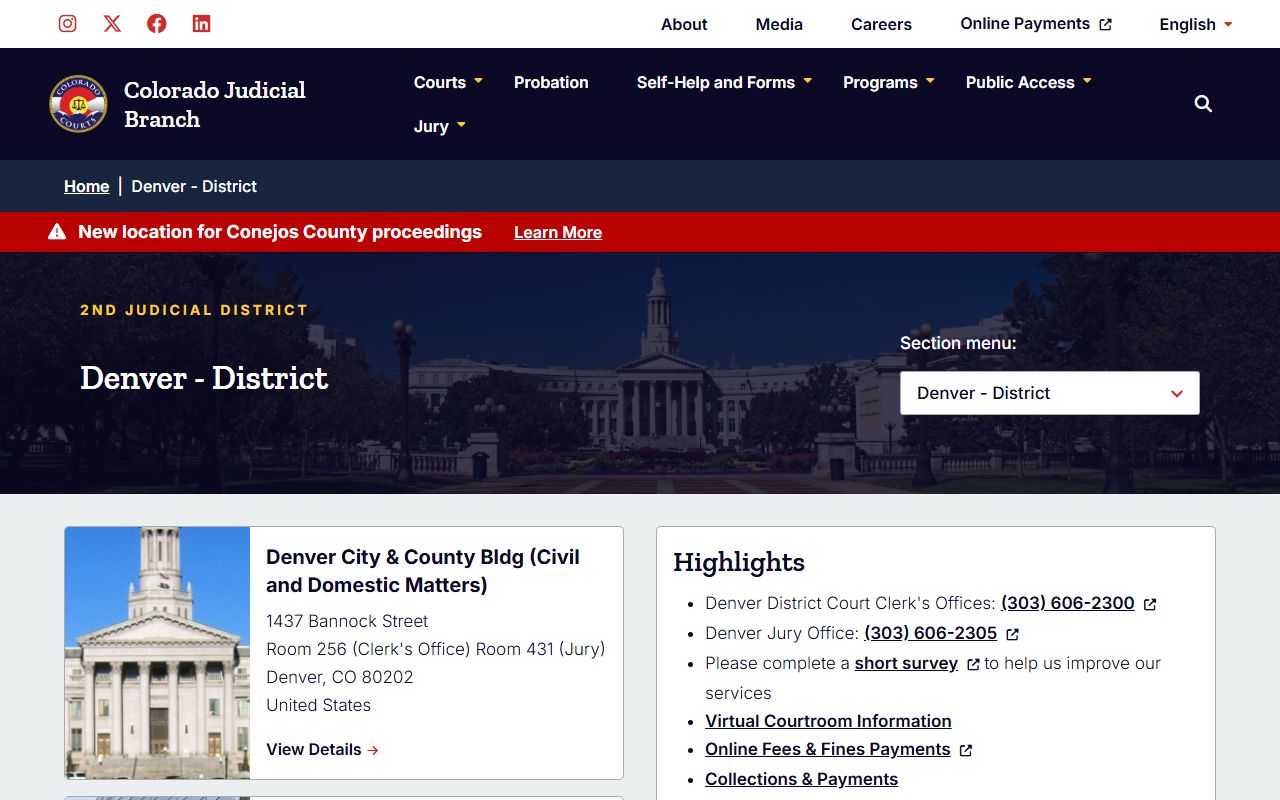
Before examining the unexpected expenses, it helps to understand what standard filing fees cover. When you initiate a civil lawsuit, a landlord-tenant action, or a small claims case, the clerk of the court collects a fee based on the type and monetary value of the claim. While these base rates are published on the Colorado Judicial Branch website, they represent merely the entry ticket to the courthouse.
Once your initial complaint or petition is accepted, the financial meter keeps running. Every motion, request for discovery, and post-judgment action generally requires an additional transaction fee. If you are representing yourself (pro se), you might assume you will save money by bypassing attorney hourly rates, but administrative fees remain mandatory regardless of your legal representation.
Key Hidden Expenses in Denver County Court Litigation
To prepare an accurate budget for your legal matter, you must look past the initial docket fees. Several procedural steps routinely catch litigants off guard.
Process Server and Sheriff Fees
You cannot simply hand a copy of a lawsuit to the opposing party and tell them to show up in court. Legally, the defendant must be formally served with process. While you can pay the Denver County Sheriff's Office to handle service, their fees have risen, and multiple attempts can drive up the cost. Alternatively, hiring a private process server offers faster turnaround times but usually commands higher rates, especially if the defendant is evasive or hard to track down.
Expert Witness and Professional Fees

If your case involves complex property damage, medical bills, or financial disputes, you will likely need expert testimony to substantiate your claims. Professional witnesses—such as structural engineers, accountants, or medical practitioners—do not testify for free. Their fees typically include:
- Initial document review and case assessment
- Hourly rates for depositions
- Substantial flat or hourly fees for courtroom testimony
- Travel and waiting time expenses
Document Production and Technology Costs
Modern litigation generates mountains of paperwork and digital data. Even in Denver County Court, where electronic filing (e-filing) is standard, administrative costs add up quickly. You may encounter:
- E-filing system convenience fees and per-page charges
- High costs for printing, binding, and organizing physical exhibit binders
- Fees for obtaining certified copies of police reports, medical records, or business documents
- Transcription services for recorded hearings or depositions
Post-Judgment Collection Expenses
Winning your case is only half the battle. If the losing party refuses to pay the judgment voluntarily, you must collect the debt yourself. This phase introduces an entirely new wave of hidden costs in Denver County Court:
- Fees for issuing a Writ of Garnishment to target bank accounts or wages
- Costs associated with filing judgment liens against real estate
- Fees for scheduling a debtor's examination to uncover hidden assets
- Private investigator fees if the debtor attempts to hide their location or employment
How to Minimize Unexpected Court Costs
While you cannot eliminate court fees entirely, strategic planning can help you keep expenses under control. If you are facing financial hardship, you can ask the court to waive your filing fees by submitting a motion to proceed *in forma pauperis*. If approved, the court will waive standard filing and service fees, though you may still be responsible for third-party costs like expert witnesses.
Furthermore, staying organized and meeting every court deadline prevents costly delays and penalty fees. Working closely with an experienced Colorado attorney can also prevent procedural missteps that force you to refile documents or pay for corrected motions.
Conclusion
Entering the legal system without a clear financial roadmap is a recipe for stress. By looking beyond the basic paperwork and anticipating the true scope of litigation expenses, you can approach your case with realistic expectations. Whether you are pursuing a claim or defending against one, understanding these financial realities ensures you are fully prepared for the journey ahead in Denver County Court.