Hinokami Kagura: Origins, Forms, and Lore
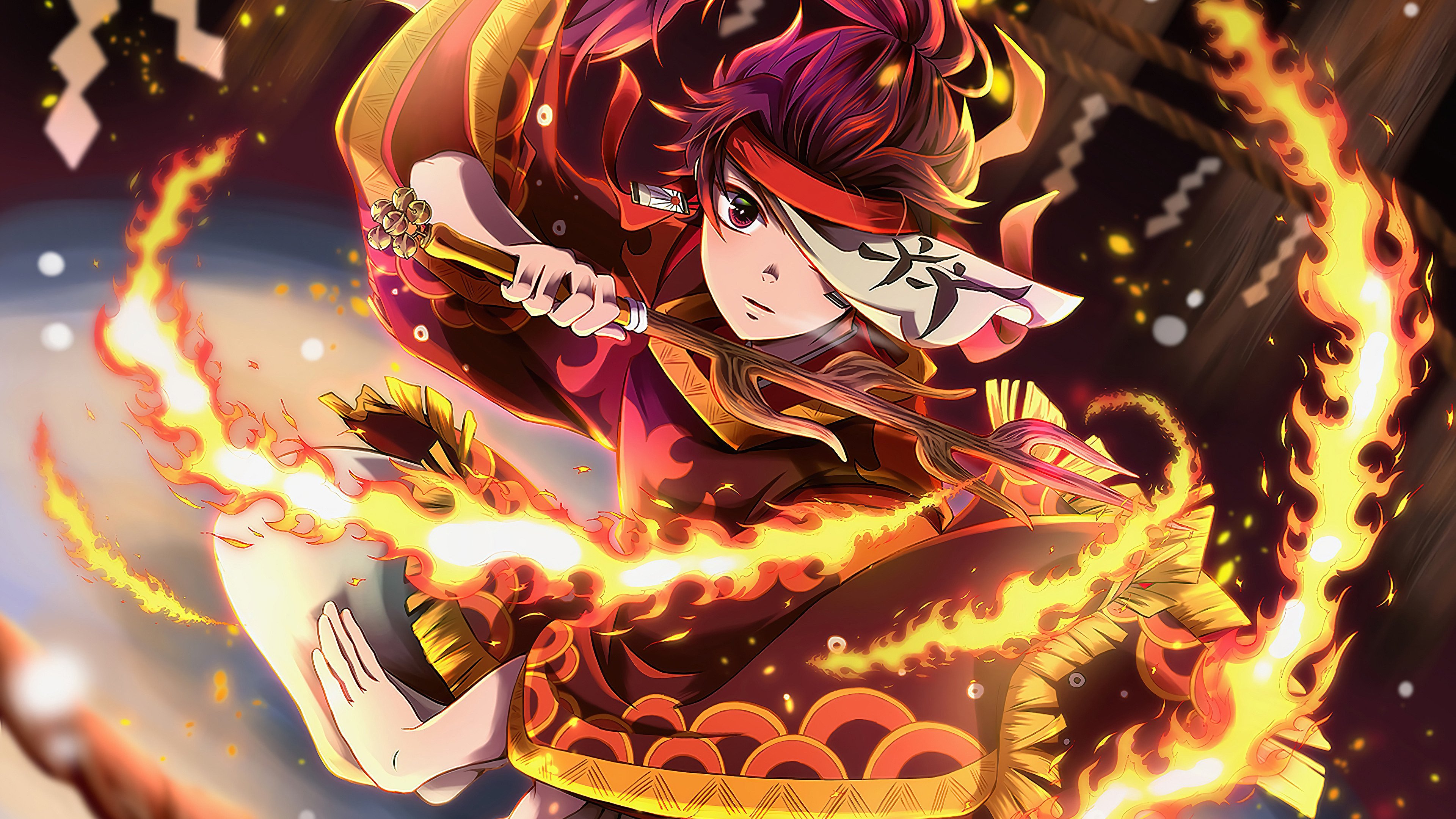
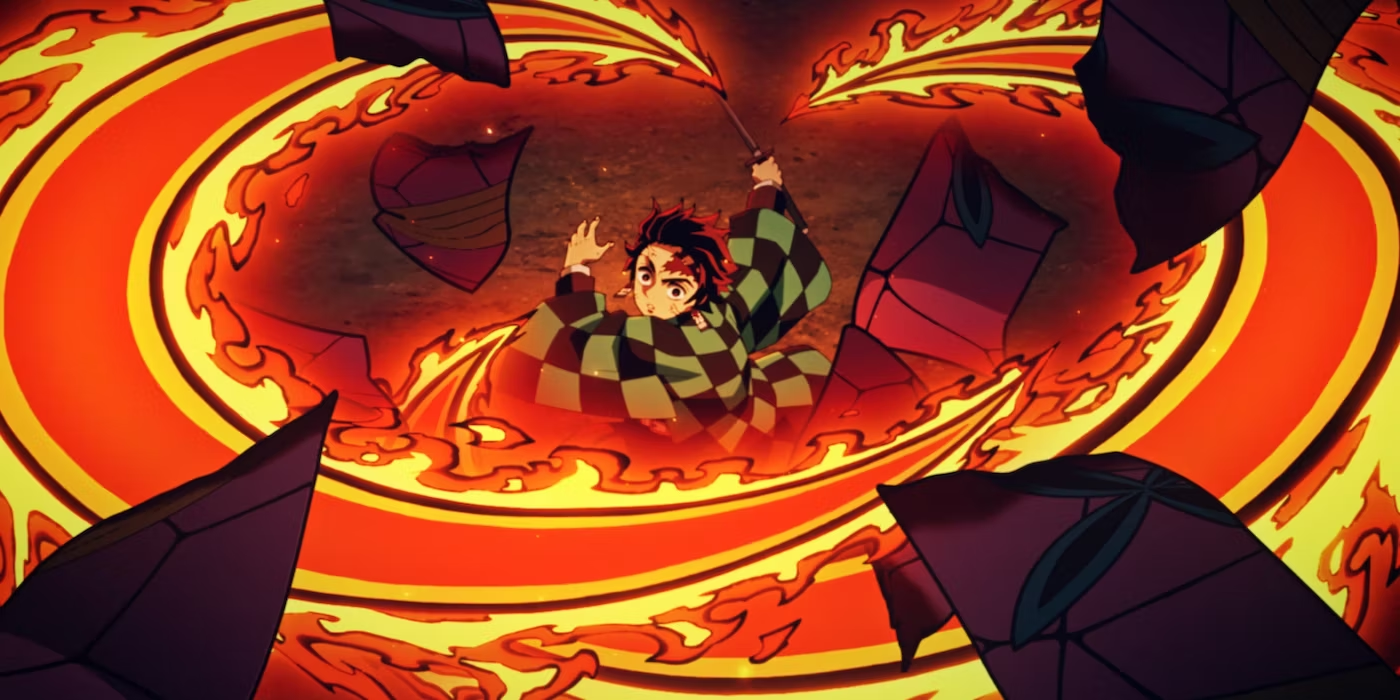
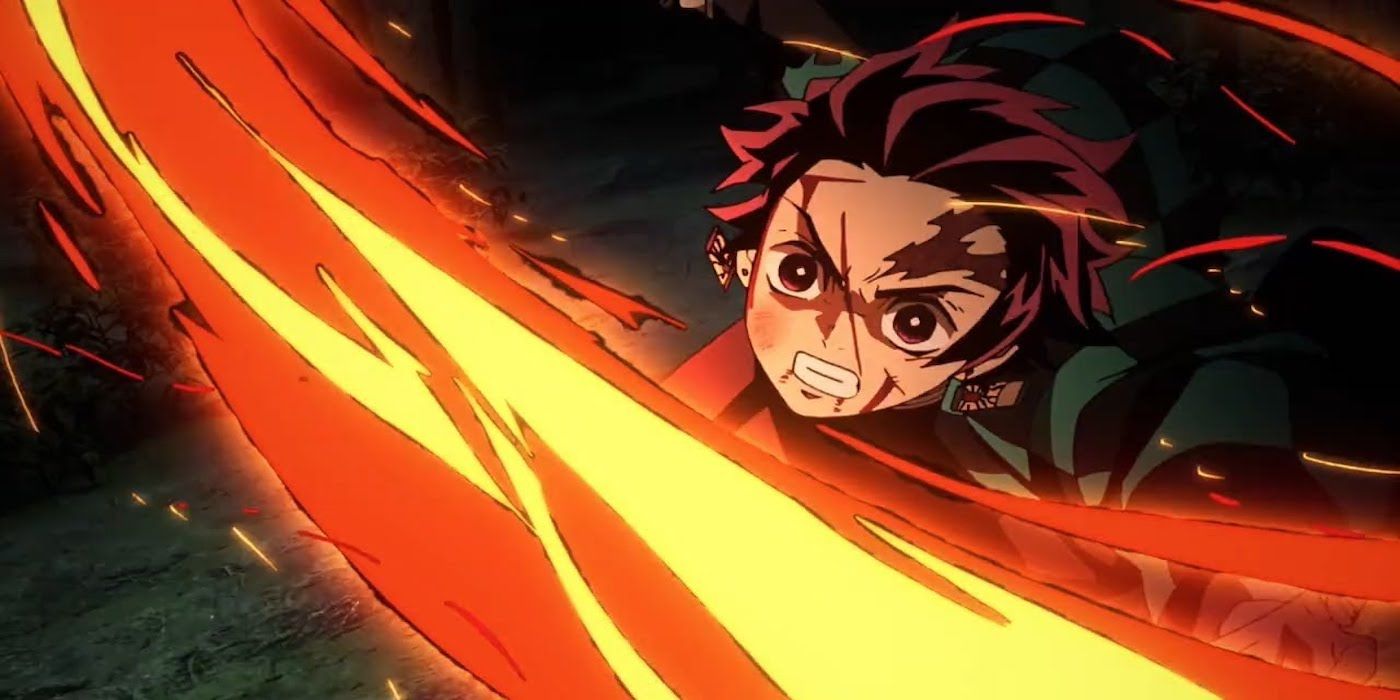
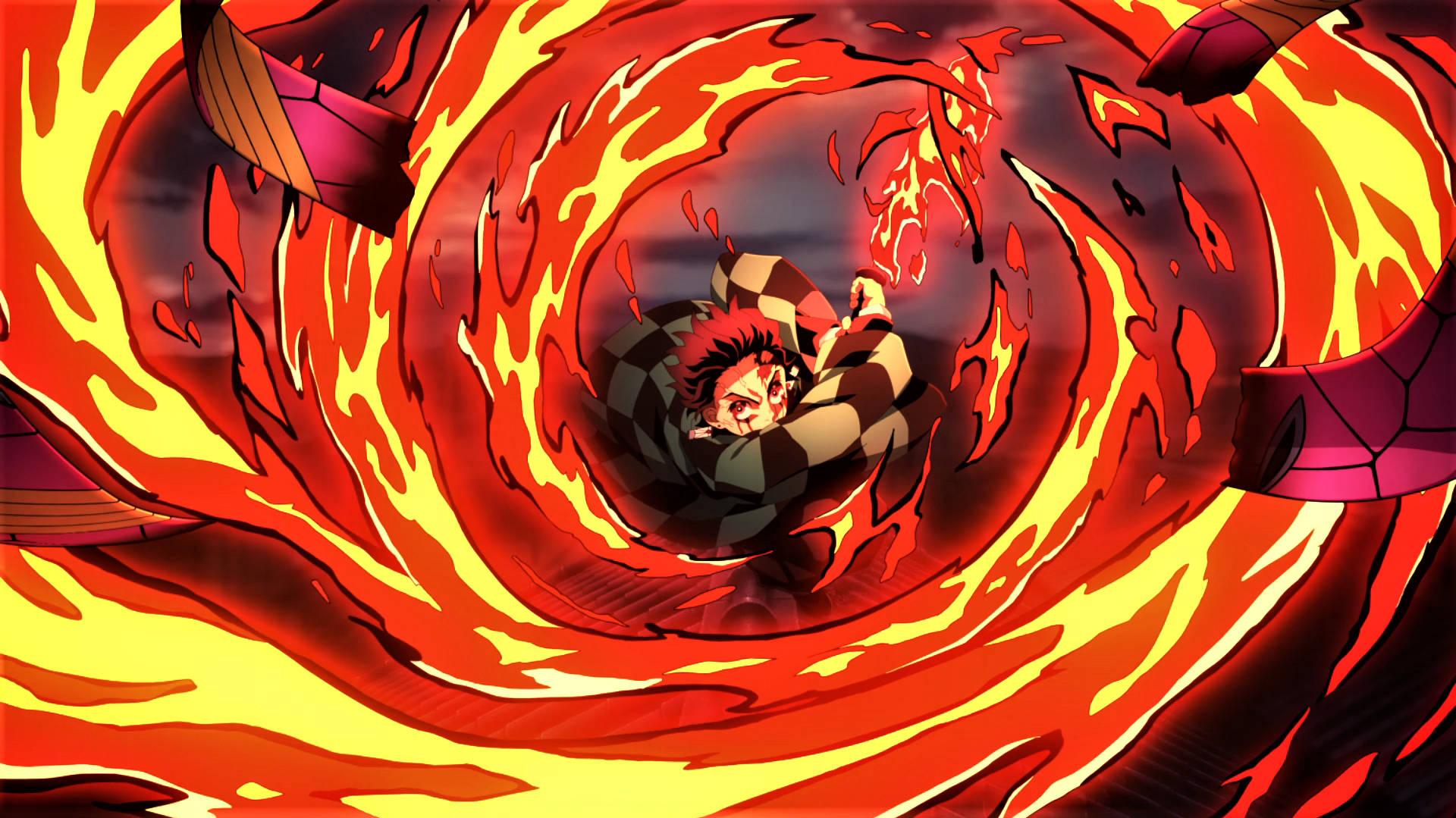
When Tanjiro Kamado found himself pinned to the brink of death by the Lower Rank Five demon Rui on Mount Natagumo, his survival hinged not on his trained Water Breathing, but on a forgotten childhood memory. Recalling his sickly father dancing gracefully in the freezing snow, Tanjiro unleashed the Hinokami Kagura—the Dance of the Fire God. This breathtaking burst of crimson flames marked a turning point in Demon Slayer: Kimetsu no Yaiba, shifting Tanjiro from an earnest novice into the bearer of the anime world's most formidable martial lineage.

While introduced as a ritual dance passed down through generations of humble charcoal burners, the Hinokami Kagura hides centuries of history, tragic sacrifices, and the ultimate weapon against the progenitor of demons, Muzan Kibutsuji. Here is an in-depth exploration of what the Hinokami Kagura truly is, how it functions, and why it holds the key to the entire Demon Slayer narrative.
The Origin and Tradition of the Hinokami Kagura
To outsiders, the Hinokami Kagura was never meant for warfare. For centuries, the Kamado family observed an annual tradition every New Year's Eve: dancing from sunset to sunrise in freezing mountain winds to honor Hinokami, the Fire God. The ritual aimed to ward off disasters, prevent injuries around the kiln, and bless the family's coal business.
What baffled Tanjiro as a child was how his father, Tanjuro Kamado—a frail, chronically ill man—could dance non-stop throughout an entire sub-zero night without collapsing. The secret lay in the ritual's breathing rhythm and economy of motion. By maintaining a specific respiration cycle, Tanjuro could conserve his energy completely, tapping into what fighters call the "Transparent World" (See-Through World) and moving without wasting a single drop of stamina.
Alongside the dance, the Kamados preserved two sacred heirlooms: a pair of Hanafuda earrings depicting a rising sun and a promise to ensure the movements were taught faithfully from father to son across every generation.
Hinokami Kagura vs. Sun Breathing: What Is the Difference?
One of the central revelations in the series is that the Hinokami Kagura and Sun Breathing (Hi no Kokyū) are essentially the same art. Sun Breathing was the very first breathing style, developed during the Sengoku era by the legendary swordsman Yoriichi Tsugikuni.
When Yoriichi realized that other demon slayers lacked the unique physical gifts required to wield Sun Breathing, he adapted the fundamentals to match individual strengths, creating offshoot styles: Water, Flame, Wind, Thunder, and Stone. Sun Breathing remained the most lethal, balanced, and complete combat art ever devised.
After Yoriichi's death, Muzan Kibutsuji and the Upper Rank One demon Kokushibo systematically hunted down and murdered anyone who practiced or knew of Sun Breathing to eliminate any threat to Muzan's life. The art was considered entirely extinct.
However, Sun Breathing survived through an ingenious disguise. Yoriichi had formed a close friendship with Tanjiro's ancestor, Sumiyoshi Kamado. In gratitude for saving his family, Sumiyoshi memorized every subtle movement of Yoriichi's forms and vowed to keep them alive. Rather than teaching it as a lethal swordsmanship style, the Kamados integrated it into their annual prayer ritual, effectively hiding the ultimate demon-killing weapon in plain sight for nearly 400 years.
Core Techniques and Kata of the Hinokami Kagura
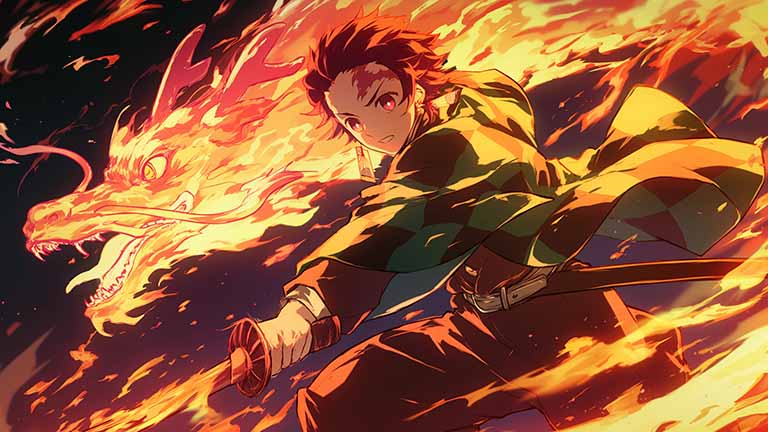
The Hinokami Kagura consists of twelve distinct forms, each emulating the radiant power and fluidity of the sun. Unlike Water Breathing, which yields to opposing force, Hinokami Kagura techniques are explosive, precise, and exert tremendous heat that slows demon regeneration.
- Dance (Enbu): A sharp, downward slashing strike often executed after a powerful dash forward. Tanjiro later develops a two-stage variation called Dance Flash by incorporating Thunder Breathing principles.
- Clear Blue Sky (Heki-ra no Ten): A full 360-degree vertical rotation slash where the user flips their body to cleanly sever limbs or necks.
- Raging Sun (Retsujitsu Kōkyō): Two rapid horizontal circular slashes designed to deflect incoming attacks while simultaneously cutting through nearby enemies.
- Burning Bones, Summer Sun (Shakkoku En'yō): A sweeping defensive and offensive maneuver that releases a circular vortex of heat, effectively burning away blood demon arts and preventing regeneration.
- Setting Sun Transformation (Shayō Tenshin): A backflip combined with a horizontal slash, allowing the user to dodge low attacks and strike in a single fluid motion.
- Solar Heat Haze (Kiki Onsen): A deceptive thrust or strike where the blade's tip appears to waver and bend like heat waves over asphalt, masking the actual trajectory from the enemy.
- Beneficent Radiance (Keiki Onkō): A spiraling aerial maneuver where the practitioner vaults high into the air and delivers a whirlwind of fiery slashes down upon the target.
- Sunflower Thrust (Yōkatotsu): A focused, single-point thrust delivering the full kinetic energy of the blade into a centralized spot.
- Dragon Sun Halo Head Dance (Nichiun no Ryū Kaburimagi): One of the most dynamic forms, where the user moves like a winding fire dragon, rapidly chaining decapitations across multiple targets in seconds.
- Fire Wheel (Kasha): An agile leap over an opponent's head accompanied by a spinning vertical slash aimed at their blind spot.
- Fake Rainbow (Gen'nichi Kō): An evasion technique relying on rapid twists and footwork to leave high-speed afterimages, tricking opponents into attacking thin air.
- Flame Dance (Enbu): A two-stroke combination consisting of a vertical strike followed instantly by a sweeping horizontal cut.
The Elusive Thirteenth Form
Beyond the twelve established forms lies the Thirteenth Form. This is not a brand-new posture or technique; rather, it is the seamless, continuous loop of all twelve forms repeated in sequence without interruption. Yoriichi developed this continuous cycle specifically to destroy Muzan, whose physiology features seven hearts and five brains that constantly shift within his body. Only by executing the twelve forms in an endless loop can a slayer maintain continuous pressure long enough to strike all vital organs simultaneously.
The Physical Toll on the Wielder
Despite its sheer power, the Hinokami Kagura is not an easy art to master. When Tanjiro first employed the style, his body suffered immediate, punishing drawbacks:
- Stamina Depletion: Because Tanjiro originally trained his lungs for Water Breathing, his early uses of fire techniques caused violent hyperventilation, muscle spasms, and severe cellular fatigue.
- Temperature Spikes: Sustained use forces the practitioner's body temperature to skyrocket past dangerous levels, risking organ failure unless the user maintains Total Concentration Breathing: Constant.
- Transition Barrier: Switching between Water Breathing and Hinokami Kagura mid-battle caused severe shock to Tanjiro's muscles until he learned to blend the two styles during the Entertainment District arc.
It was only by obtaining the Demon Slayer Mark, mastering the Transparent World, and purifying his understanding of Tanjuro's movements that Tanjiro could sustain the dance without collapsing.
Why Hinokami Kagura Resonates Beyond Combat
Narratively, the Hinokami Kagura embodies the central theme of Demon Slayer: human connection and inherited will. Demons like Muzan prioritize individual longevity, living centuries in selfish isolation. In contrast, the Hinokami Kagura survived not through biological immortality, but through love, respect, and familial bonds.
By disguising a sword style as a ritual prayer dance, generations of the Kamado family protected the flame of humanity's greatest weapon until the world needed it most. When Tanjiro swings his blade coated in scorching crimson, he carries not just his own determination, but the unbroken legacy of everyone who danced before him.