Hitter vs Pitcher Stats: Why They Strike Out
Understanding the Modern Strikeout Epidemic

If you watch baseball today, you have probably noticed a frustrating trend. Your favorite power hitter steps to the plate, takes a mighty cut, and whiffs on a high fastball. Strike three. Sit down. It happens game after game, leaving fans scratching their heads. Why do elite professional hitters seem so helpless against modern pitching?
To find the answer, we have to look past traditional batting averages and dive deep into hitter vs pitcher stats. Baseball has undergone a quiet analytical revolution over the last decade. Pitching technology, velocity metrics, and biomechanical data have completely transformed how pitchers attack hitters. At the same time, offensive philosophies have shifted toward maximizing damage on contact, often at the expense of putting the ball in play.
This article breaks down the advanced metrics that explain why strikeouts are at an all-time high. By understanding the chess match between the batter's box and the mound, you will never look at a swinging strike the same way again.
The Evolution of Pitching: Velocity and Movement
The primary reason hitters are striking out more than ever is simple: pitching has never been harder to hit. A generation ago, a pitcher touching 95 mph was a rare spectacle. Today, major league bullpens are stacked with relief pitchers who can throw triple digits with effortless mechanics.
The Rise of Elite Velocity
Raw speed changes the physics of hitting. Human reaction time has a biological limit. When a baseball travels at 99 mph, a hitter must decide whether to swing in roughly 400 milliseconds. That is less time than it takes to blink. As average fastball velocities have climbed across Major League Baseball, the margin of error for a hitter has shrunk to nearly zero.
Vertical Approach Angle (VAA) and Spin
It is not just about how fast the ball is moving; it is about *how* it moves. Pitchers now use high-speed cameras and Rapsodo units to optimize pitch shapes. Two metrics dominate modern pitching strategy:
- Spin Rate: Higher spin on a fastball creates the illusion that the ball is defying gravity, often called "rising" through the strike zone. Hitters constantly swing underneath these pitches.
- Vertical Approach Angle (VAA): Pitchers with elite extension release the ball closer to home plate, creating a steep downward or flat upward plane that makes high fastballs nearly impossible to square up.
The Hitter's Dilemma: Launch Angle vs. Contact
Hitters are not just passive victims of better pitching. Offensive strategies have changed dramatically. Coaches and front offices now preach the gospel of the "launch angle."
In the past, hitters were taught to shorten their swings with two strikes and just make contact. Today, front offices value slugging percentage and home runs over batting average. The math is clear: a home run produces at least one run and alters the scoreboard, whereas a weak ground ball often results in a double play. To hit the ball in the air consistently, batters must adopt an uppercut swing path. Naturally, this looping swing makes them vulnerable to high fastballs and sharp breaking balls down in the zone.
When you combine an aggressive, loft-based swing with a 100-mph fastball, the result is an inevitable spike in strikeouts.
Essential Hitter vs Pitcher Stats to Watch
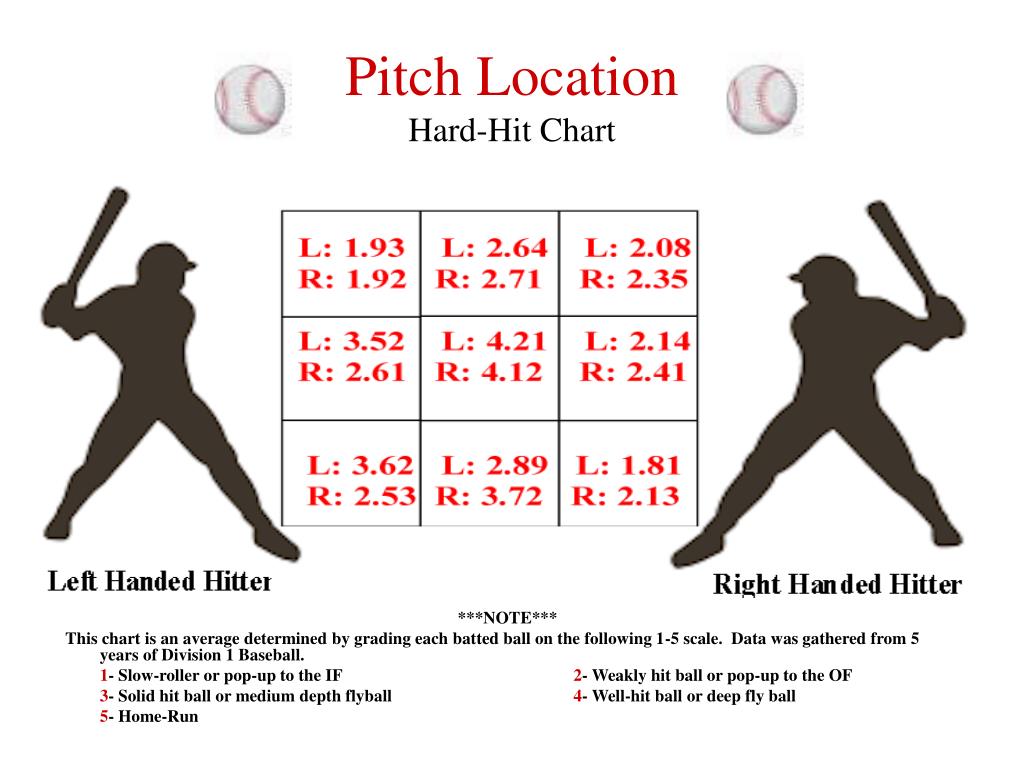
If you want to move beyond standard batting lines and truly understand modern matchups, you need to track specific sabermetric indicators. These stats reveal how a hitter actually performs against different types of pitching.
Whiff Rate (Swinging Strike Percentage)
Whiff rate measures how often a batter swings and misses divided by their total swings. A high whiff rate indicates that a hitter struggles to judge the trajectory of the ball or catch up to velocity. Comparing a hitter's whiff rate against fastballs versus breaking balls highlights their glaring weaknesses.
Chase Rate (O-Swing%)
Chase rate tracks how often a hitter swings at pitches outside the strike zone. Pitchers do not need to throw strikes to induce strikeouts anymore; they just need to execute competitive pitches that look like strikes out of the hand before breaking away. Elite pitchers thrive on getting hitters to chase balls in the dirt or up out of the zone.
When a hitter's chase rate climbs, their strikeout rate inevitably follows. They fall into counts where the pitcher dictates the terms of the at-bat.
Expected Statistics (xBA, xSLG, xwOBA)
Sometimes your favorite hitter is simply suffering from bad luck, but advanced metrics tell the real story. Expected statistics use exit velocity and launch angle off the bat to assign an expected outcome to every batted ball, removing defensive alignment from the equation. If a hitter has a high strikeout rate but elite expected numbers on contact, teams are usually willing to live with the whiffs.
How Modern Hitters Are Counter-Adjusting
Baseball is a game of constant adjustments. As pitching has dominated, the smartest hitters in the league are already finding ways to fight back. We are seeing the emergence of a new breed of professional hitter who combines elite bat-to-ball skills with modern power.
Instead of selling out for home runs on every pitch, these players shorten their approach with two strikes, choking up on the bat and focusing on middle-away field approaches. They study pitcher tendencies through virtual reality and machine-learning scouting reports, recognizing spin profiles in fractions of a second.
Conclusion
The next time your favorite player walks back to the dugout shaking their head after striking out, remember it is not a lack of effort. They are standing in a modern laboratory facing some of the most specialized athletes in human history, armed with physics, biomechanics, and triple-digit fastballs.
By keeping an eye on advanced hitter vs pitcher stats like whiff rates, chase percentages, and pitch-tracking metrics, you can appreciate the intricate chess match happening on every single pitch. Striking out might be painful to watch, but understanding the numbers behind it makes the game more fascinating than ever.