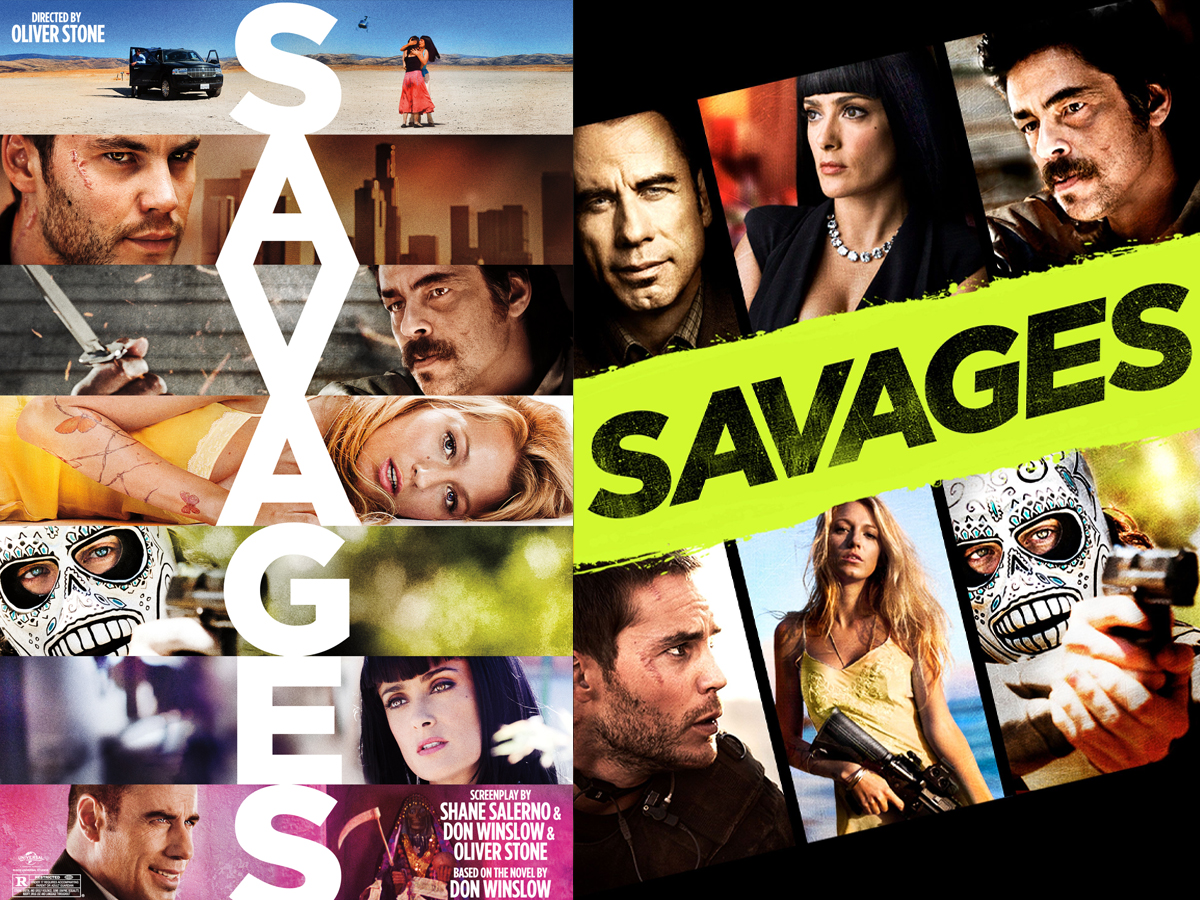
Hollywood’s Darkest Tales: Real Narco Movies
When the screen goes dark and the stylized violence of a modern cartel thriller begins, audiences are usually treated to a sleek, high-octane spectacle. Yet, behind the adrenaline-fueled shootouts and complex geopolitical chess matches lies a chilling truth. This is where Hollywood’s darkest tales—your guide to narco movies that aren’t just films—begin to blur the line between cinematic entertainment and historical journalism.
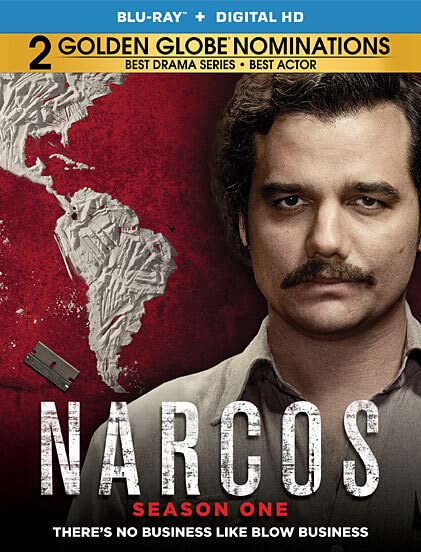
For decades, the global drug trade has provided filmmakers with endless narrative fuel. But the best crime cinema does more than shock; it exposes the structural corruption, human toll, and geopolitical realities of the multi-billion-dollar narcotics industry. If you want to look past the Hollywood gloss and understand the gritty reality, you need to know the stories behind the scripts.
The Evolution of Narco Cinema
To understand modern cartel movies, we have to look at how Hollywood’s depiction of the drug trade has evolved. In the 1980s and 1990s, films like Scarface and Traffic approached the subject through the lens of the American consumer market or operatic rise-and-fall gangster tropes. They were morality plays set against a backdrop of neon and excess.
However, as the drug war shifted southward and grew exponentially bloodier in the 2000s and 2010s, filmmakers changed their approach. The focus shifted away from the flashy kingpins sitting in mansions and moved toward the systemic rot, institutional failure, and the terrifying power of real-life cartels like Sinaloa, Juárez, and the Zetas. Directors began utilizing documentary-style realism to capture an ongoing war without a clear victory condition.
Masterpieces Rooted in Reality
Several landmark films stand out because they draw heavily from real-world investigations, leaked government documents, and firsthand accounts from journalists who risked their lives to expose the cartels.
Sicario (2015): The Moral Gray Zone
Directed by Denis Villeneuve, Sicario is often praised for its harrowing depiction of the U.S.-Mexico borderlands. While the characters are fictionalized, the operational tactics, the prevalence of tunnel networks, and the chilling normalization of public executions are pulled straight from contemporary headlines.
The film excels at illustrating the futility of traditional law enforcement approaches against entities that operate with near-infinite resources. It asks a devastating question: Can you fight monsters without becoming one yourself?
Video: Nicolas Cage, Laurence Fishburne In THE DRUG LORDS | Hollywood Action Thriller Full Movie In English

Cartel Land (2015): The Blur Between Film and Fact
Though technically a documentary rather than a traditional narrative feature, Matthew Heineman’s Cartel Land is essential viewing for anyone exploring this genre. The film follows armed citizen vigilantes in Mexico led by Dr. José Mireles, alongside an anti-methamphetamine group in Arizona.
The documentary provides unprecedented access to the front lines, proving that the chaos depicted in fiction often pales in comparison to the unregulated violence of the Michoacán mountains. It won critical acclaim precisely because the danger captured on camera was entirely real.
Key Themes in Authentic Cartel Thrillers
What separates a generic action flick from a genuinely resonant narco movie? Several recurring motifs define the genre:
- Institutional Corruption: The realization that cartels cannot survive without the complicity of politicians, judges, and law enforcement at every level.
- The Civilian Toll: Shifting the camera away from the kingpins to focus on journalists, refugees, and families caught in the crossfire.
- Economic Globalization: Showing how international banking systems and consumer demand in wealthy nations sustain the bloodshed.
The Real-World Cost of Telling These Stories
Making films about the drug trade is not without its risks. Investigative journalists in Mexico and Latin America put targets on their backs every time they publish an expose, and filmmakers working in the region must navigate delicate security protocols.
When you watch these movies, remember that the screenwriters often have to tone down reality to make it palatable for mainstream audiences. Real-world cartels operate with a level of psychological warfare and technological sophistication that defies easy categorization.
Conclusion: Watching Beyond the Screen
Narco movies serve as a vital window into a modern tragedy that impacts millions of lives. By looking past the cinematic flourishes and examining the historical roots, investigative journalism, and human stories behind these productions, viewers can transform passive entertainment into a deeper awareness of a global crisis.