Home Depot Door Trim Guide: Styles, Materials & Costs
Navigating Home Depot Door Trim Options

Upgrading your interior doors with fresh casing is one of the most cost-effective ways to modernize a room. When shopping for Home Depot door trim, the sheer variety of materials, profiles, and bundle sizes can feel overwhelming. Whether you are matching historic millwork in a 1920s bungalow or outfitting a sleek, modern build, understanding what is available in-store and online will save you time, money, and frustration.
Door trim—often referred to as casing—does more than just cover the gap between the drywall and the door jamb. It sets the architectural tone for the entire space. In this guide, we will break down the most popular styles, help you choose between MDF and solid wood, and give you practical tips for buying and installing your trim.
Popular Door Trim Styles at Home Depot
Home Depot stocks a wide selection of moulding profiles ranging from ultra-minimalist to ornate traditional. Choosing the right style depends on your home's interior design theme.
Traditional and Colonial Profiles
Colonial-style casing remains a staple in American homes. Characterized by gentle curves and subtle ridges, these profiles add classic elegance without looking overly busy. They blend seamlessly with traditional baseboards and crown molding. If you live in a suburban home built in the last forty years, colonial trim is likely what you are already replacing or matching.
Craftsman and Modern Flat Stock
For a cleaner, more contemporary look, many homeowners opt for Craftsman-style or flat stock trim. This style relies on geometric lines, flat surfaces, and distinct right angles. You can easily build a custom Craftsman look using simple primed boards combined with a header piece and a small stool or fillet.
Victorian and Ornate Options
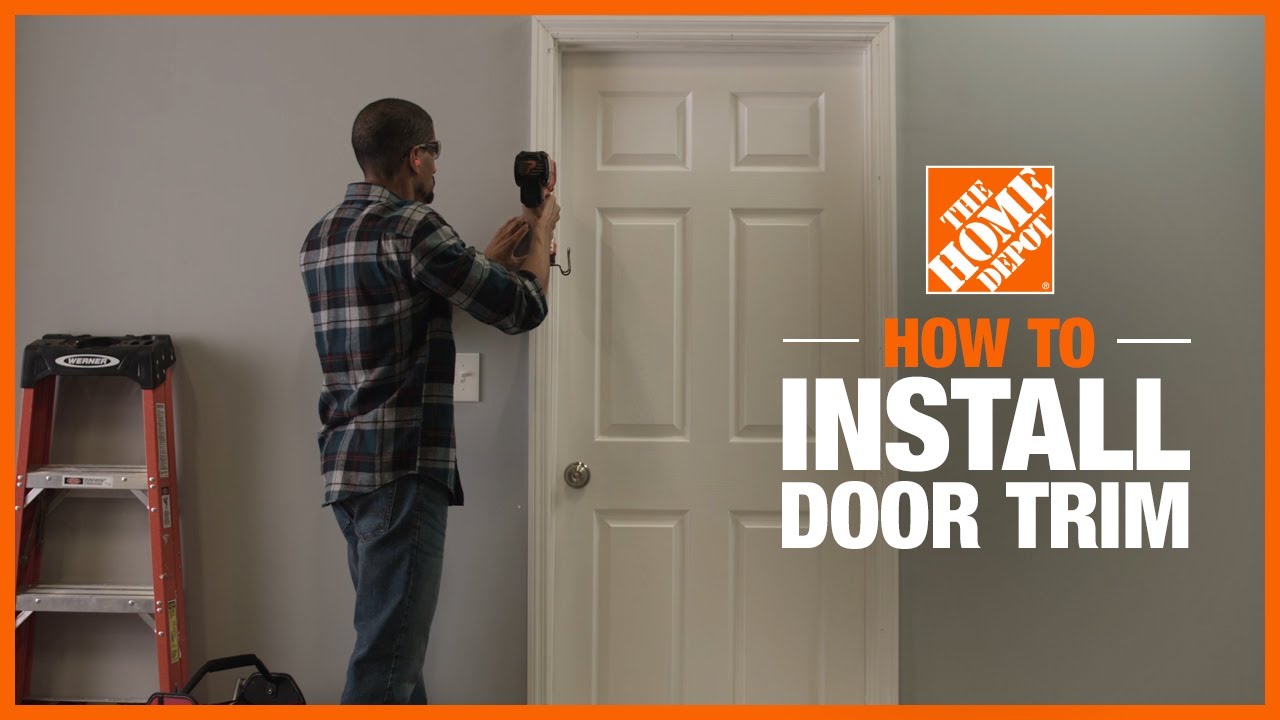
Video: How to Install Door Trim | The Home Depot

If you are restoring an older home, you might need intricate fluted casings paired with corner block rosettes. While many standard big-box locations keep these in limited supply, Home Depot's online catalog offers extensive historical profiles that can be shipped directly to your door or local store.
Choosing Your Material: MDF vs. Solid Wood vs. PVC
The material you select impacts durability, cost, and how easy the trim is to paint or stain. Here is how the primary options stack up:
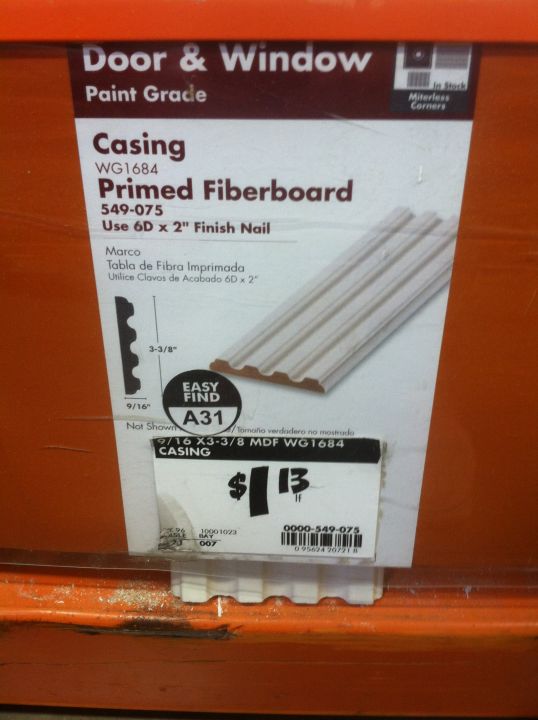
- Primed MDF (Medium-Density Fiberboard): This is the most popular choice for painted trim. It is budget-friendly, warp-resistant, and features a smooth, knot-free surface that takes paint exceptionally well. However, it is vulnerable to water damage, making it unsuitable for exterior doors or high-moisture bathrooms.
- Finger-Jointed Pine: Made from smaller pieces of solid wood glued together, this material is stable, affordable, and easy to paint. Like MDF, it comes pre-primed and is a great middle-ground for interior doors.
- Solid Hardwoods (Oak, Poplar, Maple): If you plan to stain your trim rather than paint it, look for solid wood options. Poplar is relatively inexpensive and easy to paint or stain, while red oak and maple offer rich, durable grain patterns at a higher price point.
- PVC / Polyurethane: Ideal for exterior doors or humid interior environments like basements and bathrooms. PVC will never rot, warp, or absorb moisture, though it costs significantly more than MDF.
Buying Tips: Bundles vs. Individual Pieces
When you walk down the moulding aisle at Home Depot, you will notice materials sold both by the individual piece (typically in 7-foot, 8-foot, or 16-foot lengths) and in pre-bundled door kits.
Door trim kits include pre-cut legs and header pieces sized for standard 2/0, 2/4, 2/6, 2/8, or 3/0 doors. These kits save you from measuring and cutting every single piece from scratch, significantly speeding up installation. However, if your home has non-standard door heights or settling has thrown your jambs out of square, buying individual sticks of casing and cutting them to fit manually is usually the safer bet.
Essential Tools for Installation
To get a professional finish on your Home Depot door trim project, you need the right tools on hand before you start cutting:
- Miter Saw: Essential for making clean 45-degree cuts on your casing corners.
- Brad Nailer: A pneumatic or battery-powered 18-gauge brad nailer allows you to secure the trim quickly without splitting the wood.
- Coping Saw (Optional): If you prefer to cope your interior corners rather than miter them, a coping saw ensures tight, gap-free joints even if walls aren't perfectly square.
- Wood Filler and Caulk: Crucial for filling nail holes and sealing gaps between the casing and the wall before painting.
Final Thoughts
Tackling a trim upgrade with materials from Home Depot is a rewarding weekend project that instantly boosts your home's aesthetic value. Take accurate measurements of your doors, decide whether you are painting or staining, and choose the material that fits both your budget and lifestyle. With careful cuts and proper finishing, your new door trim will look like custom-built carpentry.