Homecraft Band Saw Guide: History, Parts, & Tips
Understanding the Homecraft Band Saw Legacy

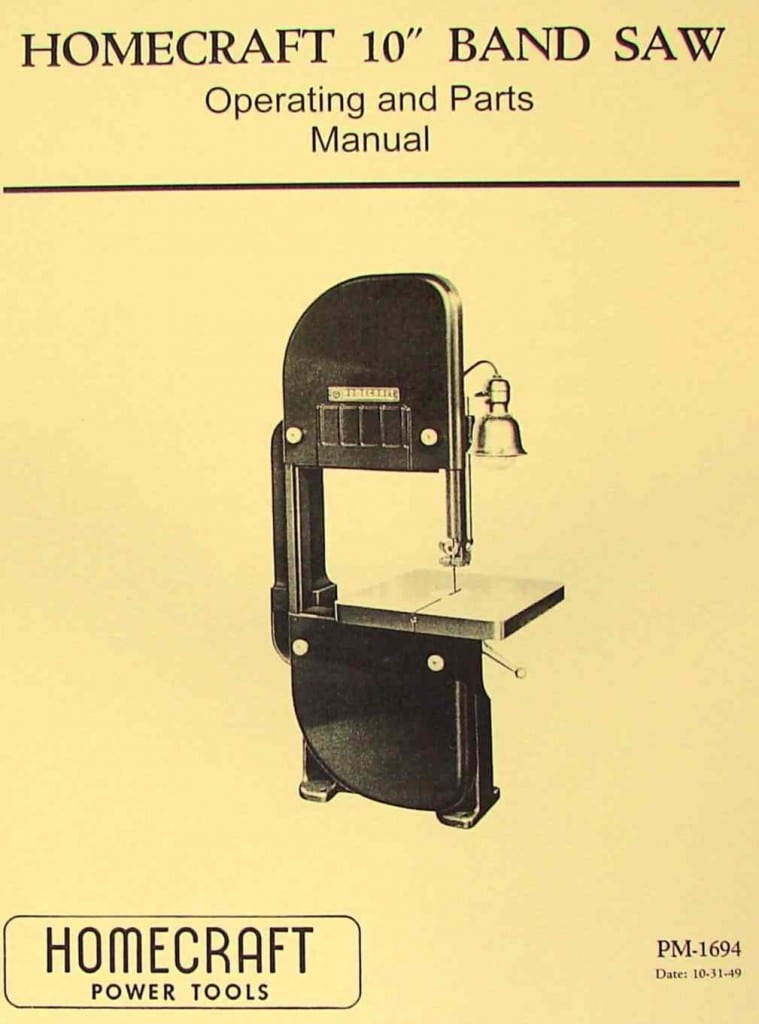
For woodworking enthusiasts and vintage tool collectors, the name Homecraft holds a special place in history. Introduced by the Delta Manufacturing Company in the 1930s and 1940s, the Homecraft line was specifically engineered for the growing home hobbyist market. Among their most popular offerings was the Homecraft band saw, a compact yet remarkably durable machine designed to bring professional-grade cutting capabilities into residential garages and basements.
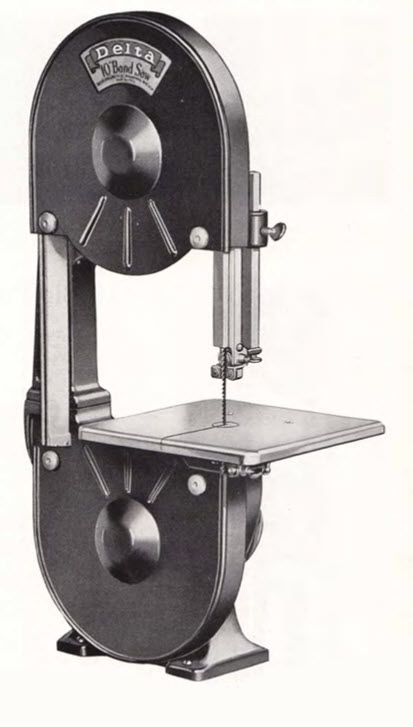
While modern machinery relies heavily on stamped steel and lightweight alloys, vintage Homecraft models were built using heavy-duty cast iron frames. This robust construction effectively absorbed vibration, resulting in remarkably smooth cuts. If you recently inherited one of these classic saws or are considering purchasing a restored unit from the used market, understanding its anatomy, maintenance needs, and operating quirks will help you get the most out of it.
Key Features of Vintage Homecraft Models
Delta designed the Homecraft series to be accessible without sacrificing mechanical integrity. Most vintage band saws in this lineup featured a 10-inch or 11-inch wheel configuration, making them ideal for smaller woodworking projects, furniture making, and intricate scrollwork.
Cast Iron Construction
The primary advantage of a vintage Homecraft band saw is its rigidity. The frame, table, and wheels are constructed from solid cast iron. This ensures that the saw stays true during heavy cuts, resisting the flexing that plagues many modern entry-level benchtop saws.
Open-Stand and Benchtop Designs
Depending on the specific model year, these saws were sold as standalone units on steel open-stands or as benchtop models. The benchtop versions allowed hobbyists with limited workshop space to bolt the tool directly to a workbench, while still retaining the heavy-duty cutting capacity associated with larger floor models.
Essential Anatomy of the Saw

Operating and maintaining a vintage machine requires familiarity with its core mechanical assemblies. Knowing how these parts interact ensures both precision and safety in the workshop.
- Upper and Lower Wheels: Rubber-tired cast iron wheels that drive the blade. Ensuring the tires are free of cracks is vital for proper blade tracking.
- Blade Guides: Typically consisting of adjustable blocks or small bearings above and below the work table to keep the blade from twisting or deflecting during a cut.
- Table Tilt Mechanism: A trunnion system that allows the cast iron table to tilt up to 45 degrees for bevel cuts.
- Tensioning Mechanism: A spring-loaded screw assembly at the top of the frame used to apply proper tension to the blade.
Restoring and Maintaining an Older Homecraft Band Saw
Because these machines are decades old, finding one in 'plug-and-play' condition is rare. Most require a certain amount of restoration, which is often half the fun for woodworking traditionalists.
- Clean and De-rust: Remove surface rust from the cast iron table using fine steel wool, a non-toxic rust remover, and a protective coat of paste wax to prevent future oxidation.
- Inspect the Tires: Old rubber tires often dry out, crack, or flatten over time. Replace them with modern urethane tires for better blade tracking and grip.
- Upgrade Bearings and Guides: Check the wheel bearings for smooth rotation. Replace worn-out guide blocks with modern friction blocks or roller guides if compatible.
- Check the Motor and Belt: Many older saws feature original fractional horsepower induction motors. Inspect the electrical wiring for frayed insulation and replace the V-belt if it shows signs of dry rot.
Safety Tips for Using Vintage Machinery
Vintage woodworking machinery is built to last, but older models typically lack modern safety features such as electronic blade brakes or comprehensive lower-wheel guards. Operating a Homecraft band saw requires strict adherence to workshop safety protocols.
Always disconnect the power source before changing blades or making adjustments to the guide assemblies. Ensure that the blade tension is correctly adjusted—over-tensioning can snap older blades, while under-tensioning causes the blade to wander. Finally, keep your fingers clear of the cutting line by utilizing push sticks when working with narrow stock.
Is a Vintage Homecraft Band Saw Right for You?
If you enjoy restoring vintage tools and appreciate the bulletproof durability of mid-century cast iron, a Homecraft band saw is a fantastic addition to your shop. It performs admirably on hardwoods, plywood, and even resawing small stock when paired with a sharp, high-quality blade.
However, if you require massive resaw capacity, laser guides, or quick-release tension levers out of the box, a modern machine might better suit your workflow. For the traditional woodworker, nevertheless, restoring and using a classic Homecraft machine connects you to an era of exceptional American manufacturing heritage.