How $3 Billion Wasn’t Just Money—El Chapo’s Miracles of Wealth Explained!
When Forbes added Joaquín "El Chapo" Guzmán to its billionaires list in 2009, it sent shockwaves through the global financial and intelligence communities. Valuing his personal net worth at approximately $3 billion, the publication put a concrete figure on the staggering economy of the Sinaloa Cartel. Yet, viewing this massive sum through a traditional capitalist lens misses the entire point. To understand organized crime at the highest level, one must realize that How $3 Billion Wasn’t Just Money—El Chapo’s Miracles of Wealth Explained goes far beyond bank accounts, luxury cars, and hidden vaults.
For Guzmán, capital was not merely a medium of exchange; it was a socio-political tool, an operational weapon, and a protective shield. This article breaks down how El Chapo’s multi-billion-dollar empire functioned, why traditional financial metrics fail to capture its true value, and how this wealth reshaped nations.
The Anatomy of a $3 Billion Drug Empire
To comprehend El Chapo's wealth, we must look at the vertical integration of the Sinaloa Cartel. Unlike traditional businesses that rely on consumer goods or services, Guzmán's enterprise controlled every step of the global supply chain—from raw material sourcing in South America to street-level distribution in Chicago, New York, and Europe.
Control of the Supply Chain
The cartel operated with corporate efficiency. By cutting out middlemen, Guzmán maximized profit margins on every kilogram of cocaine, heroin, and methamphetamine.
- Production: Direct partnerships with coca farmers in Colombia, Peru, and Bolivia.
- Transportation: A sophisticated logistics network utilizing submersibles, container ships, private jets, and cross-border tunnels.
- Distribution: Franchised distribution cells in major international cities that ensured a steady, reliable cash flow.
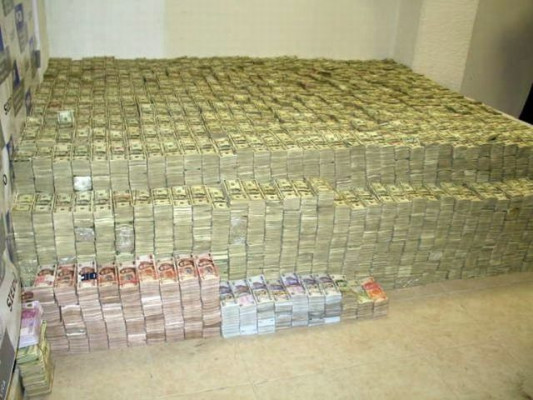
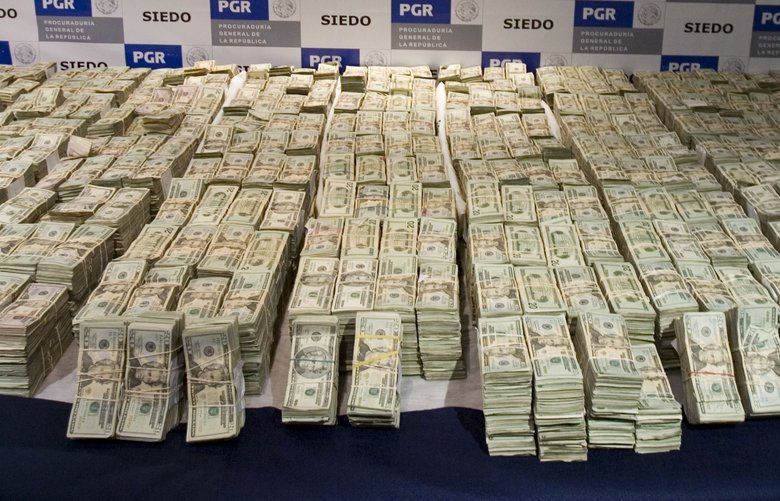
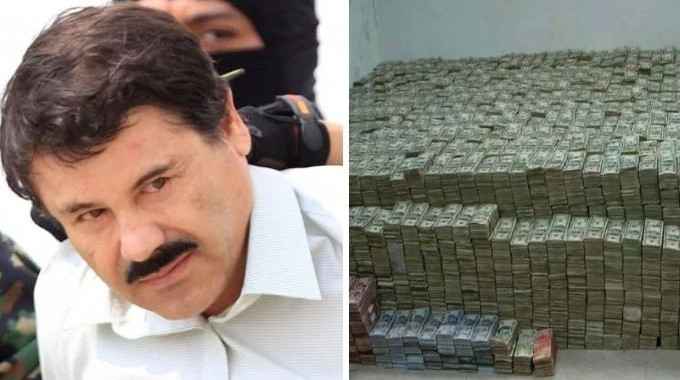
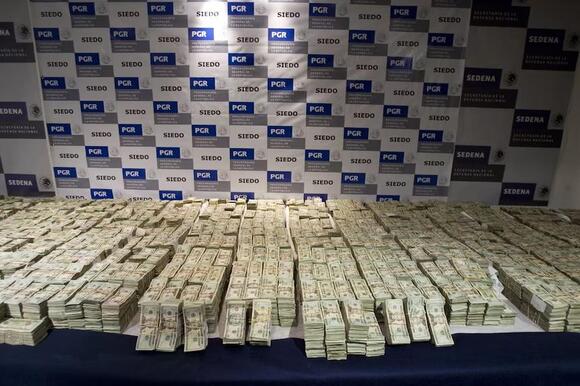
However, generating billions in cash creates a massive logistical headache: what do you do with rooms full of physical currency?
Beyond Currency: How Wealth Bought Power and Survival
In the world of transnational cartels, liquid cash is a liability. It is bulky, heavy, and vulnerable to seizure. For El Chapo, the true "miracle" of his wealth was his ability to convert dirty paper cash into intangible assets that money alone shouldn't be able to buy.
State Capture and Corruption
A significant portion of the $3 billion fortune was immediately funneled back into the system as operational overhead—specifically, bribery on a monumental scale. Guzmán famously operated on a simple strategy: *plata o plomo* (silver or lead).
Billions of dollars were deployed to corrupt:
- Local, state, and federal police forces.
- High-ranking military officials and politicians.
- Judicial systems and prison wardens.
This systematic bribery meant that the wealth bought early warnings, safe passage for drug shipments, and guaranteed impunity. When law enforcement did close in, the money bought targeted jailbreaks—such as his legendary 2001 escape in a laundry cart and his 2015 escape through a sophisticated, mile-long illuminated tunnel beneath his prison cell.
Economic Subsidies and Social Capital
El Chapo’s wealth also functioned as a parallel welfare state in his home turf of Sinaloa. By building schools, churches, roads, and hosting massive community events, Guzmán bought something money rarely secures in the open market: absolute loyalty.
To the rural poor in the "Golden Triangle" of Mexico, the cartel leader was seen not as a criminal, but as a benefactor who provided jobs, infrastructure, and security where the government failed to do so. This social armor made it nearly impossible for law enforcement to operate without facing civilian resistance and intelligence blackouts.
The Laundering Machine: Turning Cash into Legitimate Assets
Accumulating billions in illicit cash requires an equally vast laundering apparatus. El Chapo utilized complex international financial networks, front companies, and real estate portfolios to clean his capital.
Cartel accountants worked with corrupt bankers in Mexico, Central America, and the Caribbean to route funds through legitimate commercial fronts, including commercial fisheries, real estate developments, and retail chains. By blending illicit funds with legal enterprise, the money became normalized, allowing the cartel to purchase luxury assets without triggering immediate regulatory flags.
The Illusion of Seizure: Why the Empire Survived
Governments often celebrate the seizure of millions—or even billions—in cartel assets. However, the operational reality of the Sinaloa Cartel meant that losing a few million dollars in cash or property was merely a cost of doing business. The structural foundation of the empire—its routes, its corrupt networks, its human capital, and its violent enforcement arm—remained intact.
Even after Guzmán's final extradition to the United States and his subsequent life sentence in a federal supermax prison, the financial machinery he helped architect continued to function. The organization diversified, adapting to new markets like synthetic opioids, proving that the wealth was institutionalized rather than tied to a single individual.
Conclusion
Ultimately, the story of Joaquín Guzmán Loera is not just a tale of criminal enterprise, but a masterclass in how capital can distort governance and society. When examining How $3 Billion Wasn’t Just Money—El Chapo’s Miracles of Wealth Explained, we see a dark blueprint of modern globalization. Guzmán's fortune bought time, space, loyalty, and immunity, proving that in the shadows of the international drug trade, money is the ultimate shapeshifter.