How AutoZone Achieved Its Massive Net Worth
Introduction
When thinking about retail giants, companies like Walmart or Amazon usually come to mind first. However, quietly tucked away in strip malls and commercial corridors across the Americas is a financial powerhouse that outpaces many household names in sheer capital efficiency. How Did Autozone Achieve a Net Worth That Dominates the Auto Sector? The answer is not found in a single viral product, but rather in a decades-long masterclass in supply chain logistics, disciplined capital allocation, and an unyielding commitment to both DIY (Do-It-Yourself) and DIFM (Do-It-For-Me) customers.
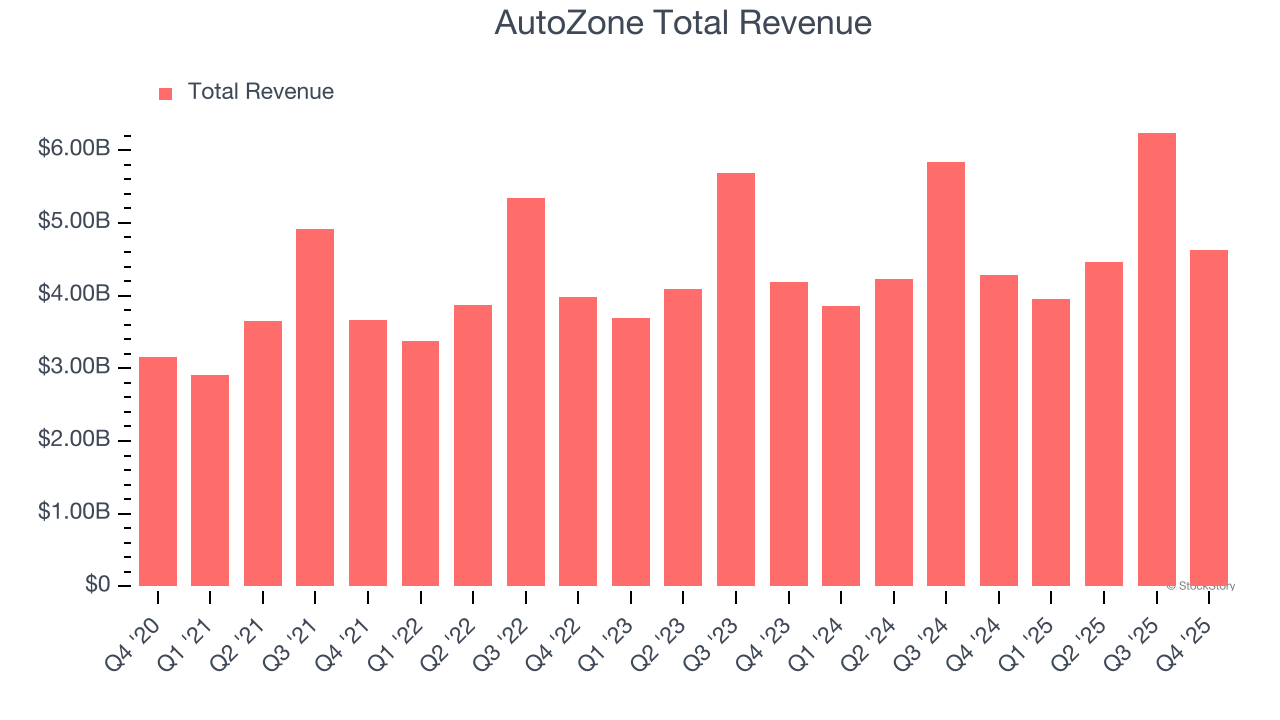
Today, AutoZone commands a market capitalization well north of $50 billion, routinely outperforming broader market indices and rivaling competitors through meticulous execution. To understand how the company reached this pinnacle of the automotive aftermarket, we must dissect the core pillars of its business model.
The Genesis and Evolution of AutoZone
AutoZone’s story began in 1979 when Pitt Holland opened the first Auto Shack store in Forrest City, Arkansas, as a division of Malone & Hyde. The concept was simple: clean, well-lit stores, friendly customer service, and a broad inventory of affordable auto parts. The company eventually rebranded to AutoZone in 1987, going public in 1991.
From the outset, management focused on standardization. Every store followed a similar layout, making inventory tracking and employee training seamless. This operational discipline laid the groundwork for rapid, profitable expansion. Instead of chasing speculative ventures, AutoZone stuck to what it knew best: keeping cars on the road.
The Power of Share Buybacks and Capital Allocation
One of the most defining factors in AutoZone’s soaring valuation is its aggressive, highly successful share repurchase program. Since 1998, the company has bought back a massive percentage of its outstanding common stock.
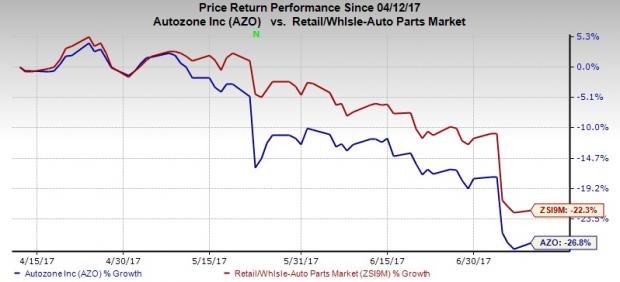
Many corporate finance critics caution against excessive buybacks, but AutoZone used them to create a compounding machine. By continuously reducing share count while steadily growing net income, the company dramatically increased its Earnings Per Share (EPS). This financial engineering, backed by consistent underlying retail growth, made AutoZone stock a darling of long-term institutional investors and value seekers alike.
Supply Chain and Inventory Mastery
In the auto parts business, availability is everything. If a customer or a local mechanic needs an alternator, they need it immediately. AutoZone built its competitive moat by solving the complex logistical challenge of parts distribution.

Hub and Spoke Distribution Model
AutoZone pioneered an efficient distribution network known as the "hub and spoke" model:
- Mega Hubs: Large, centralized warehouses holding massive inventories of slow-moving and specialized parts.
- Hub Stores: Facilities strategically positioned to supply surrounding retail locations multiple times a day.
- Spoke Stores: Standard retail locations that maintain high-turnover items on-site and rely on the hub network to fulfill rare requests within hours.
This tiered system ensures that local stores do not tie up excessive capital in inventory that rarely sells, while still offering customers access to virtually any part they might need on short notice.
Balancing DIY and Commercial Growth
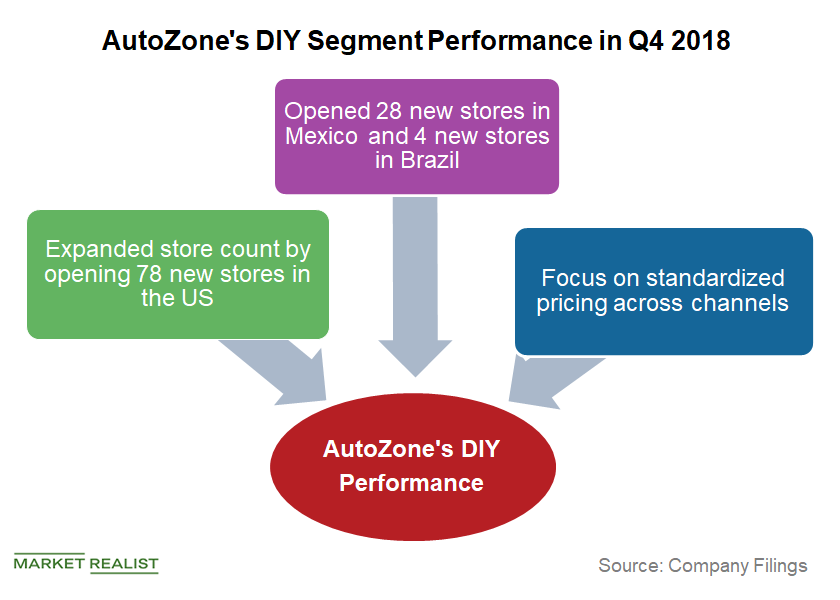
Historically, AutoZone was known as the go-to destination for weekend mechanics changing their own oil, brake pads, or spark plugs. However, the true catalyst for its modern financial dominance has been the aggressive expansion into the commercial (DIFM) market.
Independent repair shops need reliable parts delivered rapidly. By leveraging its expansive store footprint and dedicated commercial delivery fleets, AutoZone carved out significant market share from traditional commercial-only wholesalers. Servicing repair shops provided AutoZone with steady, high-volume, recession-resistant revenue streams that complemented its traditional retail customer base.
Culture, Technology, and Customer Service
Behind the balance sheets and logistical networks lies the corporate culture famously summarized by the "AutoZoner" ethos. Frontline employees are trained extensively in automotive diagnostics and customer service, offering free battery testing, check-engine-light readings, and wiper blade installations.
Furthermore, the company has invested heavily in digital infrastructure. Customers can diagnose issues online, order parts for in-store pickup, or access a robust loyalty program that encourages repeat business. This omnichannel approach ensures that AutoZone captures tech-savvy consumers without alienating those who prefer walking into a brick-and-mortar storefront for advice.
Conclusion
AutoZone’s journey to the top of the automotive aftermarket is a testament to the power of operational excellence. By combining disciplined inventory management, a genius capital allocation strategy centered on share buybacks, and a dual focus on DIY and commercial mechanics, the company built a financial fortress. Ultimately, AutoZone achieved its dominant net worth not through luck, but by executing the fundamentals of retail better and more consistently than almost anyone else in the industry.