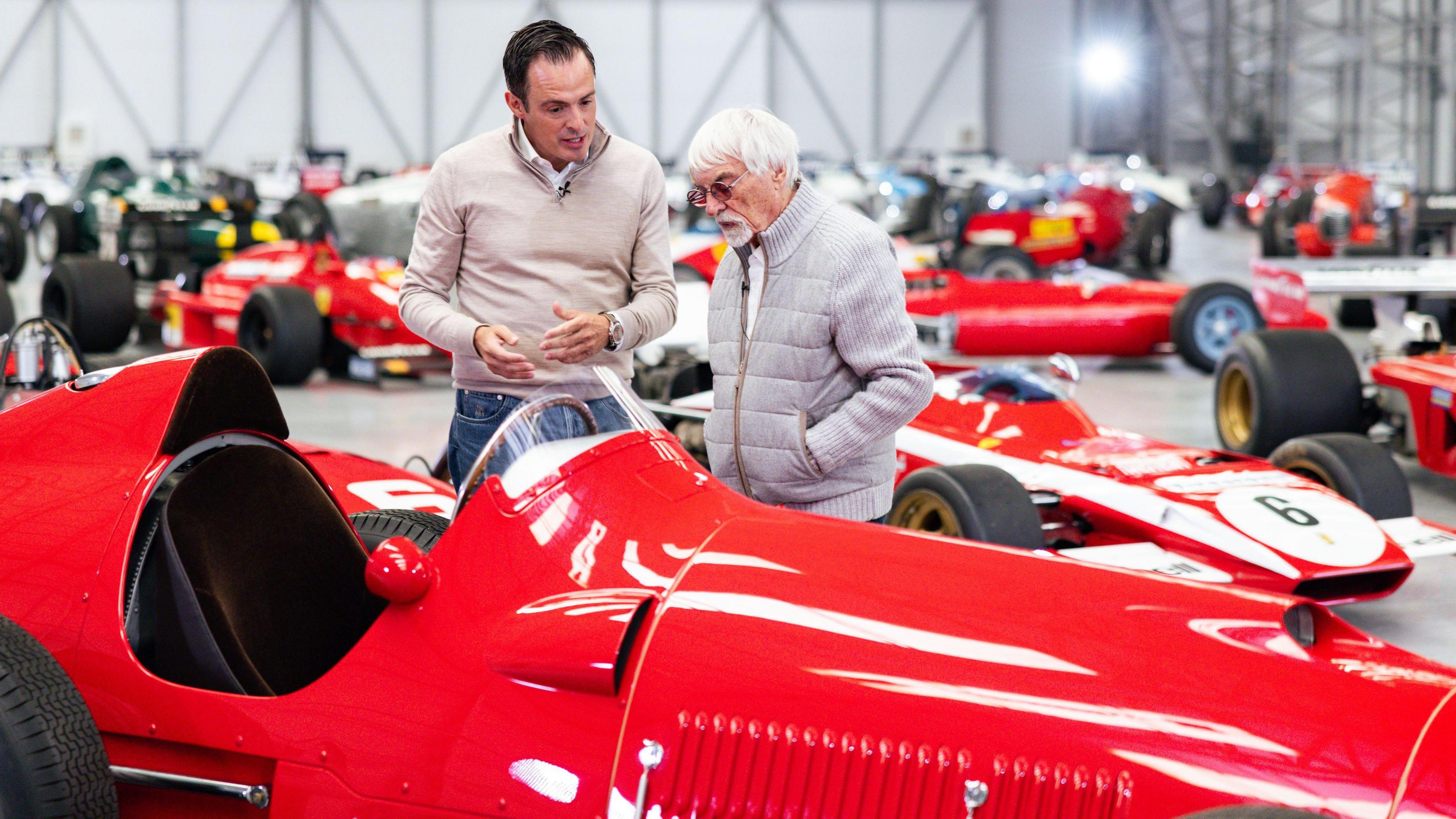
How Bernie Ecclestone Built a $1 Billion Wealth
From Used Cars to the Paddock

Long before Formula 1 became a glitzy, high-tech global spectacle broadcast to hundreds of millions of living rooms, it was a dangerous, disorganized sport dominated by eccentric garagistes and wealthy gentlemen drivers. Enter Bernard Charles Ecclestone. Born into a working-class family in Suffolk, England, Ecclestone left school at 16 to work in a chemical laboratory, but his true calling was commerce. He quickly pivoted to buying and selling motorcycles, eventually expanding into used cars just as post-war Britain experienced a boom in private transport.
Ecclestone’s early ventures taught him the fundamentals of leverage, cash flow, and calculated risk. In the late 1940s, he even tried his hand at racing himself, competing in the 503cc Cooper Formula 3 car. While he was a competent driver, a near-death crash at Brands Hatch convinced him that his talents lay on the pit wall rather than behind the wheel. That realization set the stage for how Bernie Ecclestone built a $1 billion wealth—not by driving the fastest cars, but by owning the ecosystem in which they raced.
The Takeover of Formula 1: Seizing Control of the FOTA
Ecclestone’s ascent within motorsport began in 1958 when he managed driver Stuart Lewis-Evans. Following Lewis-Evans' tragic death, Ecclestone stepped away briefly before returning in 1972 to purchase the Brabham F1 team for just £100,000. Operating from a cramped industrial estate in Chessington, he transformed Brabham into a championship-winning outfit, securing world titles with Nelson Piquet in 1981 and 1983.
However, running a team was merely a stepping stone. Ecclestone quickly recognized that the fragmented nature of Formula 1 left teams vulnerable and promoters underpaid. Alongside contemporaries like Max Mosley, Frank Williams, and Colin Chapman, Ecclestone formed the Formula One Constructors Association (FOCA). This collective bargaining unit shifted power away from the governing body, the FIA, and directly into the hands of the teams—with Ecclestone acting as their chief negotiator.
Mastering Commercial Rights and Television
The true cornerstone of Ecclestone's billion-dollar empire was his absolute mastery of television rights. In the late 1970s and 1980s, television coverage of sports was localized and fragmented. Ecclestone saw an opportunity to centralize these rights, packaging them into a single, highly marketable product for global broadcasters.
- Centralized Packaging: Instead of individual circuits negotiating with local TV stations, Ecclestone created a unified broadcast package for the entire championship.
- The Formula One Promotions and Administration (FOPA): Established in the 1980s, FOPA handled television production and distribution, ensuring high-quality feeds that kept viewers glued to their screens.
- Revenue Sharing: Ecclestone guaranteed payouts to the teams in exchange for signing the Concorde Agreement, locking them into the commercial structure and crushing rival series proposals.
By controlling the feed, Ecclestone controlled the narrative. Broadcasters paid premium fees for exclusive access, turning local motor races into a globally synchronized television event.
The Concorde Agreement: Locking Down the Grid
To maintain absolute authority, Ecclestone engineered the Concorde Agreement—a binding contract between the FIA, the Formula 1 teams, and the commercial rights holder. First signed in 1981 and renewed multiple times over the decades, this document was a masterclass in corporate governance.
The agreement effectively neutralized rival racing series, such as the proposed Grand Prix World Championship, by legally binding the top teams to Formula 1. In exchange for guaranteed financial distributions, teams ceded all commercial and television rights to Ecclestone’s entities. This created an impenetrable moat around the sport, preventing outside competition and cementing Ecclestone's role as the indispensable gatekeeper of elite motorsport.
Video: How Bernie Ecclestone Built a Billion-Dollar Formula 1 Empire | Epic Wealth

The Grand Prix Paddock Club and Corporate Hospitality
Ecclestone understood that the true wealth in motorsport did not come from general admission ticket sales. It came from corporate excess. He invented the modern concept of VIP motorsport hospitality by creating the Formula One Paddock Club.
By offering wealthy executives, celebrities, and global brands air-conditioned suites above the team garages, gourmet dining, and exclusive pit-lane access, Ecclestone turned a weekend car race into a high-end networking event. Corporations were willing to pay astronomical sums to entertain clients, and Ecclestone captured almost every dollar of that high-margin revenue stream.
Monetizing the Tracks: Hosting Fees
As the global appetite for Formula 1 surged, circuit owners found themselves in fierce bidding wars. Traditionally, tracks paid a modest fee to host a Grand Prix and kept the ticket sales. Ecclestone flipped this model entirely.
He began demanding exorbitant hosting fees simply for the privilege of staging a race. Newer, oil-rich nations in the Middle East and Asia—such as Bahrain, Abu Dhabi, and Singapore—were more than willing to write nine-figure checks to secure global prestige. Meanwhile, historic European tracks like Silverstone and Monza were forced to streamline their operations and renegotiate terms to survive. This shift transformed the Formula 1 calendar from a European-centric sport into a lucrative global roadshow.
The CVC Capital Partners Sale
The culmination of Ecclestone’s financial empire arrived in 2006 when private equity firm CVC Capital Partners acquired a controlling stake in Formula One's parent companies. Ecclestone orchestrated the multi-billion-dollar transaction, netting a massive personal windfall while retaining his position as Chief Executive Officer.
Even after the sale, Ecclestone continued to run the day-to-day operations of the sport with an iron fist, earning hefty management bonuses and securing his billionaire status. When Liberty Media finally bought out CVC in 2017 for $8 billion, Ecclestone was gracefully (and lucratively) ushered out as Chairman Emeritus, capping off a half-century reign.
Lessons from a Motorsport Maverick
Bernie Ecclestone’s journey from a used car salesman to a billionaire titan offers enduring lessons in modern business strategy:
- Control the Bottleneck: Ecclestone did not build the fastest cars or own the racetracks; he owned the exclusive right to broadcast and commercialize the sport.
- Consolidate Fragmented Markets: By uniting disparate teams under the Concorde Agreement, he eliminated chaos and created a unified commercial entity.
- Target High-Value Segments: He recognized early that corporate sponsors and luxury hospitality yield far higher margins than mass-market ticket sales.
Ultimately, Ecclestone's path proves that supreme wealth is built not by participating in an industry, but by owning the infrastructure upon which everyone else depends.