How BLACKPINK is Reshaping Global Fashion
Introduction to the BLACKPINK Phenomenon

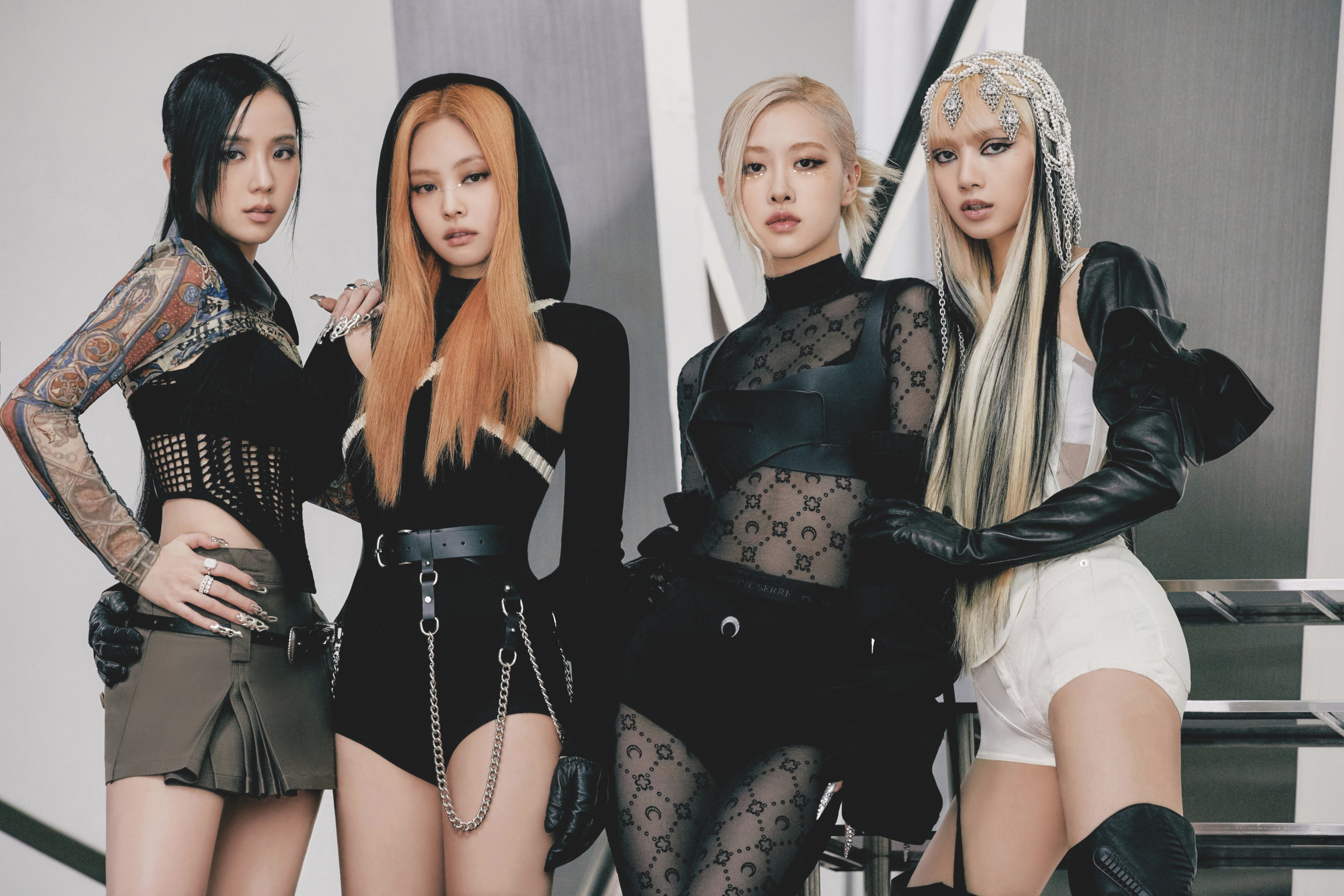
In less than a decade, the K-pop powerhouse BLACKPINK transcended the boundaries of the music industry to become the most formidable force in contemporary style. Comprising Jennie, Jisoo, Rosé, and Lisa, the quartet has captured the attention of haute couture houses and streetwear labels alike. However, behind the glamorous magazine covers and front-row seats at Paris Fashion Week lies a complex reality. The Black Pink influence hurts traditional industry gatekeepers, upends legacy marketing models, and accelerates the fast-paced cycle of modern trend consumption.
As consumers increasingly look to Seoul for style cues, legacy fashion institutions are forced to adapt or risk irrelevance. Understanding this shift requires looking beyond the aesthetics to examine the economic and cultural mechanics driving the modern style landscape.
The Black Pink Influence Hurts Traditional Luxury Models
For decades, European and American luxury houses maintained strict control over their brand image, relying on classical Hollywood actors and established supermodels to project exclusivity. The rise of K-pop completely disrupted this paradigm. When Celine, Chanel, Dior, and Saint Laurent appointed the members of BLACKPINK as global brand ambassadors, they did not just sign pop stars; they tapped into hyper-engaged digital communities capable of moving global markets overnight.
This dynamic creates a severe imbalance for heritage brands that fail to capture younger demographics. The sheer scale of engagement generated by a single Instagram post from Lisa or Jennie can overshadow an entire seasonal campaign from a legacy house. Consequently, traditional luxury marketing budgets are shifting massively toward Asian markets and digital-first personalities, leaving older, localized celebrity endorsements struggling to justify their ROI.
Redefining the Brand Ambassador Concept
Historically, a brand ambassador was a passive muse who wore designs on the red carpet. BLACKPINK redefined this role into an active partnership:
- Co-creation and Capsule Collections: Members frequently collaborate on design elements, blending their personal street style with heritage craftsmanship.
- Immediate Sell-Out Power: Items worn by the group at airports or casual outings sell out globally within minutes, driven by real-time social media tracking.
- Cultural Translation: They bridge Western luxury with Asian consumer preferences, proving that regional stars can command undisputed global appeal.
The Double-Edged Sword of Accelerated Trend Cycles

While brands reap unprecedented financial rewards from this partnership, the hyper-accelerated pace set by K-pop fandoms presents significant sustainability challenges. The demand for constant novelty means that a trend popularized by BLACKPINK can peak and fade in a matter of weeks.
Gen Z and millennial consumers demand immediate access to the exact pieces worn by their idols. This pressure trickles down from top-tier luxury to fast-fashion knockoffs, fueling a culture of overconsumption. The environmental toll of replicating thousands of runway looks overnight contradicts the sustainability pledges many fashion houses claim to prioritize, illustrating how relentless digital influence can conflict with ecological responsibility.
Shaping the Future of Global Retail
The impact of BLACKPINK extends far beyond individual garment sales; it is fundamentally altering retail architecture and consumer psychology. Flagship stores in fashion capitals now design experiential spaces specifically tailored for social media photo opportunities, recognizing that physical retail must compete with digital engagement.
Furthermore, the group has democratized access to luxury. By mixing high-end designer pieces with accessible streetwear, they taught a global audience that style is about personal curation rather than strict adherence to luxury codes. This accessibility appeals deeply to modern consumers who value authenticity over elitism.
Conclusion
The cultural footprint of Jennie, Jisoo, Rosé, and Lisa proves that the center of gravity in global style has officially shifted eastward. While traditional institutions may find that the rapid disruption hurts legacy business models, the broader industry is undeniably more vibrant, diverse, and digitally connected as a result. As these four artists continue to chart their individual and collective paths, their blueprint will guide the next generation of fashion marketing for decades to come.