How Bruce Lee Turned His Brand into Billions
When Bruce Lee tragically passed away in 1973 at the age of 32, he left behind a cinematic legacy that changed Hollywood forever. Yet, his bank account at the time did not reflect the magnitude of his cultural impact. While he earned decent paychecks for groundbreaking films like Enter the Dragon, he was largely viewed by studio executives as a regional action star rather than a commercial powerhouse. However, over the decades that followed, smart estate management, timeless philosophy, and aggressive intellectual property strategy proved **how Bruce Lee turned his brand into billions: the shocking financial journey of a martial arts genius**.
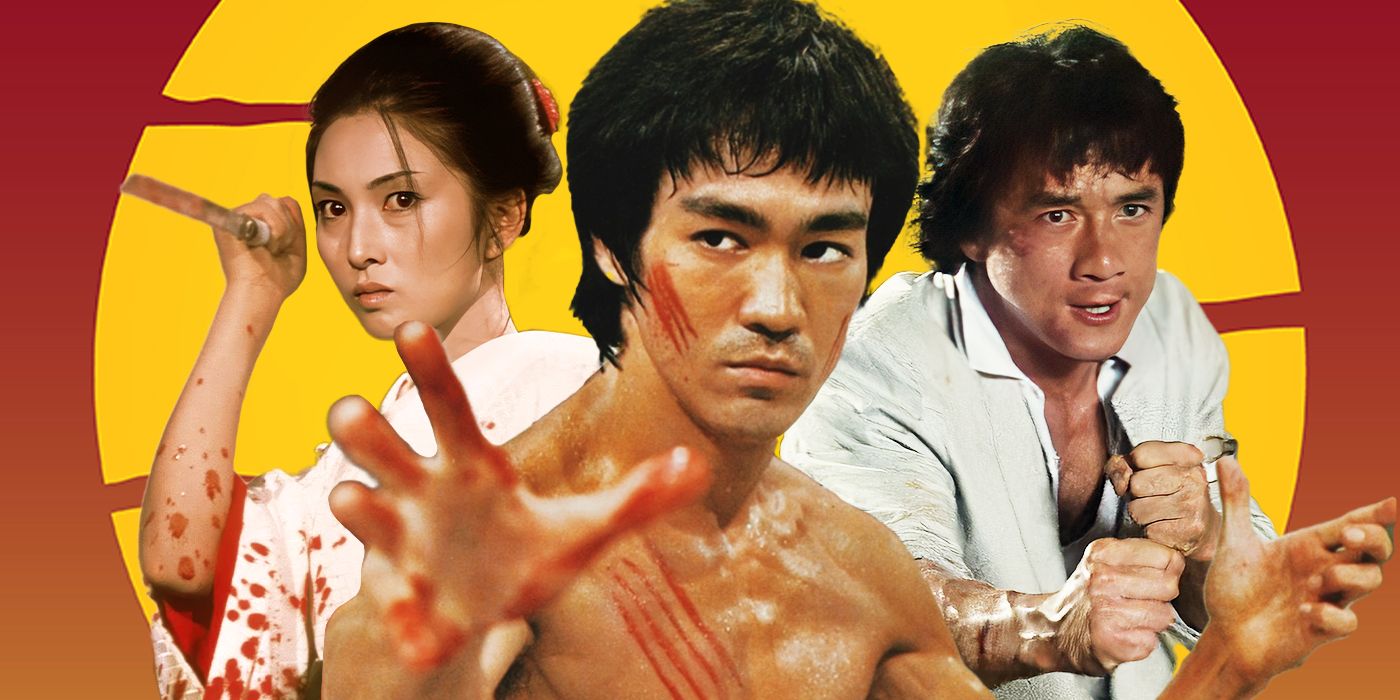
Today, the Bruce Lee enterprise generates millions annually through clothing lines, spirits, fitness equipment, and media licensing. Understanding this journey offers a masterclass in modern personal branding, proving that authenticity and a distinct philosophy can outlive any single product or movie franchise.
The Early Struggle: Art Over Commerce
Before Bruce Lee became a global icon, his financial life was defined by the precarious grind of a martial arts instructor. In the 1960s, he opened Jun Fan Gung Fu institutes in Seattle and Oakland before moving to Los Angeles. Teaching martial arts, however, was not a scalable business model.
Realizing the physical limitations of trading time for money, Lee shifted his focus to television and film. He famously pitched a television concept called The Warrior—which featured a martial artist in the American Old West—only to see the idea allegedly repurposed into the hit series Kung Fu starring David Carradine, with Lee passed over because executives believed an Asian lead wouldn't appeal to mainstream American audiences.
Frustrated by Hollywood's systemic barriers, Lee returned to Hong Kong in 1971. There, he signed with Golden Harvest studios. Unlike his previous American contracts, Lee demanded and received unprecedented creative control and profit-sharing clauses. Films like The Big Boss and Fist of Fury shattered box office records across Asia, establishing his market value and laying the groundwork for his future financial independence.
Hollywood Breakthrough and Untapped Potential
The true turning point for Lee’s international marketability was Enter the Dragon, a co-production between Warner Bros. and Golden Harvest. Released just weeks after his death, the film grossed over $90 million worldwide on an $850,000 budget—an astronomical return on investment for its time.
Despite this massive success, Lee himself did not reap the billions that his image would eventually generate. During his lifetime, merchandising rights were rarely factored into actor contracts in the way they are today. Studios owned the distribution, and Lee was paid a flat fee plus modest performance bonuses. The financial infrastructure required to monetize a personal brand on a global scale simply did not exist yet for martial artists.
How Bruce Lee Turned His Brand into Billions: The Estate Strategy
The staggering transformation of Bruce Lee's name into a multi-billion-dollar empire is largely credited to his widow, Linda Lee Cadwell, and later, their daughter, Shannon Lee. Through the Bruce Lee Foundation and Bruce Lee Enterprises, the family took meticulous control of his likeness, philosophy, and image rights.
Protecting the Intellectual Property
The first step in building the modern empire was centralizing control. The estate aggressively registered trademarks for Lee’s name, signature, silhouette, and core philosophical concepts. By treating Bruce Lee not just as a deceased actor, but as a registered trademark and registered corporation, the estate ensured that every use of his image required formal licensing.
Strategic Licensing and Partnerships
Rather than flooding the market with cheap, low-quality merchandise, the estate curated high-end partnerships that aligned with Lee’s actual lifestyle and philosophy. Key licensing deals included:
- Fashion and Streetwear: Collaborations with major global brands like Supreme, BAIT, and Nike, positioning Lee as a timeless fashion icon.
- Interactive Entertainment: Licensing his likeness for major video game franchises, including EA Sports UFC and various fighting games.
- Beverages: Partnerships launching commemorative spirits, aligning with the sophisticated, modern adult consumer.
The Power of Jeet Kune Do and Personal Philosophy
Physical combat is easy to copy, but a philosophy is enduring. What separates Bruce Lee’s financial trajectory from other martial arts stars is the monetization of his mind. Lee was an avid reader and a philosophy major at the University of Washington, where he developed Jeet Kune Do and wrote extensively about adaptability—most famously encapsulated in his "Be like water" maxim.
This philosophy resonated far beyond martial arts circles. Corporate executives, elite athletes, and entrepreneurs frequently adopt Lee’s mental frameworks for success and resilience. By packaging his philosophy through books (such as Tao of Jeet Kune Do, compiled from his notes), documentaries, and motivational licensing, the brand captured a demographic that never watched a martial arts movie.
Lessons from the Bruce Lee Financial Blueprint
The evolution of the Bruce Lee brand offers actionable lessons for modern creators, influencers, and entrepreneurs looking to scale their personal influence:
- Own Your IP: Never surrender the long-term rights to your name, likeness, and creative output for short-term gains.
- Monetize a Philosophy, Not Just a Product: Products can become obsolete, but a foundational mindset or way of living can be adapted into endless formats.
- Control Quality and Curation: Protecting brand equity requires saying "no" to bad licensing deals to maintain long-term prestige.
Decades after his passing, Bruce Lee remains more relevant—and far wealthier in death—than most living celebrities. His journey proves that with rigorous intellectual property management and a brand built on deep, resonant values, true genius can echo through the marketplace forever.