How El Chapo Turned Drug Money Into A Billion-Dollar Brand
The Anatomy of a Cartel Empire

When most people think of drug trafficking organizations, they picture violent territorial disputes, clandestine airstrips, and desperate street-level deals. While violence was certainly a cornerstone of the Sinaloa Cartel, its long-term survival and massive profitability relied on something far more sophisticated: corporate-style management and financial engineering. Joaquín 'El Chapo' Guzmán Loera was not merely a ruthless street thug; he operated much like a Fortune 500 CEO, viewing logistics, supply chains, and market expansion as critical business pillars.
Understanding **how El Chapo turned drug money into a billion-dollar brand over time** requires looking past the folklore of tunnels and shootouts. It demands an examination of cash generation, complex laundering schemes, and the deliberate cultivation of a larger-than-life public image. At its peak, the Sinaloa Cartel moved hundreds of tons of cocaine, heroin, marijuana, and methamphetamine into the United States, generating billions of dollars in revenue that needed to be cleaned, invested, and protected.
Phase One: Scaling the Supply Chain and Generating Cash
Every major brand starts with a reliable product and efficient distribution. In the 1980s and 1990s, Guzmán revolutionized the Colombian-to-U.S. drug pipeline by shifting reliance away from traditional maritime routes and toward high-speed methods.
Logistics as a Competitive Advantage
El Chapo's enterprise treated logistics as a science:
- Air and Land Infrastructure: He utilized private aircraft, hidden compartments in semi-trucks, and sophisticated cross-border subterranean tunnels equipped with electricity and rail tracks.
- Just-in-Time Delivery: Much like modern retail supply chains, the Sinaloa Cartel minimized inventory loss by moving products swiftly from source to distribution hubs in major U.S. cities.
- Diversification of Product: Moving beyond simple marijuana and cocaine production, Guzmán capitalized on the rising American demand for synthetic drugs like methamphetamine and affordable heroin.
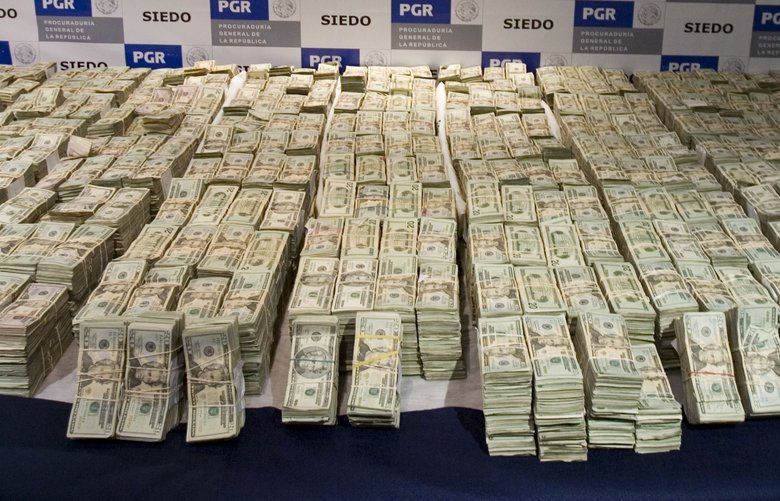
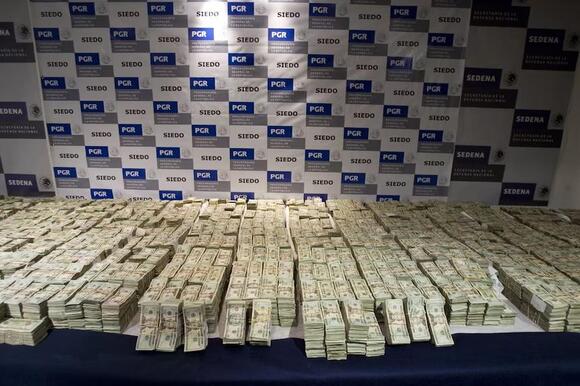
This relentless efficiency generated rivers of physical cash—mostly in U.S. dollars. Transporting multi-ton blocks of physical currency back to Mexico was impractical, creating an immediate need for sophisticated money laundering networks.
Phase Two: Laundering Billions Through the Formal Economy
Generating cash is only half the battle; integrating dirty money into the legitimate financial system without triggering federal investigations is where empires truly succeed or fail. El Chapo built a vast laundering apparatus that spanned multiple continents and industries.
Front Businesses and Real Estate
Video: The Hunt for El Chapo

To legitimize billions in drug proceeds, the cartel invested heavily in front companies and tangible assets. Guzmán purchased a vast portfolio of real estate, including beachfront villas, ranches, and commercial properties across Mexico. These assets were often bought using shell companies or registered under the names of family members and associates.
Exploiting the Financial Sector
Investigators later revealed that the Sinaloa Cartel moved funds through major international financial institutions. By utilizing complex webs of wire transfers, small-scale structuring (depositing cash in amounts just under reporting thresholds), and corrupt bank officials, illicit cash was converted into digital wealth. This money could then be used to bribe politicians, pay off law enforcement, and finance new shipments.
Phase Three: Building the Myth and Brand Equity
Perhaps the most fascinating aspect of Guzmán's empire was his creation of a personal brand. In modern business, brand equity drives customer loyalty and market dominance. In the cartel world, El Chapo cultivated a Robin Hood persona to secure social protection, intimidate rivals, and recruit loyal foot soldiers.
Cultural Penetration and Corridos
El Chapo actively shaped his public image. He funded *narco-corridos*—ballads written by popular Mexican musicians that praised his daring escapes, generosity to the poor, and tactical brilliance. These songs served as organic marketing, turning a violent criminal into a folk hero across rural Mexico.
By embedding himself into local economies, providing jobs, and building schools or clinics in neglected regions, Guzmán bought the ultimate form of brand loyalty: silence and protection from local populations.
The Downfall and Legacy of an Illicit Empire
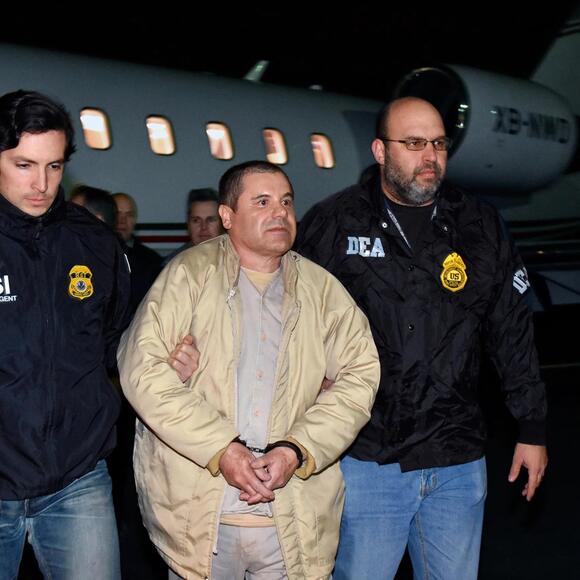
Despite his best efforts to shield his wealth behind shell companies and public relations, the immense scale of his operation eventually drew the combined ire of Mexican and U.S. law enforcement agencies. Following multiple high-profile arrests, escapes, and a final extradition to the United States, Guzmán was sentenced to life imprisonment in a maximum-security federal prison.
In 2019, a federal judge ordered him to forfeit $12.6 billion—an official estimation of the proceeds generated by his enterprise. While the U.S. government successfully dismantled his personal freedom and seized vast amounts of assets, the blueprint he left behind reshaped how modern transnational criminal organizations operate, proving that drugs may be the product, but financial acumen and branding are what sustain a global empire.