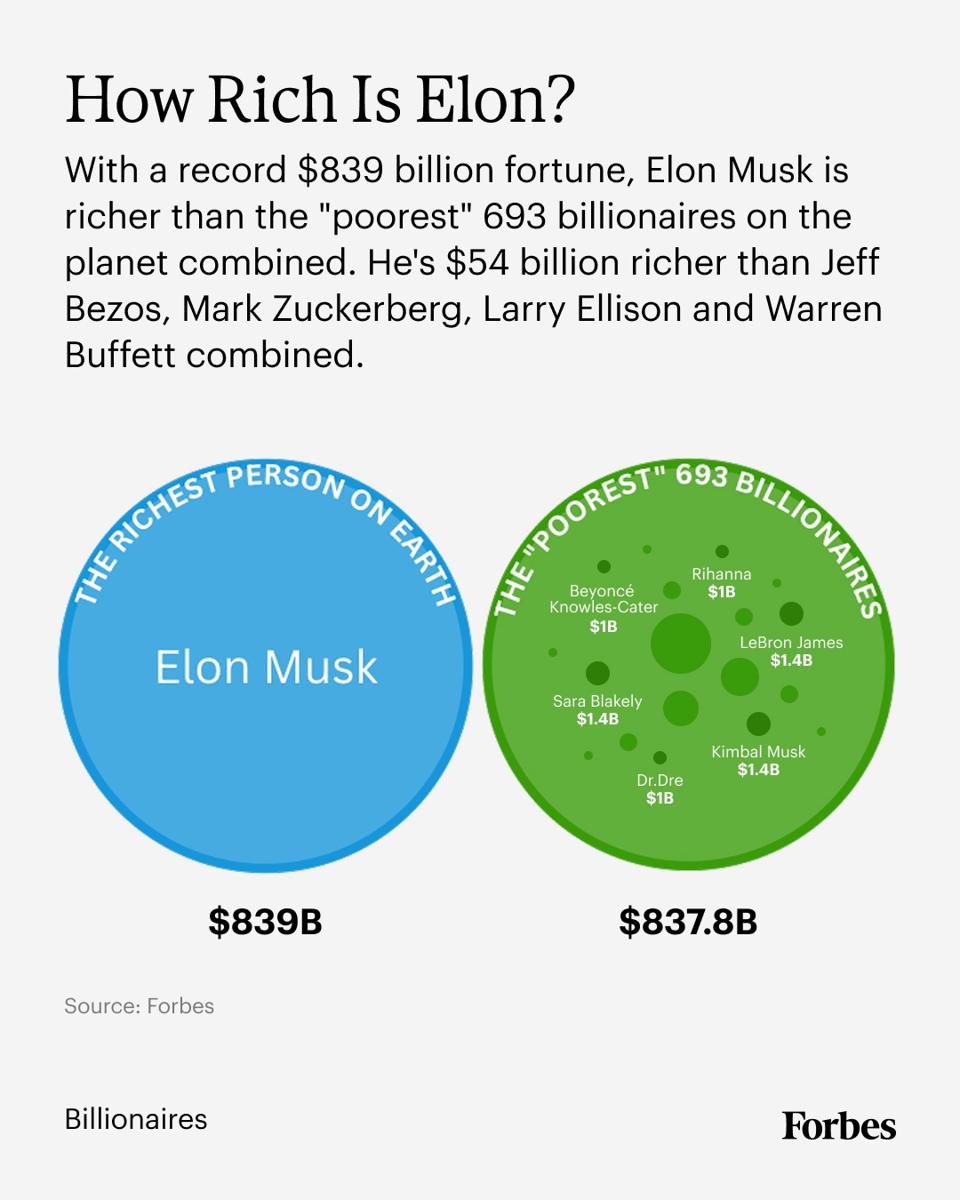
How Forbes Calculates the Billionaire Club
Every spring, the financial world turns its eyes to the annual release of the Forbes World's Billionaires List. Making this elite roster is the ultimate marker of extreme financial success. But behind the headline-grabbing numbers lies a meticulous, often secretive vetting process. Understanding how Forbes calculates the secret to breaking the 1 billionaire club requires looking past the polished press releases into the gritty reality of forensic accounting, valuation modeling, and investigative journalism.

Tracking twelve-figure fortunes is no small feat. Assets are frequently hidden behind shell companies, trusts, and complex cross-border holdings. To separate genuine moguls from exaggerated claims, Forbes employs a dedicated team of reporters and researchers who spend months scrutinizing public filings, interviewing insiders, and valuing tangible and intangible assets.
The Anatomy of a Billion-Dollar Fortune
To understand how a fortune crosses the magical ten-figure threshold, you first have to look at the asset classes that build modern wealth. Forbes does not simply take a subject's word for it; they build comprehensive balance sheets for every candidate.
Valuing Publicly Traded Companies
The easiest fortunes to calculate belong to founders and executives of publicly traded corporations. When a major tech titan or retail magnate owns a massive block of stock, valuing their wealth is essentially a math problem:
- Share count: Researchers verify exact share ownership via SEC filings, proxy statements, and regulatory disclosures.
- Stock price: Forbes uses a specific snapshot date—usually locking in stock prices and exchange rates in early March—to determine the baseline value of these equities.
- Insider restrictions: Adjustments are made for lock-up periods or restricted stock units that cannot be immediately liquidated.
Decoding Privately Held Empires
The real challenge begins when founders own private companies. Without public stock prices, Forbes must estimate value through comparable analysis. Researchers look at publicly traded competitors in the same industry and apply standard valuation metrics—such as price-to-earnings (P/E) or enterprise value-to-revenue ratios—to the private company's estimated revenue and profit.
Beyond Stocks: Real Estate, Art, and Cash
Equities are only part of the equation. To truly grasp how billionaires amass their fortunes, Forbes evaluates a wide array of alternative asset classes.
Real estate holdings require deep investigative work. Reporters scour local property records, mortgage filings, and zoning documents to estimate the square footage and market value of sprawling compounds, commercial skyscrapers, and agricultural land. Liabilities, such as mortgages and construction loans, are deducted from these gross values.
Video: Inside The World of The $16 Trillion Club: 2025 Billionaires Recap | Forbes

Valuing art collections, luxury yachts, private jets, and sports teams requires consulting with industry experts, brokers, and auction houses. If a billionaire owns a major NFL or Premier League franchise, Forbes uses recent comparable team sales to assign a current market valuation, factoring in stadium ownership and broadcast rights.
The Secret Formula: Debt and Liabilities
A common misconception is that a billionaire’s net worth is equal to the total value of everything they own. In reality, net worth is assets minus liabilities. This is where many self-proclaimed wealthy individuals fail to make the cut.
Forbes actively hunts for hidden debt. Ultra-high-net-worth individuals frequently use their stock as collateral for massive margin loans or lines of credit to fund lifestyle expenses or other business ventures. When researchers uncover these pledges, they subtract the borrowed amounts from the total asset value. A person might control assets worth $1.5 billion, but if they carry $600 million in debt against those assets, their actual net worth drops well below the billionaire threshold.
The Verification Process and Human Element
Numbers on a spreadsheet are only valuable if they reflect reality. Once reporters compile a preliminary net worth estimate, the verification process shifts to direct engagement.
Forbes routinely contacts the subjects themselves—or their family offices, chief financial officers, and legal teams—to review the findings. This creates a fascinating cat-and-mouse game. Egomaniacs may attempt to inflate their numbers to boost their social standing, while truly cautious billionaires often downplay their wealth to avoid regulatory scrutiny, kidnapping risks, or public backlash.
Reporters must maintain strict skepticism. If a subject claims ownership of a valuable asset, they must provide verifiable proof. If a claim cannot be substantiated with public or private documentation, Forbes leaves it out of the calculation entirely. Underestimating a fortune is preferred over publishing inflated, unverified figures.
Why the Billionaire Club Keeps Growing
The methodology behind tracking ultra-wealth also reveals broader economic trends. Inflation, central bank policies, technological innovation, and geopolitical shifts directly impact who enters the club and who drops out. As global markets evolve, the baseline definition of extreme wealth shifts upward, making the achievement of hitting that ten-figure milestone both more common and increasingly complex to measure.
Ultimately, breaking into and staying in the elite billionaire club is a moving target. Through rigorous financial sleuthing, strict accounting standards, and a healthy dose of skepticism, Forbes continues to pull back the curtain on how the world's most powerful fortunes are truly built and maintained.