How Gordon Ramsay Arrived at $1 Billion
Few culinary figures in modern history have bridged the gap between elite gastronomic artistry and mainstream commercial dominance quite like Gordon Ramsay. From his beginnings as an injured teenage footballer in Scotland to becoming an international household name, his journey is a masterclass in modern brand monetization. Understanding how Gordon Ramsay arrived at $1 billion: the net worth triumph of a chef! requires examining a diversified empire built on world-class culinary standards, unstoppable television franchises, private equity backing, and shrewd licensing deals.
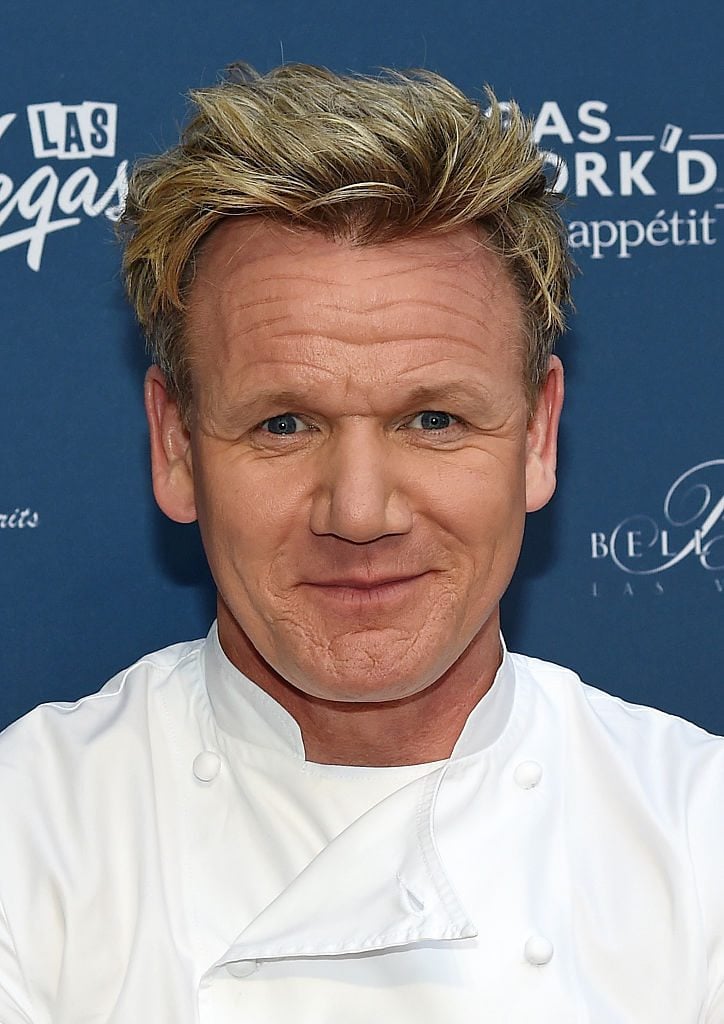
While industry analysts debate the precise cash value of his personal net worth versus the gross enterprise value of his companies, the Gordon Ramsay business ecosystem operates comfortably at the ten-figure mark. Here is the operational breakdown of how a relentless perfectionist turned culinary skill into a billion-dollar commercial powerhouse.
The Michelin Foundation: Establishing Pure Culinary Credibility
Before Gordon Ramsay was shouting catchphrases on prime-time American television, he was enduring grueling 16-hour shifts in some of Europe’s most demanding kitchens. He honed his classical French techniques under legendary mentors like Marco Pierre White, Albert Roux, and Guy Savoy.
In 1998, at the age of 31, Ramsay opened his flagship establishment, Restaurant Gordon Ramsay in Chelsea, London. By 2001, the restaurant achieved three Michelin stars, an accolade it has retained for well over two decades. This foundational achievement was crucial. Without undeniable, world-class culinary credibility, Ramsay would have been dismissed as just another television personality. Instead, his Michelin pedigree gave him an untouchable standard of authority that continues to protect his premium brand pricing across all ventures.
The Television Juggernaut and Studio Ramsay Global
Ramsay’s explosive transition into broadcast media began with British documentaries like Boiling Point (1999). However, it was his partnership with the Fox network in the United States that transformed his financial trajectory from wealthy restaurateur to media titan.
Over two decades, Ramsay developed an unmatched roster of hit television formats:
- Hell’s Kitchen: A staple of prime-time competitive reality TV running for over 20 seasons.
- MasterChef & MasterChef Junior: Global franchises that showcase his range from fierce taskmaster to encouraging mentor.
- Kitchen Nightmares: A high-turnaround rescue format with immense syndication and digital streaming value.
- Next Level Chef: His newest flagship culinary competition, custom-built for modern multi-platform consumption.
Crucially, Ramsay moved away from simply earning talent appearance fees. In 2021, he established Studio Ramsay Global in an enterprise deal with Fox Entertainment. The deal involved Fox acquiring Ramsay’s existing production assets and funding a production studio in which both parties share ownership. This shift from on-screen talent to production owner allowed Ramsay to capture production margins, distribution rights, and international format sales around the globe.
How Gordon Ramsay Arrived at $1 Billion: The Net Worth Triumph of a Chef!
The turning point that elevated Ramsay from a high-earning celebrity chef to a billion-dollar enterprise was the structural scaling of his restaurant portfolio. Historically, high-end restaurants struggle to scale because they rely too heavily on the founder’s physical presence in the kitchen. Ramsay dismantled this operational bottleneck.
In 2019, Ramsay struck a landmark partnership with private equity firm Lion Capital. The deal formed Gordon Ramsay North America, backed by an estimated $100 million investment to open 100 company-owned locations across the United States. Rather than solely licensing his name, Ramsay retained a 50% equity stake in the expansion vehicle.
He created a tiered portfolio that generates high-volume, predictable cash flow:
- Fine Dining: Flagship venues like Restaurant Gordon Ramsay and Pétrus that preserve brand prestige.
- Premium Casual: Concepts like Gordon Ramsay Hell’s Kitchen, which commands massive volume on the Las Vegas Strip and in destination resorts.
- Fast-Casual & Volume Concepts: Gordon Ramsay Burger, Gordon Ramsay Street Pizza, and Gordon Ramsay Fish & Chips, designed for rapid multi-unit rollout in high-traffic airports, casinos, and metropolitan centers.
By pairing high-margin casual dining with institutional private equity, Ramsay engineered a restaurant operation capable of generating hundreds of millions of dollars in recurring annual revenue.

Equity Partnerships and the HexClad Multiplier
A major key to modern wealth creation is choosing equity over endorsement checks, a strategy Ramsay has deployed with precision. Perhaps his most lucrative modern brand partnership is with cookware disruptor HexClad.
Rather than accepting a standard sponsorship fee to promote the hybrid cookware brand, Ramsay took an equity stake in the company in 2021. He integrated the product organically into his television shows, YouTube tutorials, and digital content. As HexClad’s revenues surged past nine figures globally, Ramsay’s equity valuation in the business expanded into tens of millions of dollars in asset wealth.
Similar licensing and merchandising agreements span beyond cookware:
- Best-selling cookbooks published continuously over three decades.
- A dominant social media presence across TikTok and YouTube, yielding high-CPM programmatic advertising.
- Gordon Ramsay Frozen Entrées distributed across thousands of retail grocery stores in North America.
- Gordon Ramsay Academy, monetizing recreational cooking instruction both in-person and online.
Key Business Lessons from the Ramsay Empire
The financial ascent of Gordon Ramsay provides clear strategic takeaways for entrepreneurs and creative professionals in any field:
1. Build Irrefutable Core Competence First
Ramsay spent 15 years mastering culinary craft before building a mainstream media presence. His fiery persona works because it is anchored in undeniable excellence; without three Michelin stars backing up his critiques, the brand would collapse into caricature.
2. Transition from Laborer to Equity Owner
No chef reaches a billion-dollar enterprise valuation by cooking meals individually. Ramsay systematically traded his time for fees, then fees for equity, and finally equity for institutional scale alongside private equity partners.
3. Tier the Brand Portfolio
Ramsay protected his high-end reputation while aggressively monetizing the mass market. An enthusiast might never afford a $300 tasting menu at his flagship Chelsea restaurant, but they can easily spend $25 on a burger in Las Vegas or buy a HexClad pan online. The brand catches consumer dollars at every price tier.
The Verdict on Ramsay's Financial Empire
Gordon Ramsay’s journey to the peak of international business represents the ultimate evolution of the culinary profession. By combining the relentless discipline of classical gastronomy with world-class entertainment value and sharp equity architecture, he fundamentally redefined what a chef can achieve. The billion-dollar triumph is not just a personal financial milestone—it is the blueprint for modern culinary entrepreneurship.