How Heritage Shapes Identity and Modern Culture
When we look at the world around us, history is rarely confined to dusty textbooks. It lives on in the languages we speak, the recipes we cook, the values we hold, and the traditions we pass down from one generation to the next. Understanding How Heritage influences our lives is essential for navigating identity in an increasingly globalized world.

Whether you are deeply connected to a specific ethnic tradition or trying to piece together a fragmented family tree, heritage provides a crucial anchor. This article explores why heritage matters, how it shapes our psychological and social landscapes, and what you can do to preserve your own unique background.
Defining Heritage in the Modern World
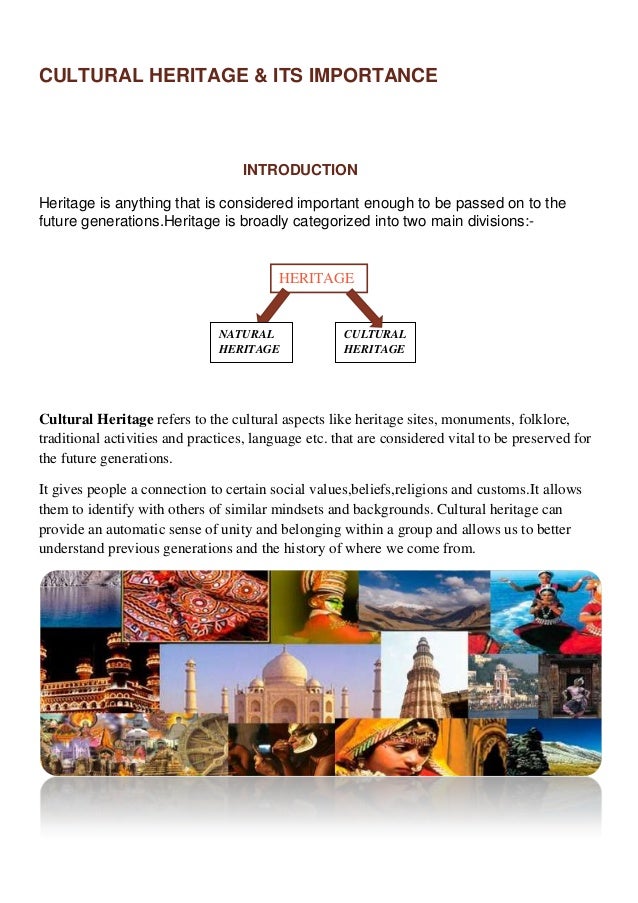
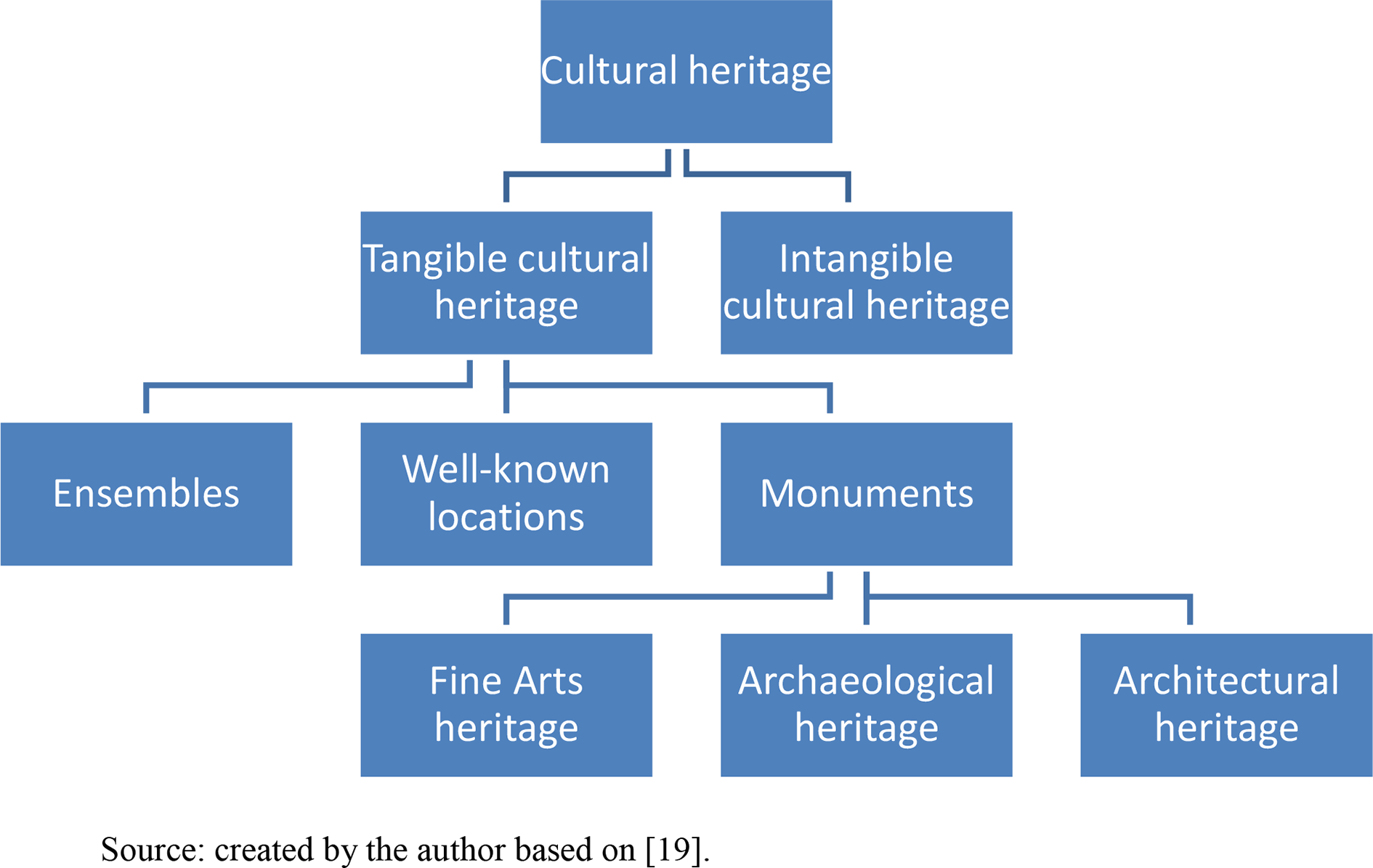
Heritage goes far beyond historical dates and ancestral homelands. Broadly speaking, it is divided into two main categories: tangible and intangible heritage.
- Tangible Heritage: Physical artifacts, historic buildings, monuments, clothing, and landscapes that we can see and touch.
- Intangible Heritage: Oral traditions, performing arts, social practices, festive events, knowledge systems, and culinary arts.
In the modern era, heritage is dynamic rather than static. It evolves as cultures intersect, migrate, and adapt to new technologies. However, the core function of heritage remains the same: it tells us where we come from and offers a framework for understanding who we are.
How Heritage Shapes Personal Identity
Psychologists and sociologists frequently study the connection between cultural heritage and personal well-being. Knowing your family's story and participating in cultural traditions can profoundly impact mental health and self-esteem.
The Intergenerational Narrative
Research into family storytelling shows that children and young adults who know a broad narrative about their ancestors—including both triumphs and hardships—tend to exhibit higher levels of emotional resilience. This phenomenon, often called the "intergenerational self," helps individuals realize they are part of a larger, enduring story.
Video: World Heritage explained - animated short about the UNESCO World Heritage Convention (English)
Sense of Belonging
In a world where many people feel isolated or transient, cultural heritage offers a ready-made community. Shared rituals, holidays, and beliefs create immediate bonds between people, fostering a deep sense of belonging and mutual support that transcends geographic borders.
The Impact of Heritage on Global Culture
Heritage is not just an individual pursuit; it is a global asset. Cultural exchange and preservation enrich society by introducing diverse perspectives, art forms, and problem-solving methods.
- Culinary Diversity: Global food culture thrives on heritage recipes, blending traditional ingredients with modern techniques.
- Architectural Preservation: Historic preservation keeps ancient engineering and artistic triumphs alive for future generations to study and admire.
- Traditional Knowledge: Indigenous heritage often includes sustainable farming, ecological management, and medicinal practices that modern science increasingly relies upon.
How Heritage Can Be Explored and Preserved
Preserving your heritage requires active effort. Whether you want to document your family lineage or safeguard a local cultural practice, several practical steps can help you get started.
- Interview Older Relatives: Sit down with parents, grandparents, and elderly community members. Record their stories, ask about recipes, and document names, dates, and locations.
- Conduct Genealogical Research: Utilize online archives, census records, and DNA testing to trace your ancestral roots and geographic origins.
- Digitize Old Photographs and Documents: Scan fragile paper records, letters, and photographs to ensure they survive for future generations.
- Participate in Cultural Traditions: Celebrate traditional holidays, learn your ancestral language, or cook traditional dishes to keep the culture alive in your daily routine.
- Support Preservation Organizations: Donate to or volunteer with local historical societies, museums, and cultural preservation funds.
Conclusion
Heritage is a living bridge connecting our past, present, and future. By understanding how heritage shapes our identities and communities, we gain a greater appreciation for the diverse tapestry of human experience. Taking small steps today to record, celebrate, and preserve your history ensures that the wisdom of the past continues to illuminate the path forward.