How Influencers Broke Trust and Sparked a Backlash
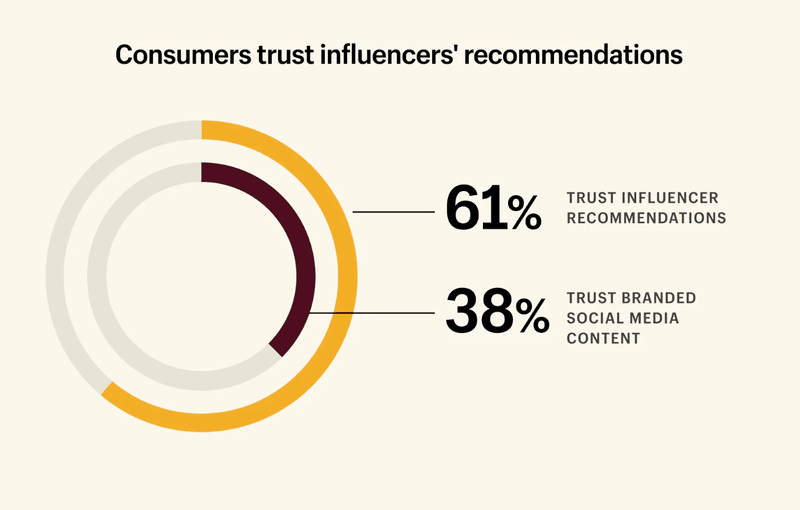
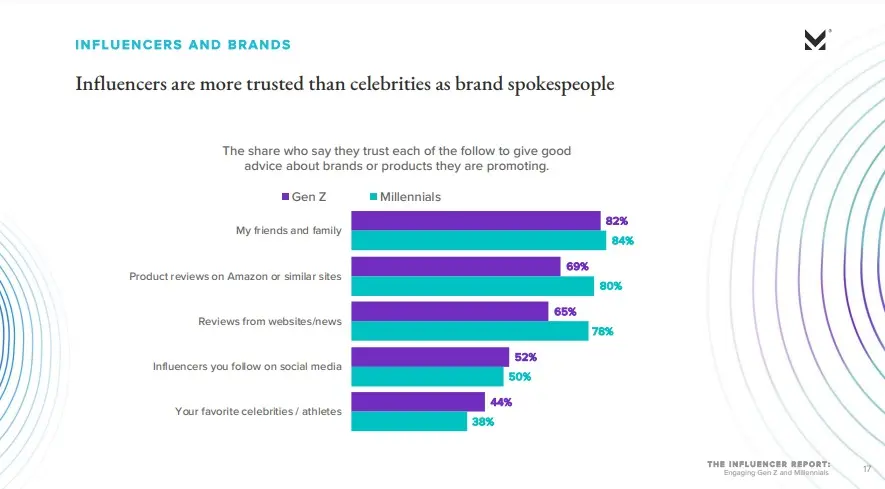
For over a decade, social media influencers promised consumers something traditional advertising never could: authenticity. By trading glossy billboards and scripted commercials for raw bedroom vlogs, unfiltered product reviews, and seemingly genuine lifestyle diaries, creators built an empire of trust. Followers invited these digital personalities into their daily routines, relying on their recommendations for everything from skincare to financial advice.

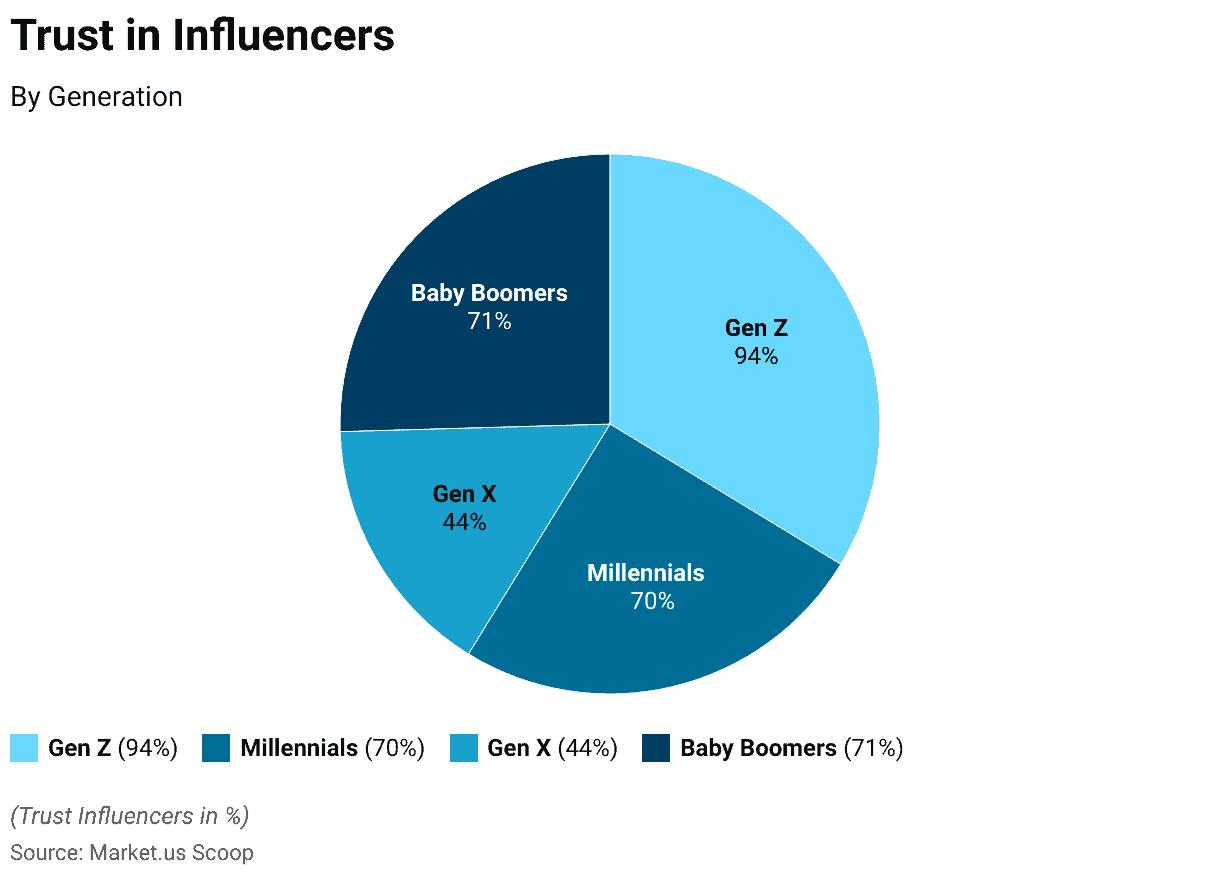
However, that foundational trust has eroded. A relentless wave of over-monetization, deceptive practices, and tone-deaf controversies has fundamentally changed how audiences view online creators. As the illusion of genuine connection faded, viewers pushed back. Understanding how influencers broke trust — and triggered the wild social response—requires examining the missteps that fueled a massive cultural backlash and reshaped the digital landscape.
The Anatomy of Deception: How Influencers Broke Trust
The decay of influencer credibility did not happen overnight. It was a gradual accumulation of commercialization that slowly replaced organic recommendations with high-ticket sales pitches. As the creator economy matured, the line between sharing a favorite product and cashing a massive corporate check blurred beyond recognition.
Undisclosed Sponsorships and Pay-to-Play Reviews
One of the most damaging factors was the casual disregard for advertising disclosures. Followers base their purchasing decisions on the assumption that a recommendation is earned, not bought. When investigative watchdogs and observant fans repeatedly exposed creators promoting products they privately despised—or never even used—the illusion shattered. From sketchy cryptocurrency schemes to miracle diet teas with zero scientific backing, the pursuit of quick payouts routinely trumped audience loyalty.
The Rise of 'De-Influencing'
When consumers realized they were being treated as walking wallets rather than community members, the dynamic shifted. The most direct indicator of this cultural pivot is the rise of the de-influencing trend. Instead of telling followers what to buy, creators and everyday users alike began telling people what *not* to buy.
De-influencing exposed hyper-consumption, criticized overhyped viral products, and debunked misleading marketing claims. It wasn't just about saving money; it was a collective rejection of the relentless consumerism that the influencer ecosystem relied on. By encouraging viewers to buy less and question more, de-influencers directly attacked the core business model of traditional lifestyle content creation.
Video: Why No One Trusts Influencers Anymore

The Wild Social Response: Accountability or Toxicity?
The backlash against perceived inauthenticity went far beyond unfollowing accounts. It triggered a multifaceted, often volatile social response that transformed the internet into a high-stakes accountability courtroom.
- Cancel Culture and Digital Investigations: Armed with screen recordings, old tweets, and public shipping records, internet sleuths began aggressively auditing creators. Minor hypocrisies regularly exploded into massive online boycotts.
- The Parody Economy: Content creators began making viral sketches mocking the archetypal influencer apology video, complete with tearless crying, ukulele background music, and calculated victimhood. This humor weaponized self-awareness against insincere apologies.
- Hyper-Critical Audiences: Comment sections shifted from supportive echo chambers to cynical environments where every background item, brand deal, and lifestyle upgrade is heavily scrutinized for hidden motives.
While much of this social response served as a necessary check on unregulated digital advertising, it also blurred into digital harassment. The line between demanding corporate accountability and participating in vicious online pile-ons often disappeared, proving that public fatigue can easily curdle into toxicity.
The Pivot Toward Radical Transparency
Faced with plunging engagement rates and widespread skepticism, surviving creators have been forced to adapt. The era of the untouchable, hyper-curated lifestyle guru is rapidly giving way to a new archetype: the radically transparent creator.
Audiences today reward imperfection. Creators who openly discuss burnout, clearly label every single sponsored post, and admit when a product review went wrong are regaining ground. Meanwhile, audiences are migrating away from mega-influencers with millions of distant followers and moving toward micro-influencers and niche communities. These smaller spaces foster genuine peer-to-peer connection rather than one-way broadcasting.
Conclusion
The golden age of blind trust in social media personalities is officially over. The journey of how influencers broke trust — and triggered the wild social response serves as a cautionary tale about the limits of commercializing human connection. Ultimately, the backlash forced a necessary correction. In a digital world oversaturated with sales pitches, authenticity is no longer just a marketing buzzword—it is the only currency that truly survives.