How Jerry Jones Built a $14 Billion Empire Using Bold Bets
In February 1989, an Arkansas oilman named Jerry Jones made what many considered a catastrophic financial gamble. He purchased the struggling Dallas Cowboys and the lease to Texas Stadium for $140 million. At the time, the franchise was losing an estimated $1 million per month, the roster was aging, and the team had posted a dismal 3-13 record. Skeptics predicted Jones would be bankrupt within five years. Instead, understanding how Jerry Jones built a $14 billion empire using bold, disruptive business principles provides one of the greatest case studies in modern sports capitalism.
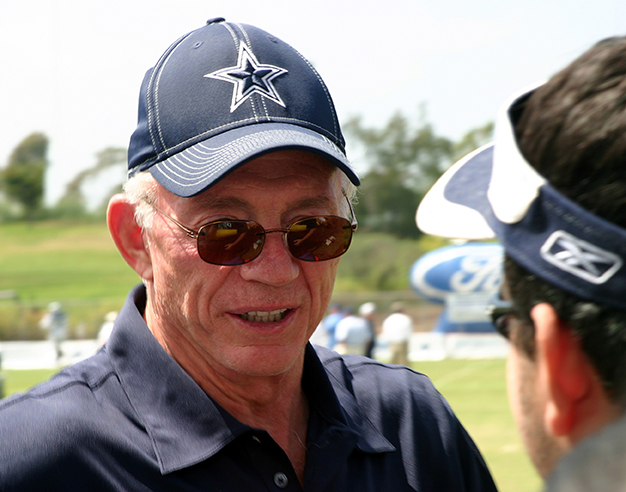
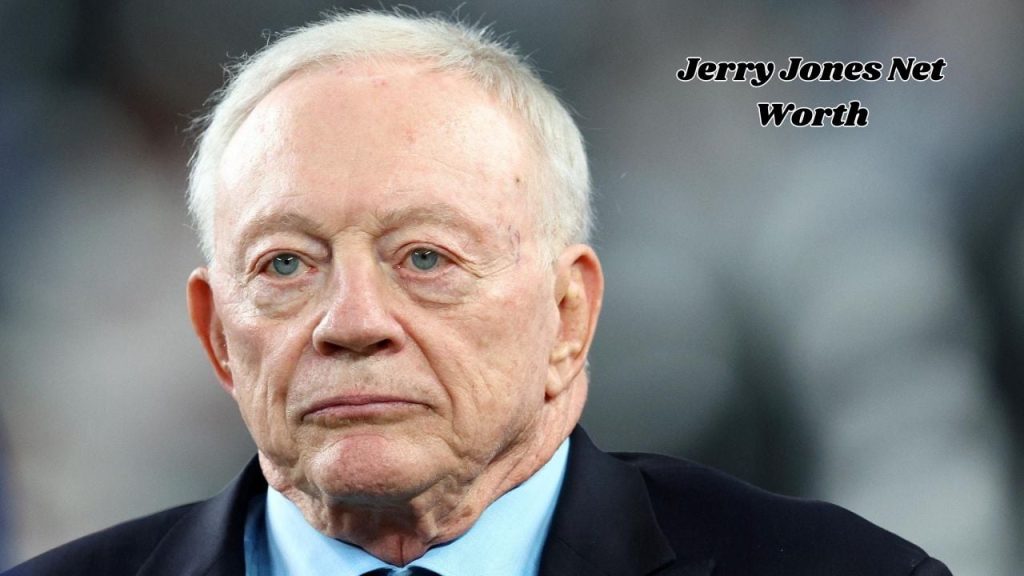
Today, the Dallas Cowboys stand as the most valuable sports franchise on Earth, valued by Forbes at over $10 billion, while Jones' personal net worth exceeds $14 billion. His trajectory from heavily leveraged wildcatter to sports titan did not happen by playing safely within league conventions. It required systemic disruption, relentless branding, high-stakes legal battles, and aggressive diversification.
The 1989 Acquisition: Total Control and High Stakes
Jones didn't just buy a football team; he bought operational vulnerability. To finance the $140 million purchase, he leveraged nearly all of his personal assets, taking on substantial debt during a period when interest rates hovered near double digits.
His first move sent shockwaves through Texas: he fired Tom Landry, the only head coach the Cowboys had ever known and an untouchable icon of American sports. Jones immediately installed his former University of Arkansas teammate, Jimmy Johnson, and declared that he would oversee everything from player personnel to the brand of socks the players wore.
This hands-on management model drew fierce criticism from sports traditionalists. However, Jones understood an essential business reality: when you bear 100% of the financial risk, you cannot outsource the ultimate decision-making. By tying football operations directly to commercial strategy, Jones revitalized the roster, orchestrated the famous Herschel Walker trade, and captured three Super Bowl championships (1992, 1993, 1995) within seven years.
Challenging the Cartel: The Sponsorship Revolution
Winning on the field gave Jones cultural capital, but his true financial breakthrough came when he took on the National Football League's revenue-sharing model. In the early 1990s, NFL Properties pooled and equally distributed all licensing and sponsorship revenues among the franchises. Jones viewed this as socialized mediocrity that penalized top-tier brands.
Defying NFL Properties and Reshaping League Economics
In 1995, Jones executed an audacious end-run around the league:
- The Nike Deal: While the NFL had an exclusive agreement with Reebok, Jones negotiated a landmark $40 million stadium sponsorship directly with Nike CEO Phil Knight to brand Texas Stadium.
- The Pepsi Partnership: The NFL was partnered with Coca-Cola; Jones struck a direct, lucrative pact making Pepsi the official soft drink of Texas Stadium.
- American Express: Defying the league's deal with Visa, Jones welcomed American Express as an official stadium partner.
The NFL responded furiously, filing a $300 million lawsuit against Jones for trademark infringement and breach of trust. Rather than backing down, Jones countersued the league for $750 million, alleging anti-trust violations and unlawful restraint of trade.
Recognizing the legal exposure of its cartel-like structure, the NFL settled in 1996. The agreement fundamentally altered sports business: teams retained the right to sign stadium-specific corporate sponsorships. Jones instantly created an unprecedented flood of unshared local revenue, decoupling the Cowboys' profit potential from the rest of the league.
AT&T Stadium: Designing a Year-Round Entertainment Cathedral
By the mid-2000s, Texas Stadium could no longer support Jones' commercial ambitions. In 2009, he unveiled Cowboys Stadium (now AT&T Stadium) in Arlington, Texas—a $1.2 billion architectural marvel built with a massive center-hung high-definition video board and luxury suites designed to command top-market corporate pricing.
Jones realized that modern stadiums should not sit dark for 350 days a year waiting for eight regular-season football games. He engineered AT&T Stadium into an entertainment engine hosting:

- College football national championships and bowl games
- Major boxing matches, international soccer friendlies, and WWE events
- Massive stadium concert tours for elite global acts
- Year-round paid stadium tours generating millions in pure profit
In 2013, AT&T purchased the naming rights for an estimated $17 million to $19 million annually. Through private seat licenses, elite club hospitality, and unmatched concession pricing, Jones turned his venue into the highest-grossing sports facility in North America.
How Jerry Jones Built a $14 Billion Empire Using Bold Diversification
While the Dallas Cowboys serve as the crown jewel, relying solely on an NFL team does not yield a $14 billion fortune. Jones methodically created ancillary businesses to capture every dollar flowing through his ecosystem.
Merchandising Independence and Legends Hospitality
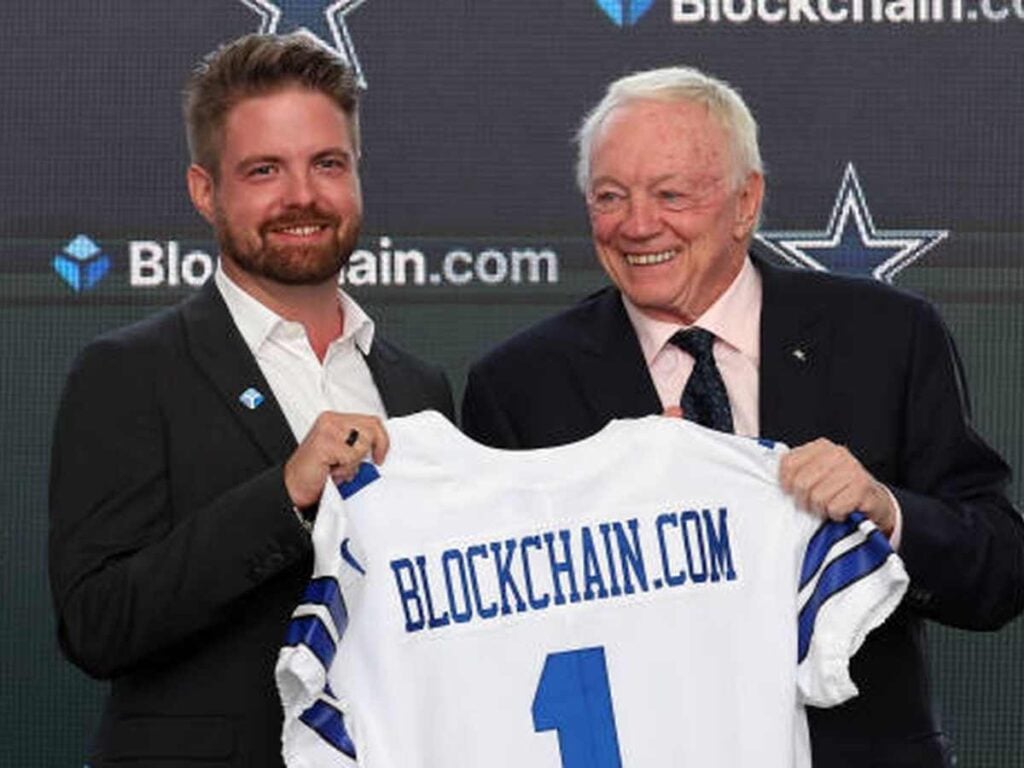
In 2002, Jones made another unilateral move by taking the Cowboys out of the NFL's shared merchandising trust. Today, Dallas remains the only NFL team that manufactures, distributes, and markets its own apparel. Every jersey, hat, and jacket sold goes straight to the Jones family bottom line rather than being split 32 ways.
In 2008, Jones partnered with the New York Yankees and private equity firm Providence Equity Partners to launch Legends Hospitality. Legends handles venue planning, premium ticketing, merchandising, and concessions for elite stadiums across the globe, including SoFi Stadium, Notre Dame, and Real Madrid's Santiago Bernabéu. In 2021, Sixth Street acquired a majority stake in Legends at a valuation exceeding $1.3 billion, creating a massive liquidity windfall for Jones.
Real Estate: The Star in Frisco and Blue Star Land
Jones recognized decades ago that sports facilities drive immense real estate appreciation. Through Blue Star Land, his private development firm, Jones invested heavily in North Texas suburban corridors.
His masterstroke was The Star in Frisco, opened in 2016. Spanning 91 acres, The Star is a public-private partnership between the Cowboys, the City of Frisco, and the local school district. It houses the team's global headquarters, an Omni hotel, medical facilities, luxury residential units, boutique office buildings, and a 12,000-seat indoor stadium shared with local high schools. The Star effectively turned the Dallas Cowboys into a mixed-use commercial real estate powerhouse.
Natural Resources: Comstock Resources
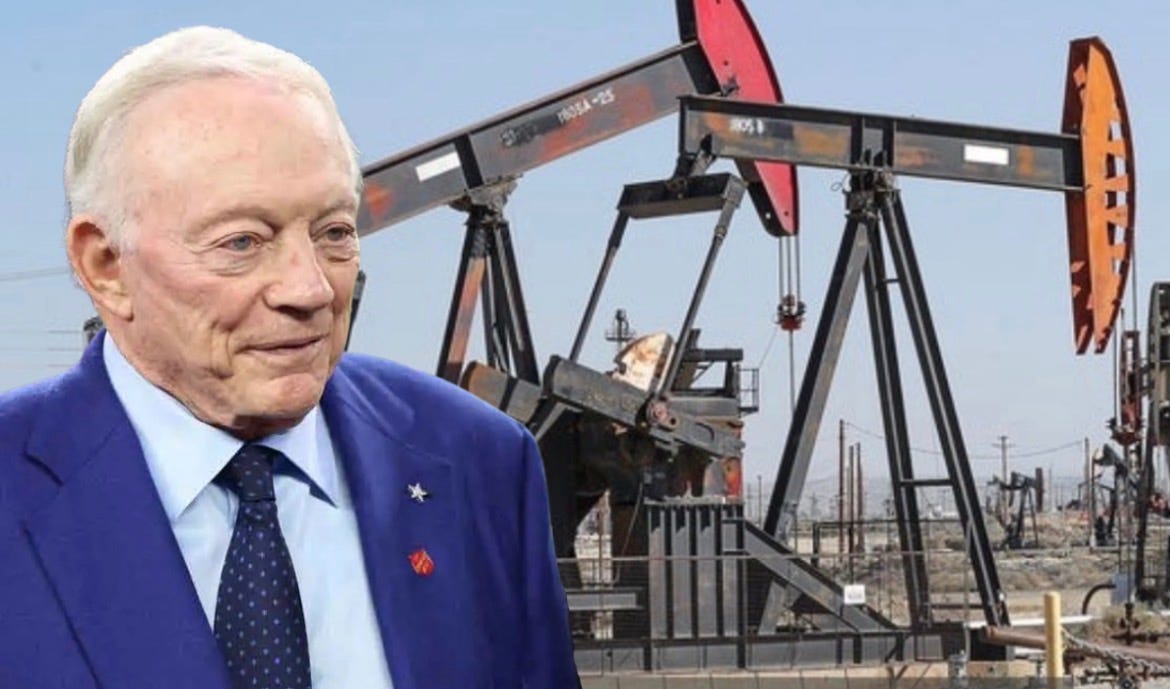
Jones never abandoned his roots in wildcatting. In 2018, he invested hundreds of millions into Comstock Resources, an energy producer focused on the natural gas fields of the Haynesville Shale in East Texas and North Louisiana. By infusing capital during an energy downturn, Jones secured majority ownership, positioning himself for massive dividends as global natural gas demand accelerated.
Key Business Lessons from the Jerry Jones Playbook
Entrepreneurs and corporate leaders can extract several practical strategies from Jones' multi-decade ascent:
- Own the Infrastructure: Instead of merely participating in a platform, control the pipeline. By controlling his stadium, merchandising, and hospitality operations, Jones extracted profit from every touchpoint.
- Disrupt Established Cartels: Outsized returns rarely come from following industry norms. Challenging the NFL on sponsorships required enormous risk, but it broke open lucrative revenue streams previously blocked by convention.
- Brand Loyalty Outlives Performance: Despite not reaching an NFC Championship game since 1995, the Dallas Cowboys remain the most commercially dominant team in sports. Jones built an entertainment and lifestyle brand whose value is insulated from weekly win-loss records.
The Bottom Line
Jerry Jones redefined the economics of professional athletics. By embracing debt when others were timid, battling league brass for commercial independence, and integrating real estate, retail, and energy, he altered the commercial landscape of global sports. What started as an overleveraged acquisition of a bleeding franchise stands today as a generational, $14 billion empire built on unapologetic confidence and calculated disruption.