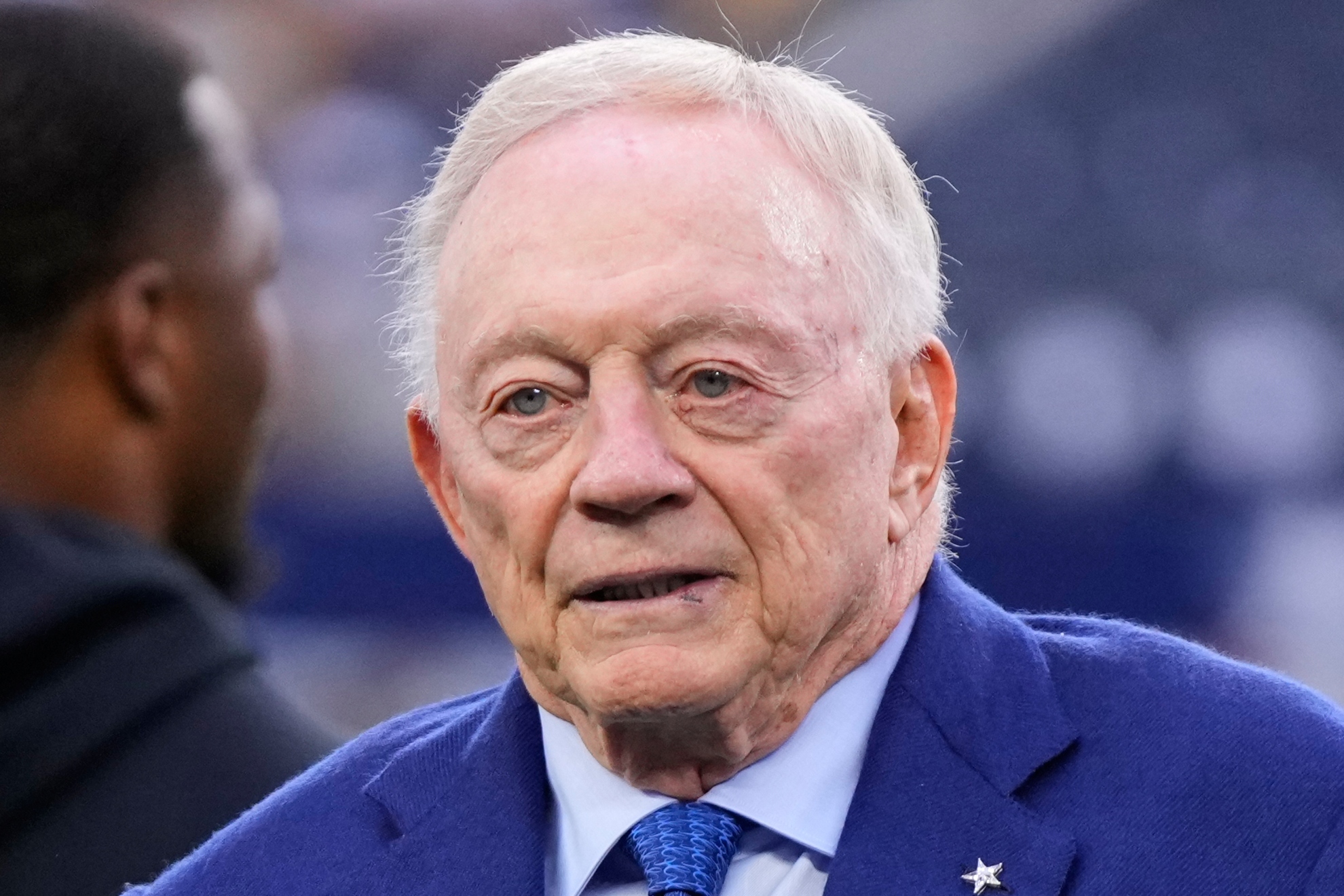
How Jerry Jones Built a $19.2 Billion Net Worth
When Jerry Jones purchased the Dallas Cowboys in 1989 for a staggering $140 million, critics called it one of the worst business decisions in sports history. The team was losing $1 million a month, and the NFL was a very different financial landscape. Fast forward to today, and understanding how Jerry Jones built a $19.2 billion net worth reveals one of the most brilliant business transformations in modern corporate history. Jones didn't just buy a football team; he acquired a masterclass in leverage, brand control, and real estate development.

1. The Power of High-Risk Real Estate Leverage
Long before he owned America's Team, Jones cut his teeth in the oil and gas industry and commercial real estate in Arkansas. He learned early on that conservative investing rarely produces generational wealth. Instead, Jones relied heavily on aggressive debt financing.
When he bought the Cowboys, he leveraged virtually all of his assets and borrowed heavily from the Bank of America. Many business analysts warned that a single economic downturn could wipe him out completely. However, Jones understood a fundamental economic truth: debt, when used to acquire appreciating, cash-flowing assets, is an engine for wealth generation. He applied this exact philosophy to stadium development decades later.
2. Sidestepping the NFL Monopoly on Licensing
One of the most profound financial turning points in Jones’s career happened off the field and out of the public eye. In 1995, Jones did something that enraged traditional NFL executives: he bypassed the league's collective merchandise licensing agreement (NFL Properties) and signed independent sponsorship deals directly with brands like Nike and Pepsi for Texas Stadium.
The league sued him for $300 million; Jones promptly countersued for $750 million, claiming antitrust violations. The resulting settlement allowed Jones to control his own merchandising and stadium sponsorship rights. This single legal and strategic maneuver unlocked tens of millions of dollars in annual revenue that other NFL owners were legally barred from collecting. Today, every modern sports franchise attempts to replicate the independent sponsorship model Jones pioneered.
3. Mastering the Real Estate Ecosystem: AT&T Stadium

The crown jewel of the Cowboys' financial empire is AT&T Stadium (originally Cowboys Stadium). When it opened in 2009, the project cost roughly $1.2 billion—a massive sum at the time. Yet Jones viewed the stadium not as a sports venue, but as a multi-use entertainment and real estate ecosystem.
- Diverse Revenue Streams: Beyond 8 to 10 home football games a year, the stadium hosts major concerts, college football championships, WrestleMania, and corporate conventions 365 days a year.
- Naming Rights and Personal Seat Licenses (PSLs): Jones generated hundreds of millions upfront by selling lucrative personal seat licenses and multi-year naming rights.
- The Star in Frisco: Jones expanded this model by developing 'The Star,' a 91-acre mixed-use entertainment district anchored by the Cowboys' headquarters, generating continuous commercial rental income and hotel revenue.
4. Vertical Integration and Brand Control
Jerry Jones understood vertical integration before it became a tech-industry buzzword. Rather than outsourcing revenue opportunities to third-party vendors, Jones brought them in-house. From stadium catering and hospitality to digital media production via Cowboys-owned platforms, Jones captures a margin at every single level of customer interaction.
By controlling the narrative, the broadcasting studios, and the physical venues, he transformed the Dallas Cowboys from a regional sports franchise into a global media lifestyle brand valued at over $9 billion by Forbes.
Hidden Financial Lessons for Entrepreneurs
You do not need to buy an NFL franchise to apply the strategies that propelled Jerry Jones to a $19.2 billion valuation. His playbook offers timeless lessons for any business owner or investor:
- Own the Infrastructure: Renting is a dead end. Whether it's physical retail space, server architecture, or intellectual property, owning the underlying asset protects your margins and builds long-term equity.
- Challenge Legacy Monopolies: Do not be afraid to disrupt outdated industry norms. Jones challenged the collective bargaining and licensing structures of the most powerful sports league in the world—and won.
- Monetize Attention Year-Round: A seasonal business is inherently limited. Jones turned a four-month football schedule into a 365-day real estate, media, and entertainment machine.
Ultimately, Jerry Jones's incredible net worth is not merely the byproduct of owning a successful sports team. It is the result of relentless risk tolerance, visionary real estate development, and an uncompromising refusal to leave money on the table.