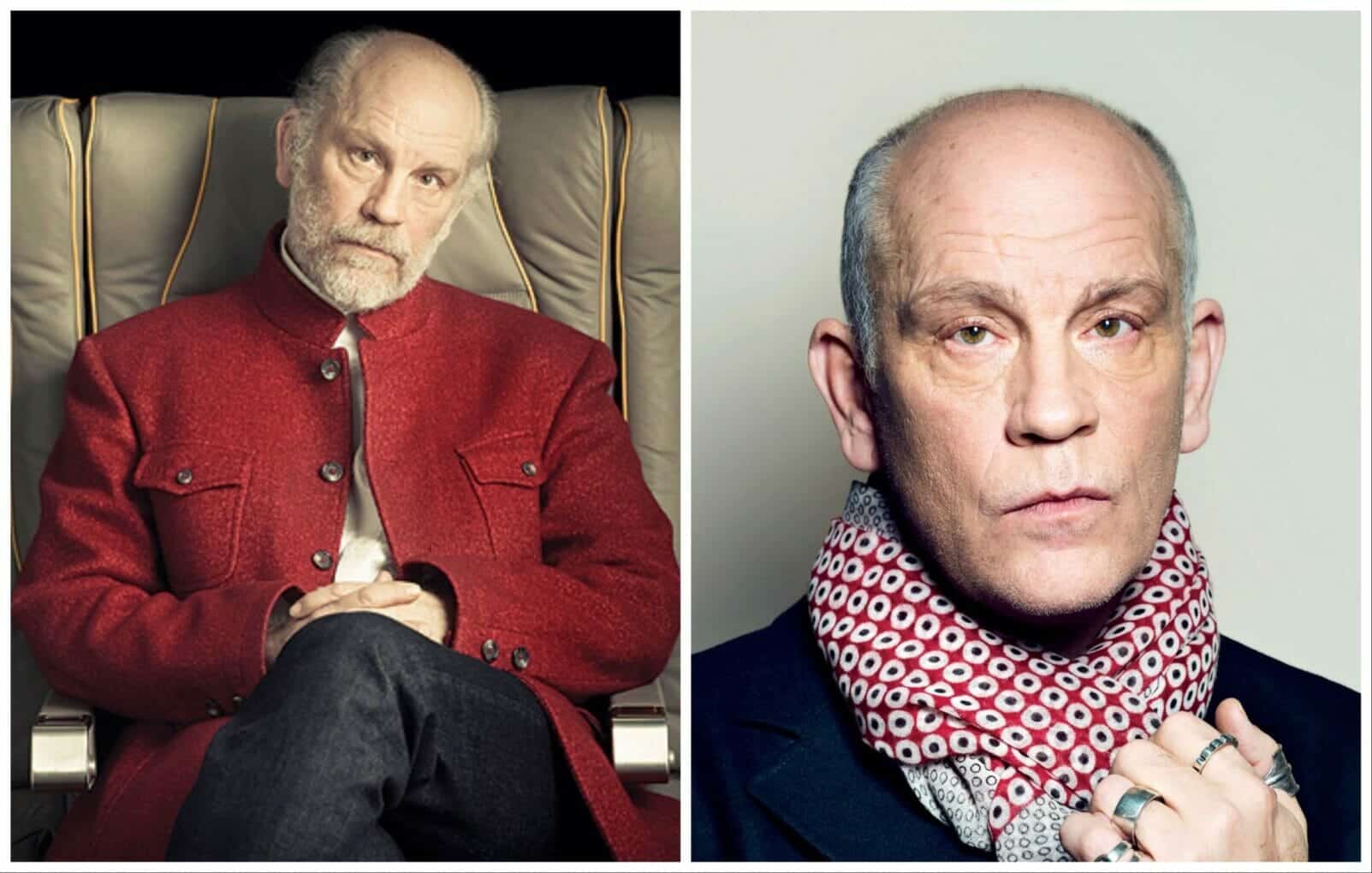
How John Malkovich Built a $50M+ Net Worth
Few careers in modern entertainment match the eccentric brilliance and sheer resilience of John Malkovich. From art-house auteur projects and Shakespearean stage productions to explosive Hollywood blockbusters, his artistic footprint is undeniable. Yet, the story of his wealth is far more dramatic than most realize. Examining how John Malkovich built a $50M+ net worth: Hollywood’s ultimate success story reveals not just a tale of creative genius, but an extraordinary masterclass in financial recovery after catastrophic loss.

Early Roots: Steppenwolf Theatre and Breakout Stardom
Unlike actors who chased quick fame in Los Angeles, Malkovich grounded his career in the demanding world of regional theater. In 1976, he co-founded the legendary Steppenwolf Theatre Company in Chicago alongside Gary Sinise, Terry Kinney, and Jeff Perry. Operating on shoestring budgets, the ensemble focused strictly on visceral, uncompromising performances.
That discipline paid off. By the early 1980s, Malkovich transitioned to New York, winning an Obie Award for Sam Shepard’s True West and later starring opposite Dustin Hoffman in the acclaimed Broadway revival of Death of a Salesman (earning an Emmy for the 1985 television adaptation). His film debut in 1984’s Places in the Heart earned him an Academy Award nomination for Best Supporting Actor, instantly positioning him as one of cinema’s most compelling character actors.
Mainstream Success and Iconic Character Roles
Throughout the late 1980s and 1990s, Malkovich established himself as a versatile powerhouse capable of shifting between highbrow period dramas and commercial spectacles. His box office pull and acting paychecks grew exponentially thanks to a string of landmark titles:
- Dangerous Liaisons (1988): Malkovich’s sinister, magnetic portrayal of the Vicomte de Valmont cemented his global profile.
- In the Line of Fire (1993): Playing a rogue assassin opposite Clint Eastwood netted Malkovich his second Academy Award nomination and established his high-demand status for major studio thrillers.
- Con Air (1997): As Cyrus "The Virus" Grissom, Malkovich anchored a summer blockbuster that grossed over $224 million worldwide, yielding substantial upfront salaries and residual income.
- Being John Malkovich (1999): Playing a satirical version of himself in Spike Jonze’s cult classic secured his position as an avant-garde pop-culture icon.
The 2008 Catastrophe: Losing Everything to Bernie Madoff
By the mid-2000s, Malkovich had accumulated substantial wealth after decades of non-stop work. He invested his life savings with investment manager Bernard Madoff through an intermediary firm. When Madoff’s multibillion-dollar Ponzi scheme collapsed in December 2008, Malkovich was among the high-profile victims who lost nearly everything.
Reports indicated that Malkovich lost his entire liquid fortune, estimated at several million dollars. In subsequent interviews, he reflected candidly on the devastation: he was forced to pivot immediately, rethink his lifestyle, and confront the reality that retirement was no longer an option.
Rather than spiraling into bitterness, Malkovich adopted a remarkably stoic perspective. He recognized that while his bank account had been cleared out, his primary asset—his creative talent and marketability—remained entirely intact.
How John Malkovich Built a $50M+ Net Worth: Hollywood’s Ultimate Success Story
The aftermath of the 2008 crash triggered one of the most prolific work periods in modern acting history. Malkovich did not hide from work; he embraced it aggressively across multiple mediums and international markets, steadily rebuilding an estate now estimated between $45 million and $55 million.

1. High-Volume Film and Television Output
To rebuild his capital, Malkovich significantly increased his output. Over the next decade, he appeared in dozens of feature films, balancing mainstream action comedies like RED (2010) and Transformers: Dark of the Moon (2011) with smaller independent European films. When the Golden Age of prestige streaming arrived, he commanded premium television rates, starring in high-budget productions such as HBO’s The New Pope, Netflix’s Space Force, and Showtime’s Billions.
2. The Lucrative Behind-the-Scenes Producer Role
Acting salaries were only one part of his wealth engine. In 1998, Malkovich co-founded the production company Mr. Mudd with Lianne Halfon and Russell Smith. The boutique banner produced several critically acclaimed and wildly profitable projects, giving Malkovich valuable backend points and producer royalties:
- Ghost World (2001) – A critical darling that became an enduring cult revenue generator.
- Juno (2007) – Made for an estimated $7.5 million, the film grossed over $232 million worldwide, resulting in massive profits for its production partners.
- The Perks of Being a Wallflower (2012) – Another commercial and critical triumph that expanded his producer catalog.
3. Commercial Endorsements and Creative Ventures
Malkovich’s inimitable voice and deadpan delivery have made him a staple for high-end global advertising. From Super Bowl commercials for Squarespace to high-fashion campaigns for Prada and Pirelli, commercial spots provided rapid cash infusions that accelerated his post-Madoff financial recovery.
Additionally, Malkovich indulged his lifelong passion for tailoring by launching his own menswear fashion lines, including "Mrs. Mudd" and "Technobohemian." While fashion is notoriously difficult to monetize, Malkovich approached design as a serious craft rather than a vanity label, elevating his personal brand in the international design community.
Key Financial Lessons from Malkovich’s Rebound
The journey behind John Malkovich's current wealth offers clear, actionable insights for anyone navigating professional or financial adversity:
- Your Primary Skill Is Your Greatest Hedge: When external financial instruments fail, specialized expertise and a strong reputation remain indestructible capital.
- Pragmatism Beats Despair: Malkovich refused to dwell on his losses, immediately focusing on what he could control: showing up on set and delivering high-value work.
- Diversified Income Streams: Relying on one source of income is dangerous. Malkovich compounded his earnings by acting, directing, producing, designing, and licensing his likeness.
Conclusion
John Malkovich’s financial status today is far more than a simple metric of Hollywood fame. It represents a dramatic narrative of recovery, relentless work ethic, and professional adaptability. Having looked financial ruin in the eye in 2008, Malkovich put his head down, leveraged his singular genius, and built an enduring multimillion-dollar legacy that stands as one of the entertainment industry’s most inspiring comeback stories.