How Lighting Transforms Home Spaces & Mood
Light does much more than simply let us see in the dark. It defines the character of a room, dictates how spacious an area feels, and directly influences our daily moods and energy levels. Whether you are moving into a brand-new house or simply looking to refresh your current living space, understanding how lighting works as a design tool is essential for creating a warm, functional, and visually appealing environment.
Many homeowners rely on a single overhead light fixture in the center of a room, but this often creates harsh shadows and a flat, uninspired atmosphere. Achieving a truly professional interior design look requires a layered approach that combines different types of illumination to serve various practical and aesthetic needs.
The Three Essential Layers of Interior Illumination
To design an effective lighting scheme, you must think in layers. Professional designers never rely on just one source of light. Instead, they combine ambient, task, and accent lighting to create depth and versatility in a space.
Ambient Lighting
Ambient lighting serves as the foundation of your room's illumination. Often referred to as general lighting, its primary job is to replace natural daylight and ensure you can safely navigate the space. Common sources of ambient light include:
- Recessed ceiling downlights
- Chandeliers and flush-mount fixtures
- Floor lamps bouncing light off the ceiling
- Natural light pouring through windows
Task Lighting
Task lighting is focused, localized illumination designed to help you perform specific activities, such as reading, cooking, grooming, or working. By reducing eye strain and providing clarity where you need it most, task lighting makes daily routines much easier. Examples include under-cabinet LED strips in a kitchen, a sleek desk lamp in a home office, or vanity lights beside a bathroom mirror.
Accent Lighting
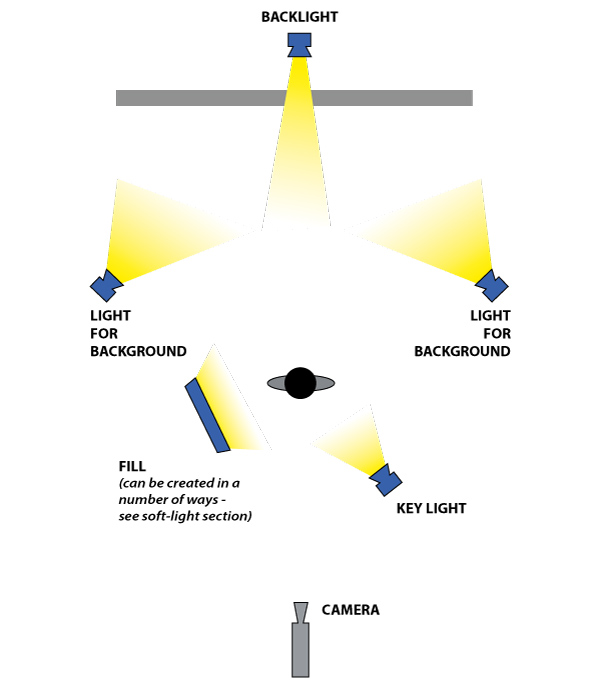
Video: Ultimate Guide to Cinematic Lighting — Types of Light & Gear Explained [Shot List Ep. 12]

Accent lighting is the artistic touch of your lighting design. It is used to draw the eye toward specific focal points, such as a piece of artwork, an architectural feature, bookshelves, or textured accent walls. Spotlights, picture lights, and directional wall sconces are great tools for adding drama and personality to a room.
Understanding Color Temperature
Choosing the right light bulb involves more than just picking a wattage number. Color temperature, measured in Kelvin (K), dictates the visual warmth or coolness of the light emitted by a bulb. Getting this right is crucial for setting the proper mood in your home.
- Warm White (2700K - 3000K): This creates a cozy, inviting, and relaxing glow reminiscent of traditional incandescent bulbs. It is ideal for living rooms, bedrooms, and dining areas.
- Neutral/Cool White (3500K - 4100K): A clean, bright light that promotes focus and clarity. It works best in kitchens, bathrooms, and home offices.
- Daylight (5000K - 6500K): Mimics natural midday sunlight. It is very bright and slightly bluish, making it suitable for garages, utility rooms, or detailed workshop tasks.
Strategic Fixture Placement and Smart Controls
Where you place your fixtures matters just as much as the bulbs you choose. In dining rooms, hanging a pendant or chandelier roughly 30 to 36 inches above the surface of the table ensures even coverage without blocking eye contact. In living areas, placing light sources at different heights—such as a floor lamp in a corner, a table lamp on a side board, and wall sconces—draws the eye around the room and creates a balanced, harmonious feel.
Furthermore, incorporating dimmer switches is one of the most cost-effective ways to upgrade your home illumination. Dimmers allow you to instantly shift a room from bright and energizing during a morning family breakfast to soft and intimate during a quiet evening dinner party. Modern smart home systems take this a step further, enabling you to automate your lights based on the time of day, syncing your indoor environment with your natural circadian rhythm.
Conclusion
Mastering home illumination is a rewarding project that transforms both the look and feel of your living spaces. By combining ambient, task, and accent layers, selecting appropriate color temperatures, and utilizing dimmers, you can create a dynamic environment tailored to every activity. Take a critical look at your current setup today, identify where shadows or glare exist, and start experimenting with better lighting strategies to elevate your home.